Best Photography Spots in Delhi, Agra & Jaipur: Sunrise to Sunset Guide

Photography Spots in the Golden Triangle: Sunrise-to-Sunset Guide

Best Photography Spots in Delhi, Agra & Jaipur: Sunrise to Sunset Guide

Photography Spots in the Golden Triangle: Sunrise-to-Sunset Guide


The Golden Triangle, comprising Delhi, Agra, and Jaipur, is one of the most photogenic travel circuits in the world. Each city offers historic landmarks, vibrant streets, and landscapes that transform dramatically with the changing light of day. For photographers — whether casual travellers capturing memories or professionals seeking postcard-perfect frames — timing is everything.

From the first rays of dawn hitting the Taj Mahal to the golden sunsets over Jaipur’s forts, this region offers countless opportunities. This guide is designed to highlight where and when to capture the most breathtaking shots, while also sharing practical advice on angles, crowd management, and local tips.


Delhi: Photography Spots from Dawn to Dusk

Sunrise Locations

  1. India Gate at Dawn
    • The national monument stands tall against the soft morning light.
    • Early morning ensures fewer crowds and misty backdrops, especially in winter.
  2. Lodhi Gardens
    • A haven of greenery dotted with 15th-century tombs.
    • Morning joggers add life to frames, and the rising sun creates dramatic silhouettes.
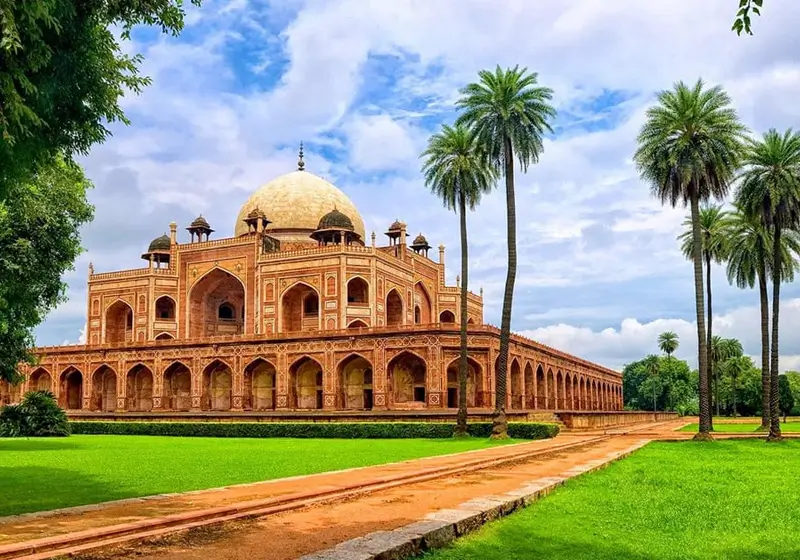
  3. Humayun’s Tomb
    • The symmetry of this Mughal masterpiece glows during sunrise.
    • Arriving early allows shots without tourist crowds.

Daytime Highlights

  • Qutub Minar: Afternoon light captures detailed carvings on sandstone.
  • Chandni Chowk: Narrow lanes full of color, spice shops, and street vendors.
  • Rajpath & Rashtrapati Bhavan: Wide-angle shots during clear daylight.

Sunset Locations

  1. Lotus Temple
    • The marble petals reflect orange hues during sunset.
  2. Jama Masjid Rooftops
    • Panoramic views of Old Delhi as the sun sets behind domes and minarets.
  3. Purana Qila (Old Fort)
    • Less crowded, offering wide landscapes with dramatic skies.

Agra: Capturing the Taj and Beyond

Sunrise Locations

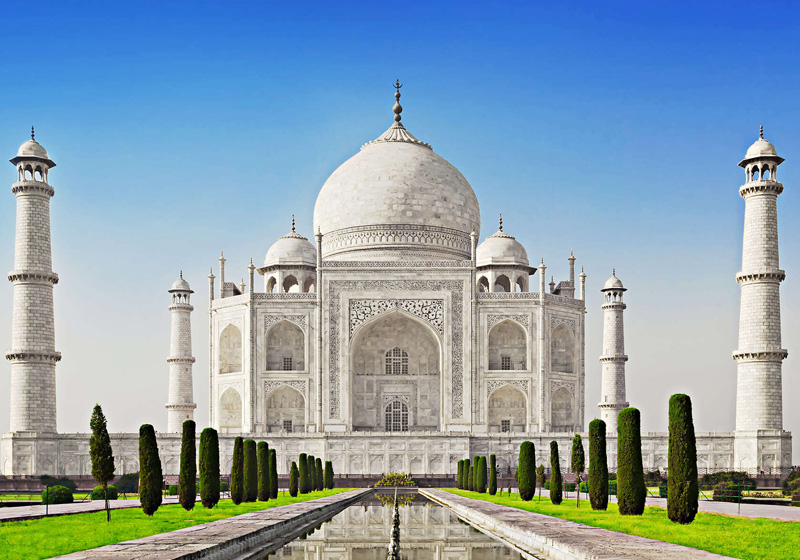
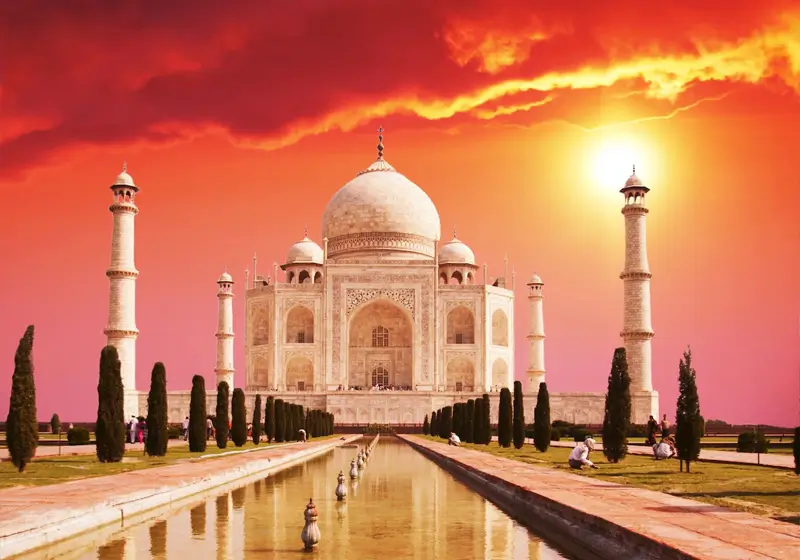
  1. Taj Mahal (East Gate)
    • World-famous for sunrise photography.
    • The marble glows pink and golden as the sun rises behind it.
    • Tripod stands are restricted inside, so plan handheld shots.
  2. Mehtab Bagh (Across the Yamuna)
    • Offers symmetrical reflections of the Taj during dawn.
    • Ideal for wide landscapes with the monument in soft light.

Daytime Highlights

  • Agra Fort: Detailed shots of Mughal architecture with red sandstone glow.
  • Kinari Bazaar: Lively street photography of jewelers, spice sellers, and artisans.
  • Itimad-ud-Daulah (Baby Taj): Intricate carvings look striking in midday sun.

Sunset Locations

  1. Taj Mahal from Yamuna River Banks
    • Boats on the river make foregrounds more artistic.
  2. Fatehpur Sikri
    • The abandoned Mughal city has fewer crowds at dusk.
    • Buland Darwaza against the orange sky creates powerful frames.

Jaipur: The Pink City in Every Light

Sunrise Locations

  1. Hawa Mahal Facade
    • Early light on the honeycomb windows offers stunning textures.
    • Streets are quiet in the morning, allowing clean shots.
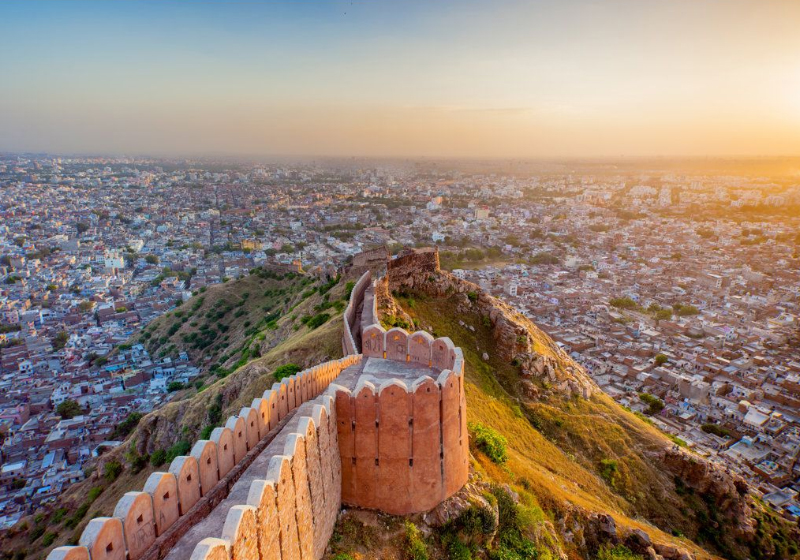
  2. Nahargarh Fort
    • Overlooks the entire city. Sunrise brings golden hues over Jaipur’s skyline.
  3. Jal Mahal (Water Palace)
    • Misty mornings create mirror-like reflections in Man Sagar Lake.

Daytime Highlights

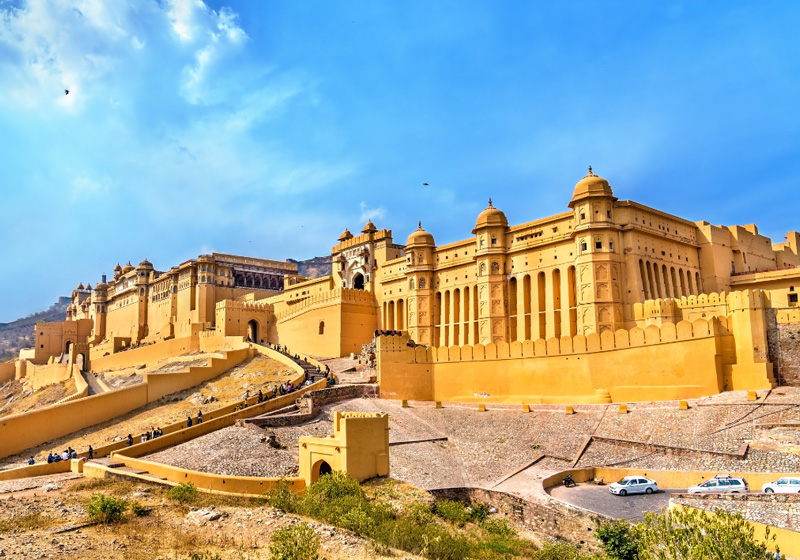
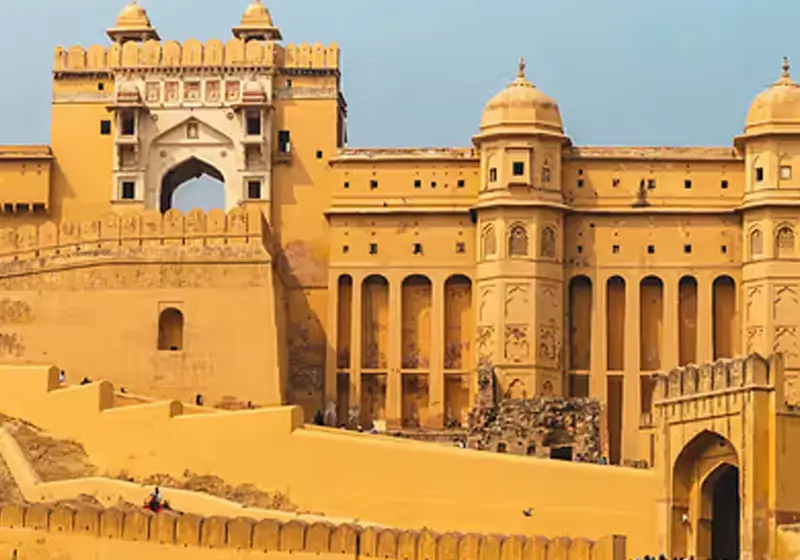
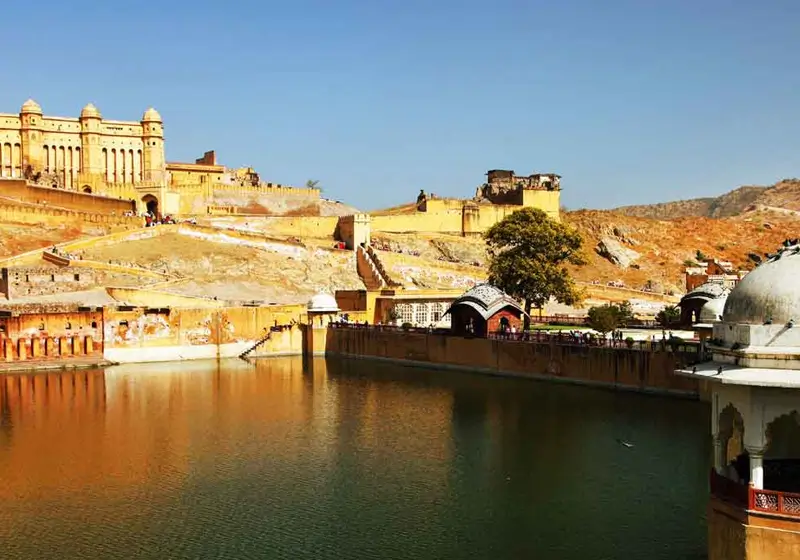
  • Amber Fort: Capture courtyards, mirror work halls, and ramparts during daylight.
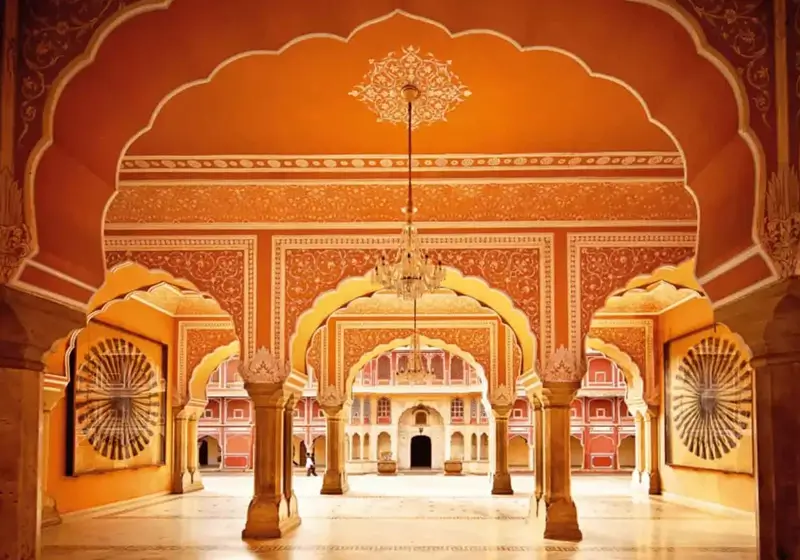
  • City Palace: Bright courtyards and the iconic Peacock Gate glow in natural light.
  • Bapu Bazaar & Johari Bazaar: Ideal for street and cultural photography.

Sunset Locations

  1. Jaigarh Fort
    • Panoramic views of Aravalli hills with fiery sunsets.
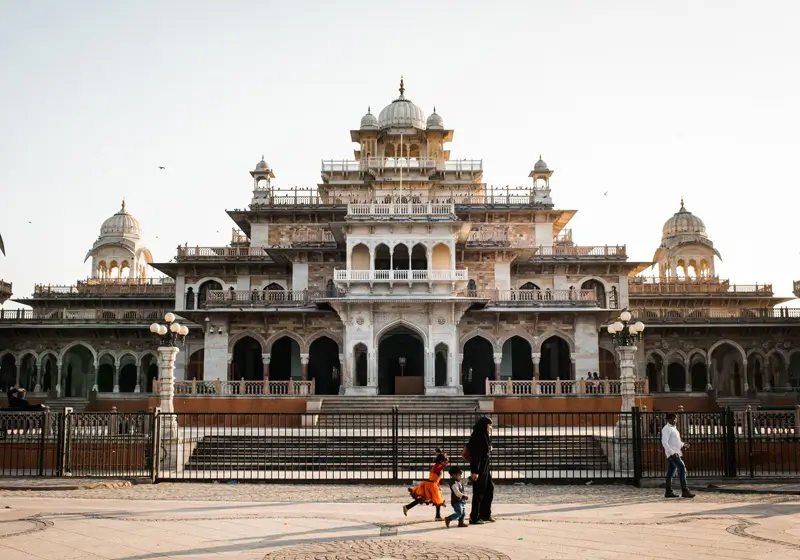
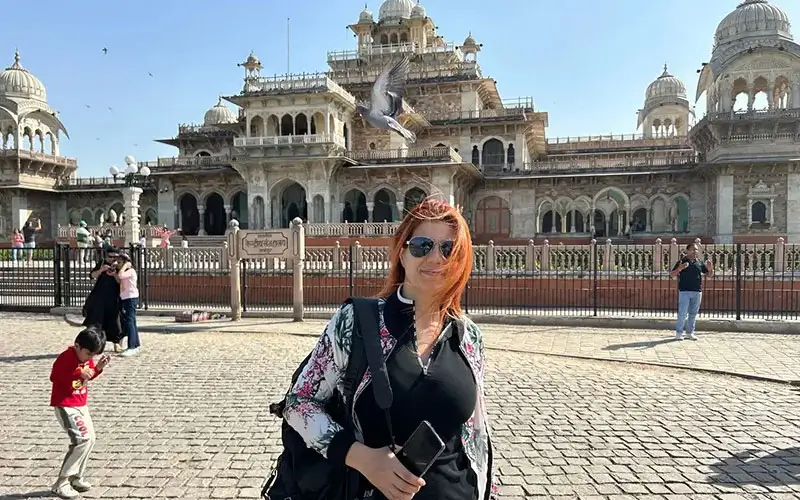
  2. Albert Hall Museum
    • Evening lighting adds drama to the Indo-Saracenic architecture.
  3. Chokhi Dhani (Cultural Village): Perfect for vibrant evening cultural shots with folk performances.

Practical Tips for Photography in the Golden Triangle

  • Arrive Early: Monuments like the Taj Mahal and Hawa Mahal get crowded quickly. Early arrivals mean cleaner shots.
  • Respect Rules: Tripods and drones are restricted at many sites. Carry lightweight equipment.
  • Local Interaction: Request permission before photographing people, especially in bazaars.
  • Golden Hour Advantage: The first hour after sunrise and the last before sunset produce the richest colors.
  • Seasonal Notes: Winters (Oct–Feb) give clear skies; summers add dramatic golden hues.

Book a tour with us

We are delighted that you reached here.
Please share your queries with us regarding the booking tour with us.


Faq's

Is tripod use allowed in Delhi, Agra, and Jaipur monuments?

Most sites restrict tripods inside; handheld or small stabilizers are recommended.

Can I use drones for photography in the Golden Triangle?

Drones are banned around monuments like Taj Mahal and forts. Special permission is needed.

What is the best season for photography in this circuit?

October to March for clear skies and pleasant weather.

Which city is the most photogenic in the Golden Triangle?

Agra for iconic Taj Mahal shots, Jaipur for vibrant colors, Delhi for variety.

Do I need separate tickets for sunrise at Taj Mahal?

No, the same ticket applies. Just arrive before opening hours.

What lenses work best for Golden Triangle photography?

Wide-angle for monuments, 50mm prime for portraits, and telephoto for details.

Can I photograph locals in bazaars?

Yes, but always ask politely. Many artisans are happy to pose.

Which rooftop cafés are good for photography in Jaipur?

Cafés near Hawa Mahal and Nahargarh have excellent vantage points.

Is street photography safe in Delhi markets?

Yes, but keep your gear close. Use crossbody straps and avoid flashing expensive equipment openly.

Are sunrise photos at Taj Mahal really worth it?

Yes, early light creates unique pink and golden tones impossible to capture later.

How can solo travellers manage photography gear?

Carry lightweight setups, use small backpacks, and avoid carrying multiple large lenses.

What time does the light look best on Jaipur’s Hawa Mahal?

Between 7–9 am, when the sun directly illuminates the pink sandstone facade.