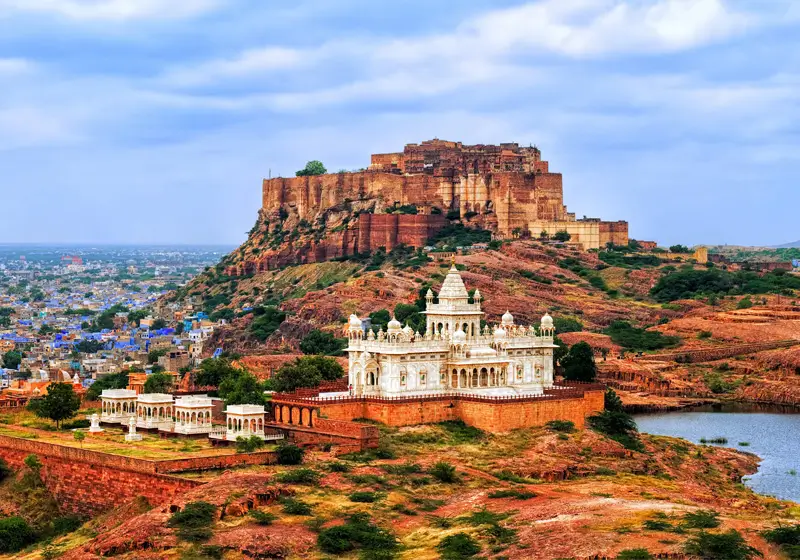
Rajasthan is usually imagined as a land of forts, deserts and sunlit landscapes, but summer travel here is more nuanced than it appears at first glance. While daytime temperatures can rise, the experience of traveling through Rajasthan depends largely on how the journey is planned. The right combination of destinations, timing and accommodations can transform a summer trip into something comfortable, immersive and surprisingly rewarding.
Unlike peak winter months when cities are crowded, summer brings a quieter side of Rajasthan. Monuments feel less rushed, hotels offer better availability, and destinations can be explored at a more relaxed pace. For travelers who understand how to structure their days and choose locations wisely, Rajasthan in summer opens up a different kind of travel experience—one that is less about rushing through attractions and more about curated moments.
This guide covers the best places to visit in Rajasthan in summer vacation, along with practical insights that help you plan a well-balanced itinerary.
Mount Abu remains the most comfortable destination in Rajasthan during summer. Situated in the Aravalli range, it offers a noticeable drop in temperature compared to the plains. This difference makes it a natural choice for travelers who want to experience Rajasthan without dealing with intense heat throughout the day.
The town is known for its greenery, shaded pathways and relaxed pace. Unlike the structured sightseeing of other cities, Mount Abu encourages slower exploration. Nakki Lake becomes an important part of the experience, especially during evenings when the surroundings feel calm and open. Boating here, combined with sunset views, creates a setting that feels very different from Rajasthan’s desert image.
The Dilwara Temples stand out for their intricate marble work and peaceful atmosphere. Visiting these temples early in the morning allows you to appreciate the craftsmanship without crowds. Sunset Point and Guru Shikhar are also worth including, particularly for panoramic views and cooler breezes.
Mount Abu works best when the itinerary is not rushed. Two nights allow enough time to explore comfortably, take breaks during warmer hours and enjoy the natural setting without feeling hurried.
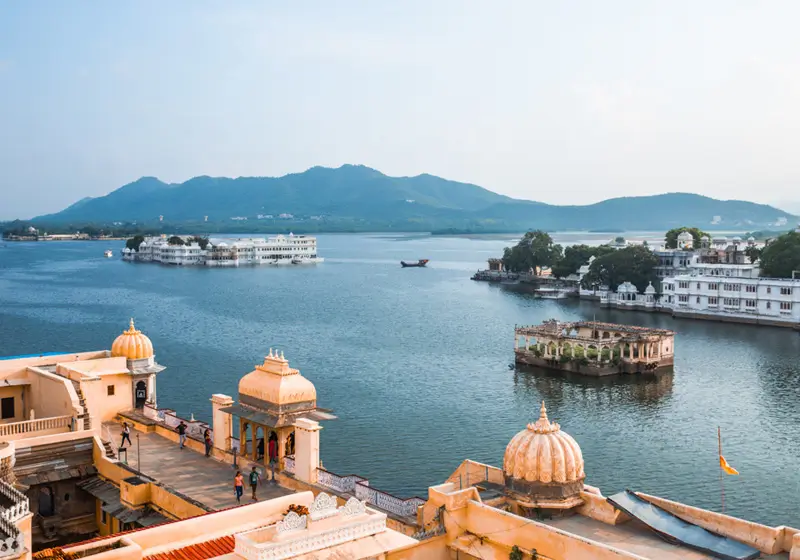
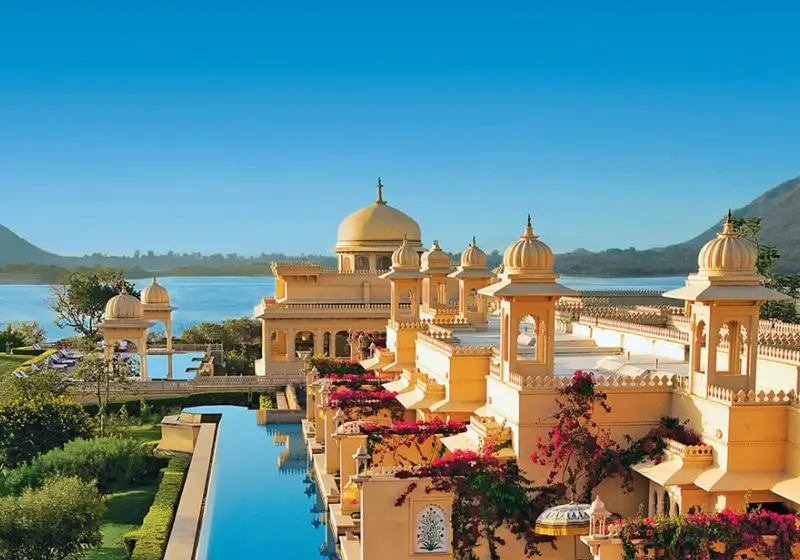
Udaipur continues to attract visitors throughout the year, and summer does not take away from its appeal if approached correctly. The presence of lakes plays an important role in moderating the experience, while heritage hotels are designed to provide comfort even during warmer months.
The City Palace is the centerpiece of Udaipur, offering both architectural depth and elevated views of Lake Pichola. Exploring it in the early morning helps avoid both heat and crowds. Jagdish Temple, located nearby, can be visited as part of the same route.
Lake Pichola defines the city’s rhythm. A sunset boat ride here changes the entire perspective of Udaipur. As the light softens, the lake reflects the surrounding palaces and hills, creating a setting that feels calm and visually balanced. Jag Mandir and Lake Palace add to this experience, even if viewed from the water.
Saheliyon Ki Bari and local markets provide lighter, less demanding experiences that can be included during cooler parts of the day. Many travelers prefer to spend afternoons at their hotel, especially if staying in lake-facing or heritage properties, before stepping out again in the evening.
Udaipur is one of the few places in Rajasthan where summer travel feels structured rather than restrictive, as long as the day is planned around temperature changes.
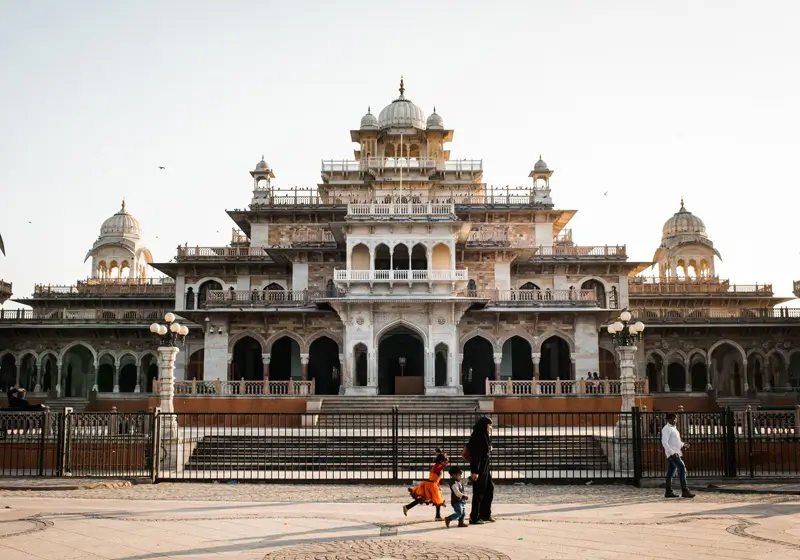
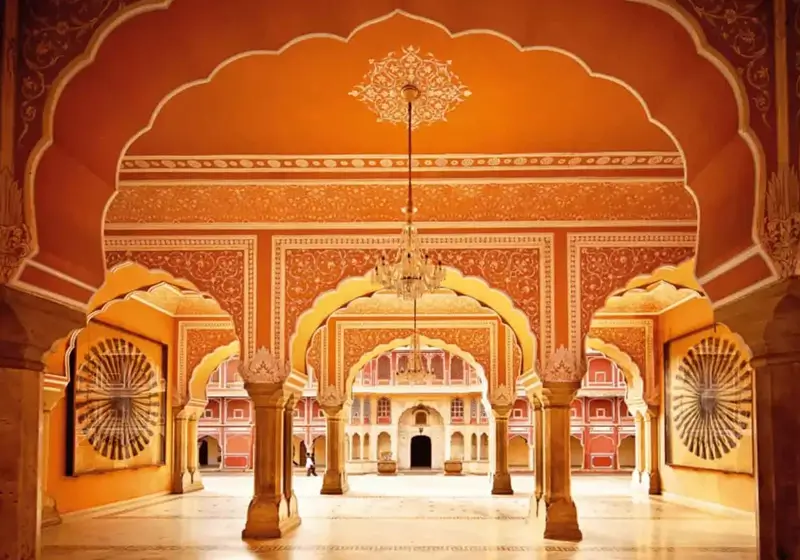
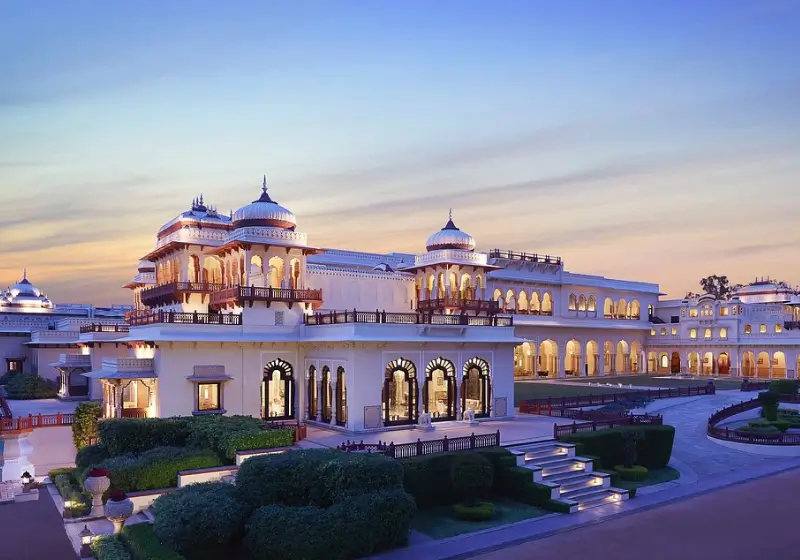
Jaipur continues to remain a key destination in Rajasthan, even during the summer months, provided the day is structured thoughtfully. The city offers a mix of grand architecture, shaded courtyards, museums and vibrant local areas, which makes it easier to balance outdoor exploration with indoor comfort.
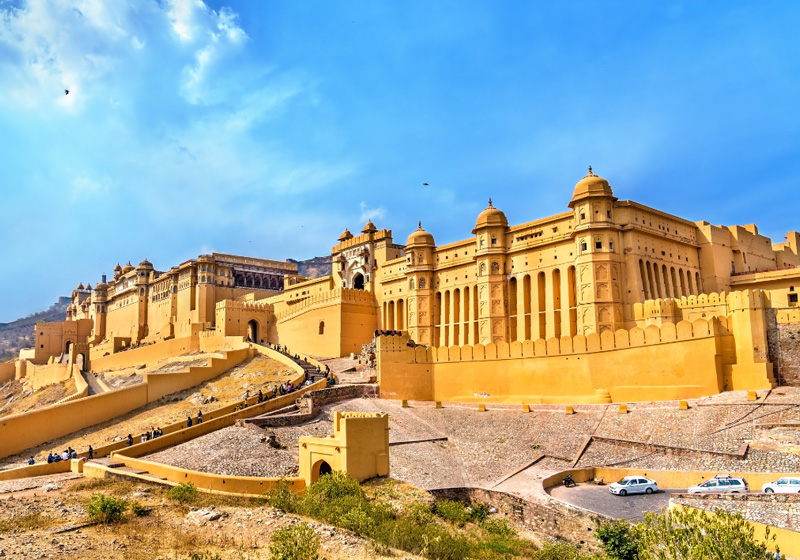
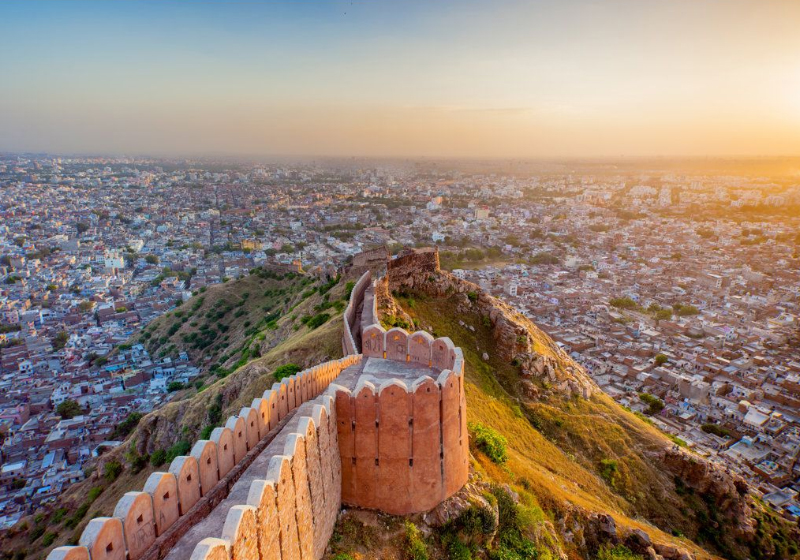
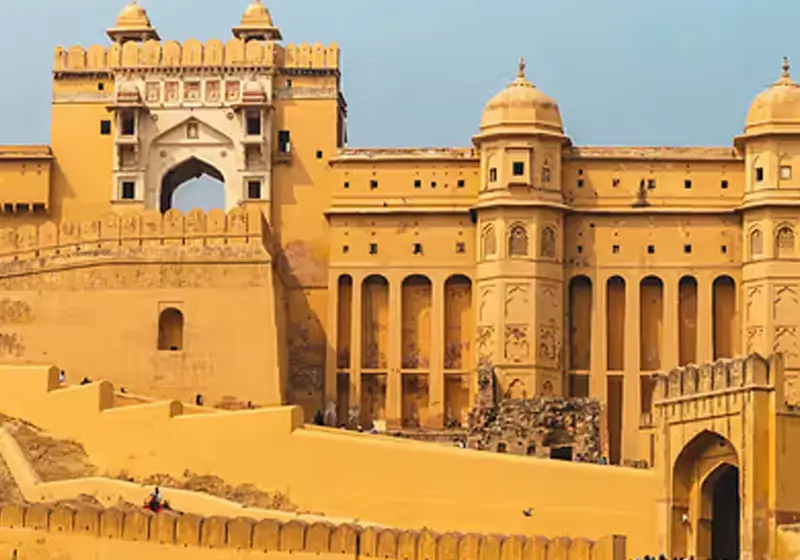
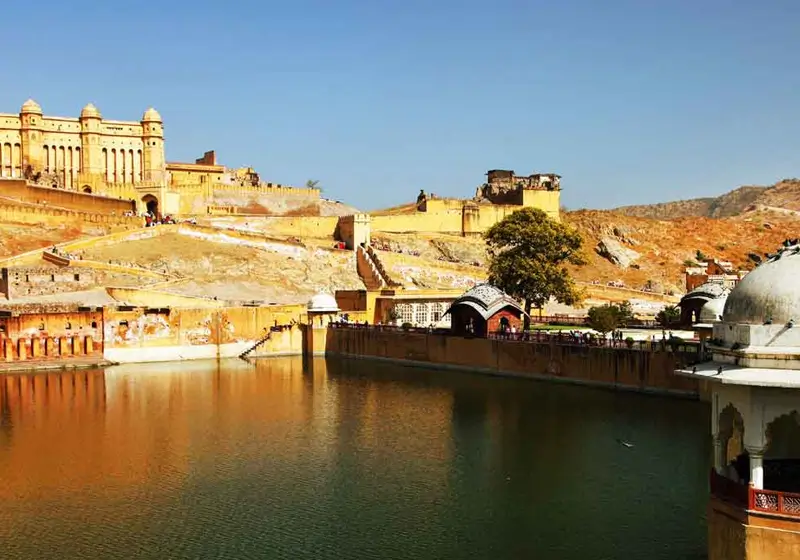
Starting early in the morning makes a noticeable difference. Amber Fort is best experienced during the first half of the day, when the pathways, courtyards and viewpoints are still relatively cool and easy to explore. The fort’s design naturally combines open spaces with covered sections, allowing visitors to move comfortably while still enjoying panoramic views of the surrounding hills.
From here, the itinerary flows smoothly towards the City Palace and Jantar Mantar. Both attractions offer a well-paced experience, where indoor galleries, shaded areas and structured layouts help avoid constant exposure to the sun. The Hawa Mahal can be included as a short stop, either for photography from the outside or a brief visit inside, without adding much strain to the schedule.
As the day progresses, it is practical to slow down and resume exploration in the evening. Markets such as Johari Bazaar and Bapu Bazaar come alive after sunset, offering a more relaxed environment for walking, shopping and observing local life. This is also the ideal time to experience Jaipur’s dining scene, where rooftop restaurants and open-air spaces provide a comfortable setting along with views of the city’s illuminated landmarks.
Jaipur works particularly well for travelers who prefer a structured yet flexible approach—combining cultural sightseeing with moments of rest. When planned around temperature patterns rather than fixed timings, the city remains an engaging and manageable destination even during the warmer season.
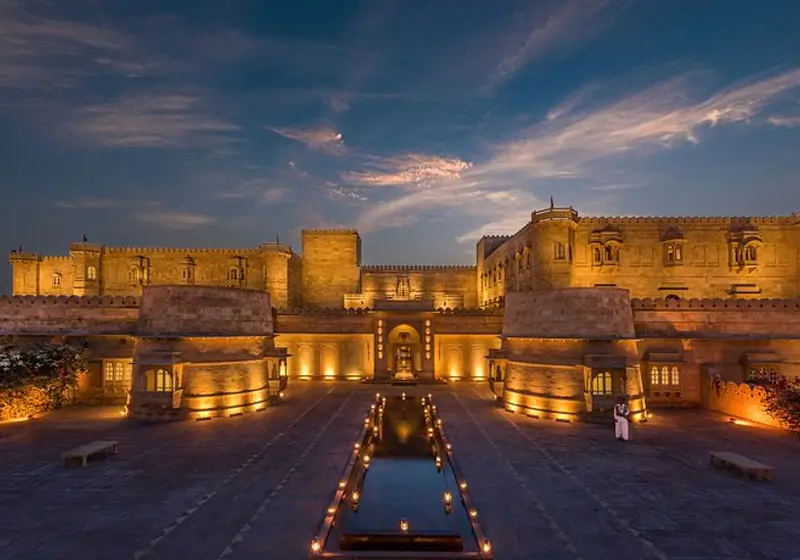
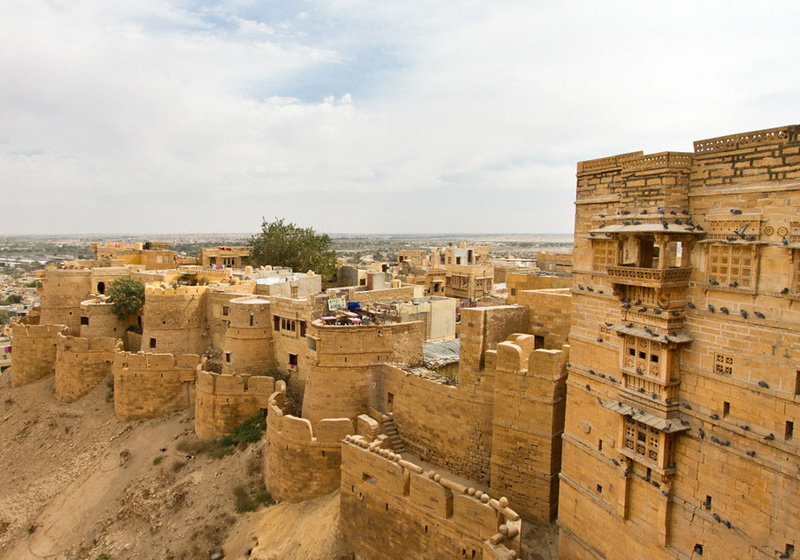
Jaisalmer represents Rajasthan’s desert identity, and while summer temperatures can be high, the experience can still be enjoyable with the right planning. The key here is not to treat it as a full-day sightseeing destination, but rather as a place where evenings define the journey.
Jaisalmer Fort is best visited early in the morning. Walking through its narrow lanes, temples and viewpoints becomes easier before the heat builds up. Patwon Ki Haveli and other historic structures can be included in the same time window.
The real highlight, however, lies in the desert experience. Most travelers head to Sam Sand Dunes or nearby areas in the late afternoon. As the sun lowers, the desert becomes more comfortable, and activities like camel rides, jeep safaris and cultural performances begin.
Overnight desert camps have evolved significantly, offering well-managed setups with proper bedding, dining arrangements and entertainment. This transforms what could be a challenging environment into a curated experience.
Jaisalmer requires a shift in travel mindset—focusing less on daytime movement and more on evening immersion.
Ranthambore offers a completely different dimension to Rajasthan travel. Unlike cities, the focus here is on wildlife and natural surroundings. Interestingly, summer increases the chances of spotting animals, especially near water sources.
Safari schedules are designed around temperature patterns. Early morning safaris start before sunrise, while afternoon safaris take place later in the day when conditions improve. These timings help avoid peak heat while maximizing visibility.
The experience itself is unpredictable, which is part of its appeal. While tiger sightings are never guaranteed, the dry conditions often bring animals closer to accessible areas.
Accommodation in Ranthambore ranges from comfortable lodges to high-end jungle resorts. Many of these properties are designed to provide a relaxed environment between safaris, allowing travelers to rest and prepare for the next outing.
Ranthambore works best when included as part of a broader itinerary, adding variation to an otherwise cultural journey.
Pushkar offers a quieter contrast to Rajasthan’s larger cities. During summer, the reduced number of visitors makes the town feel more open and accessible.
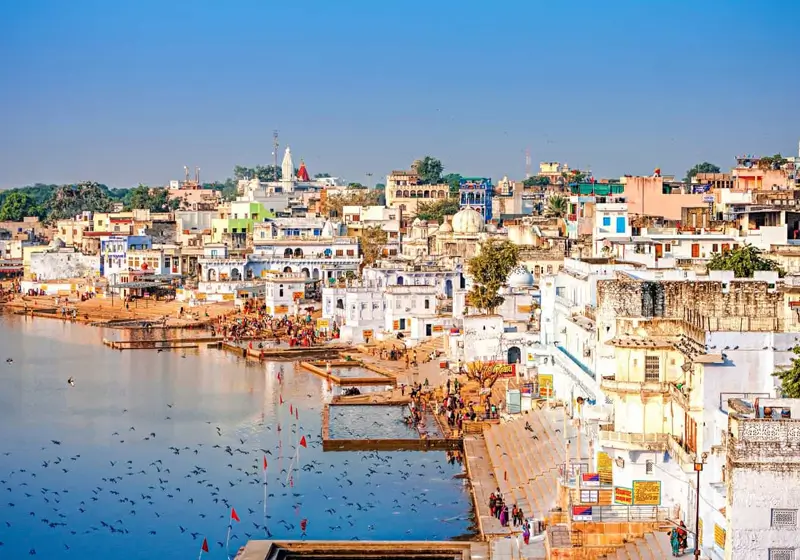
The Pushkar Lake area becomes the focal point, with ghats and temples creating a calm environment. Early mornings are particularly peaceful, making it a good time for short walks and light exploration.
The Brahma Temple is one of the main attractions, but much of Pushkar’s appeal lies in its overall atmosphere rather than specific landmarks. Cafés, small guesthouses and local streets create a setting that encourages unstructured time.
Pushkar is ideal for travelers who want a break from more intense sightseeing schedules and prefer a slower pace.
Bikaner often remains outside mainstream itineraries, but it becomes a practical choice during summer due to lower tourist activity.
Junagarh Fort is the city’s primary highlight, known for its well-preserved interiors and architectural detail. Unlike some forts in Rajasthan, it is located within the city rather than on a hill, making access easier.
Karni Mata Temple and local markets can be included depending on interest. The city’s compact layout allows for efficient exploration without extensive travel time.
Bikaner suits travelers who want to include a heritage destination without dealing with large crowds.
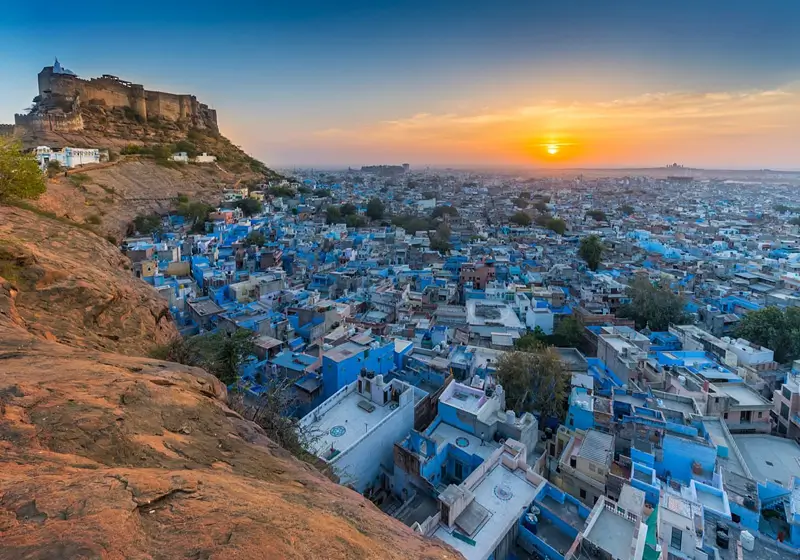
Jodhpur can also be considered during summer if planned correctly. Mehrangarh Fort dominates the city and offers expansive views along with well-curated interiors.
The best time to visit the fort is early morning, followed by a short exploration of the old city and blue houses. Jaswant Thada and Umaid Bhawan Palace can be included depending on the pace of the itinerary.
Evenings in Jodhpur are more relaxed, with rooftop spaces offering views of the fort and city skyline.
Planning plays a crucial role in making Rajasthan comfortable during summer. A few practical decisions can significantly improve the experience:
Planning a Rajasthan trip in summer is less about covering maximum places and more about balancing destinations, travel time and daily pace. The key is to combine cities with different experiences while keeping enough room for rest during the hottest part of the day.
A well-structured itinerary ensures that you are not constantly moving during peak heat hours and that each destination adds something different to the journey.
Ideal 7–8 Day Rajasthan Summer Itinerary (Balanced Experience)
This route creates a natural progression. Jaipur introduces you to Rajasthan’s architecture and culture. Ranthambore adds a wildlife element, breaking the monotony of city sightseeing. Udaipur slows the pace with lakes and heritage stays, while Mount Abu provides a cooler environment towards the end of the trip.
Travel distances in this route are manageable, and each destination offers a different type of experience, which helps avoid repetition.
Short 5–6 Day Itinerary (Compact & Efficient)
This version works well for travelers with limited time. Jaipur covers forts and city experiences, Udaipur offers a more relaxed setting with lakes, and Jodhpur adds a distinct architectural contrast with its blue houses and Mehrangarh Fort.
The focus here is on keeping travel time efficient while still covering key highlights.
This plan reduces frequent transfers and gives more time within each destination. It is suitable for travelers who prefer a slower pace, especially during summer when avoiding constant movement can make the journey more comfortable.
1. Limit Travel During Midday
Intercity travel should ideally start early in the morning. Long drives in the afternoon can feel exhausting in summer, so timing transfers correctly makes a significant difference.
2. Balance Intense and Relaxed Destinations
Avoid placing high-activity cities back-to-back. For example, pairing Jaipur with Ranthambore or Udaipur helps create a better rhythm compared to visiting multiple busy cities continuously.
3. Prioritize Stay Quality
In summer, your hotel becomes an important part of the experience. Choosing properties with good cooling, shaded areas and comfortable indoor spaces allows you to rest properly between sightseeing sessions.
4. Keep Afternoons Flexible
Instead of filling every hour with activities, leave room for breaks. Most travelers find it more comfortable to explore early morning and evening, using afternoons for rest or indoor experiences.
5. Avoid Overloading the Itinerary
Trying to cover too many destinations in a short time can make the trip tiring. A well-paced itinerary with fewer locations often results in a better overall experience.
Rajasthan in summer is not about avoiding the heat completely, but about working around it intelligently. With the right destinations, timing and pace, the experience remains rich and fulfilling.
Cities like Udaipur, Jaipur and Jaisalmer continue to offer strong cultural value, while places like Mount Abu and Ranthambore add variation and balance. The result is a journey that feels complete without being overwhelming.
Fill in the details below. Our expert consultant will respond within 4 hours with a bespoke itinerary crafted just for you — completely free, no obligation.