Itinerary ideas, cultural insights, luxury tips and practical planning guides for every India traveller.
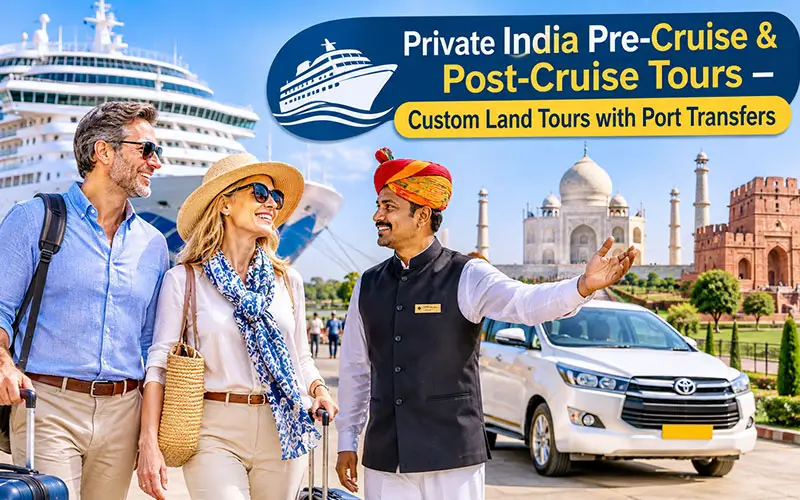
A cruise that begins or ends in India can be combined with a private land journey, allowing travellers to see considerably more than the port city before boarding their ship or flying home. Instead of treating the cruise terminal as a simple arrival or departure point, travellers can add several days of private sightseeing with a chauffeur-driven vehicle, carefully selected hotels and local guides.
A private India pre-cruise tour can begin when the traveller lands at an Indian airport and continue until the day the ship departs. A private India post-cruise tour works in the opposite direction: the driver meets the guests after disembarkation and the land journey continues to selected destinations before the final airport transfer.
The most important difference between this type of trip and a normal private holiday is the fixed cruise schedule.
A hotel check-in can sometimes be moved. A sightseeing stop can be shortened. A lunch reservation can be changed. A ship departure cannot be treated with the same flexibility. Pre-cruise arrangements therefore need a conservative final transfer to the port, while post-cruise arrangements should account for the fact that passengers may not leave the ship at exactly the same time.
Cruise passengers can also carry more luggage than travellers taking a short road trip. A couple returning from a long voyage may have several large suitcases, cabin bags and personal items. Vehicle selection must therefore consider baggage capacity as seriously as passenger capacity.
An India cruise land tour with private port transfer should identify the cruise line, ship name, port, embarkation or disembarkation date, expected terminal timing, passenger count and luggage quantity before transport is assigned.
For international visitors, a pre- or post-cruise land journey can work particularly well when several extra days are available. Depending on the port, flight arrangements and total duration, travellers may be able to combine their cruise with Mumbai, Delhi, Agra, Jaipur, Rajasthan or another suitable region.
The itinerary should remain realistic. A two-night extension cannot deliver the same experience as a seven-night land journey, and adding domestic flights simply to collect more destinations can reduce the comfort of the trip.
The objective is to connect the cruise and land portions smoothly so that the traveller does not have to coordinate separate airport taxis, hotels, city guides, intercity transport and port transfers independently.
A pre-cruise tour in India begins with one fixed fact: the traveller must reach the correct cruise terminal with enough time to complete the cruise line's embarkation procedures.
Everything before that deadline should be arranged around a comfortable margin.
For an international traveller, the journey may begin with airport pickup. The driver can meet the guests after they complete immigration, baggage collection and customs, then transfer them to the first hotel.
Flight information should be supplied before arrival so the transport team has the correct airport, terminal and scheduled landing time.
If the traveller arrives several days before the cruise, the land portion can include private sightseeing and, where practical, another Indian destination.
The exact route depends heavily on the embarkation port.
A cruise beginning in Mumbai naturally makes Mumbai an important part of the pre-cruise stay. Travellers can spend time in the city before boarding rather than flying in and transferring immediately to the terminal.
This approach also provides a useful buffer against international flight disruption.
Arriving in the embarkation city well before the cruise can reduce the risk created by a delayed or cancelled long-haul flight. Cruise passengers should independently follow the arrival guidance provided by their cruise line and airline, but from a ground-travel perspective, avoiding an extremely tight same-day international arrival and ship departure is generally far more comfortable.
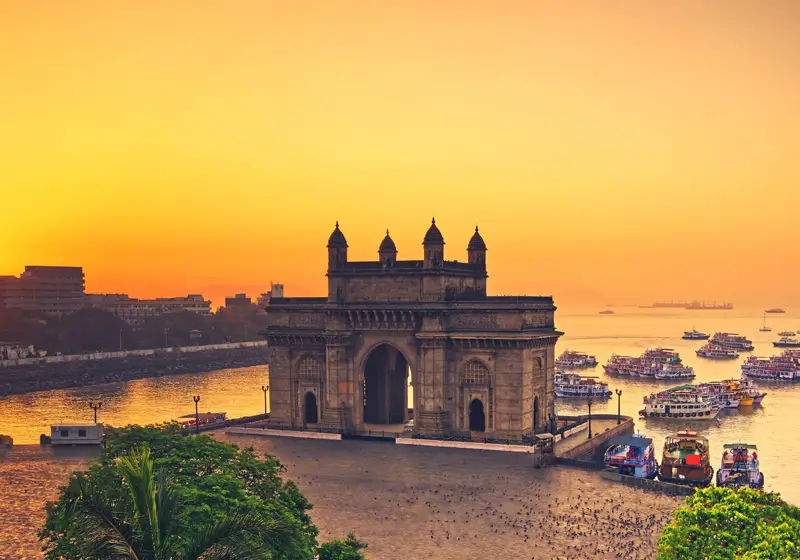
A Mumbai pre-cruise private tour can include a hotel stay, private city sightseeing and final transfer to the cruise terminal. Depending on the available time, guests may visit major historic districts, waterfront areas, markets, museums or other attractions suited to their interests and current opening conditions.
Travellers with more days can consider a broader land itinerary before reaching the port.
For example, an international guest may first visit Delhi, Agra and Jaipur, then fly to Mumbai and stay there before embarkation. Such a route requires enough time to absorb the domestic flight and preserve a buffer before the ship departure.
The final day should not depend on an unnecessarily complicated chain of events.
Taking a domestic flight to the cruise city only a few hours before embarkation introduces avoidable exposure to delays. If the cruise is the fixed priority, arriving in the port city earlier can make the transition much more secure.
Hotel selection also matters on the final pre-cruise night.
A hotel does not need to be directly beside the terminal, but the transfer time should be sensible. A luxurious property located far from the port may be less convenient if the embarkation window coincides with heavy traffic.
The driver should know the ship name and terminal information before collecting the passengers.
Cruise ports can have controlled access, designated drop-off points and security procedures. A private driver may be able to take guests to the permitted passenger drop area but cannot necessarily enter every restricted section of the port.
Passengers should keep passports, cruise documents, medication and valuables with them rather than packing essential documents deep inside checked luggage.
A private port transfer in India should be viewed as the final operational part of the land itinerary rather than a standard city taxi ride.
The vehicle should arrive early enough to load all luggage without rushing, and the schedule should preserve time for unexpected traffic.
Make your cruise holiday more memorable with a customised pre-cruise or post-cruise tour in India. Explore iconic destinations like Delhi, Agra and Jaipur with private sightseeing, comfortable hotels and an experienced chauffeur-driven car. Enjoy a stress-free travel experience with a personalised India tour designed around your cruise schedule.
A post-cruise journey has different timing challenges.
Cruise itineraries may show an arrival time at the port, but that does not necessarily mean every passenger will be standing outside the terminal at that exact moment.
The ship must dock, authorities complete required procedures, luggage is handled and passengers disembark according to the cruise line's process.
A post-cruise private tour in India should therefore use a sensible pickup arrangement rather than assuming immediate exit at the scheduled docking time.
The traveller should provide the ship name, cruise line, port, scheduled arrival and any disembarkation information issued by the cruise company.
Where possible, the driver or representative should receive the passenger's working mobile number or another practical communication method.
The meeting point needs to be clear.
Large port environments can be confusing for first-time visitors. The traveller should know whether the representative will hold a name sign, wait at an authorised exit point or meet outside a particular terminal area.
Once the passengers and luggage are collected, the private land trip can begin.
Some guests prefer to transfer directly to a hotel and rest after leaving the ship. Others want to begin sightseeing immediately.
The correct approach depends on disembarkation time, hotel check-in availability and the travellers' energy level.
A private India tour after a cruise does not need to start with an exhausting full sightseeing day.
If guests have been awake early for disembarkation, a lighter first afternoon followed by a full private tour the next day may be more enjoyable.
Travellers flying home on the same day as disembarkation should be particularly cautious about timing.
Port-to-airport driving time can change with traffic, and disembarkation itself can take longer than expected. The airline's check-in deadline and terminal requirements should be checked independently.
When the post-cruise stay lasts several days, the options expand considerably.
Passengers can remain in the port city or continue by domestic flight to another region. Someone finishing a cruise in Mumbai, for example, may continue to Delhi and then take a private road journey through Agra and Jaipur if enough days are available.
This can be an effective way to combine a sea voyage with India's most famous northern cultural destinations.
A longer post-cruise holiday can extend further into Rajasthan.
The benefit of placing the land tour after the cruise is that there is no ship departure deadline at the end of the road itinerary. The fixed point becomes the traveller's international flight home.
That still requires careful timing, but it provides greater flexibility than a pre-cruise route that must reach the ship on a particular embarkation day.
Luggage remains an important factor.
Cruise travellers may carry formal clothing, multiple suitcases and purchases made during the voyage. A vehicle that would normally be comfortable for two sightseeing passengers may be too small once four large suitcases and cabin bags are added.
The transport provider should know the baggage quantity before confirming the cruise port pickup with private car.
Vehicle selection is one of the most important practical elements of a cruise extension.
A standard sedan can work for one or two travellers carrying moderate luggage, but it should not be booked automatically simply because there are only two passengers.
Cruise luggage can consume considerable boot space.
A couple carrying two large suitcases, two medium bags and cabin luggage may find an Innova Crysta or another larger vehicle much more comfortable.
A private cruise transfer in India with luggage should therefore be quoted according to both passengers and bags.
For families and small groups, a Tempo Traveller or another suitable larger vehicle can provide more cabin and luggage capacity.
However, vehicle configurations differ. A vehicle advertised with a particular passenger capacity may not have enough separate luggage space when every seat is occupied.
The operator should receive an approximate luggage count before assigning the vehicle.
For example, six adults with six large international suitcases should not be treated the same as six passengers carrying only small overnight bags.
If a large family has substantial cruise luggage, an additional luggage vehicle can sometimes be more practical than overcrowding the passenger vehicle.
Comfort becomes even more important when the port transfer continues into a longer road journey.
A one-hour city transfer and a five-hour intercity drive place very different demands on the passengers.
An Innova Crysta can be a useful option for couples or smaller families seeking additional space, while a well-maintained Tempo Traveller can suit larger groups.
Premium travellers may request a luxury sedan, luxury MPV or other high-end vehicle, subject to local availability.
The exact vehicle category should appear in the confirmation.
Terms such as “luxury car” are too broad if the vehicle itself matters to the traveller.
A chauffeur-driven India tour after a cruise should also state what is included in the transport rate. Fuel, driver allowance, parking, tolls and interstate taxes where applicable should be clarified before payment.
Port parking or entry charges may be included in the fixed transfer price or billed separately according to the provider.
Waiting policy deserves attention as well.
A driver collecting passengers from a cruise terminal may arrive before they are permitted to disembark. The quotation should explain whether normal waiting is included and how unusually long delays are handled.
Similarly, a pre-cruise transfer may require the vehicle to wait while the hotel completes luggage handling.
Cruise travellers should keep essential items separate from luggage loaded into the vehicle. Passports, cruise boarding documents, airline documents, medication, cash, jewellery and valuable electronics should remain in personal hand baggage.
When multiple vehicles are used, the luggage should be assigned carefully so essential suitcases do not accidentally travel in a different direction from the passenger.
These details may appear minor, but they become extremely important when a fixed ship or flight departure is involved.
International cruise passengers often want to use their additional land time to see destinations that are very different from the coastal ports visited by their ship.
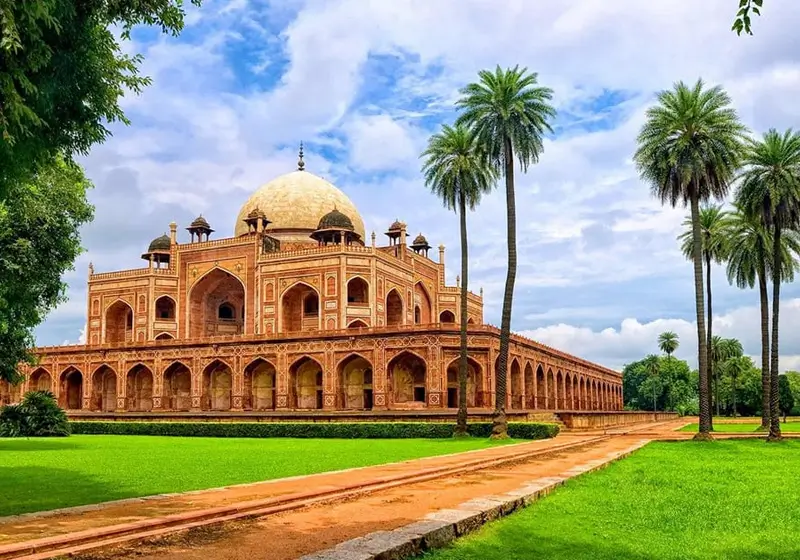
Delhi, Agra and Jaipur can form a practical private road journey when enough days are available, particularly when combined with suitable domestic flights to or from the cruise city.
A Golden Triangle pre-cruise tour might begin with arrival in Delhi, continue by private vehicle to Agra and Jaipur, and then connect by air to the cruise departure city.
The schedule should contain enough buffer before embarkation.
The reverse arrangement can work after the cruise.
Passengers can leave the ship, stay in the port city if desired, fly to Delhi and then continue by private car through Agra and Jaipur before their international departure.
The road portion is particularly suitable for private touring because Delhi, Agra and Jaipur can be connected without relying entirely on rail schedules.
The private car also carries luggage between hotels.
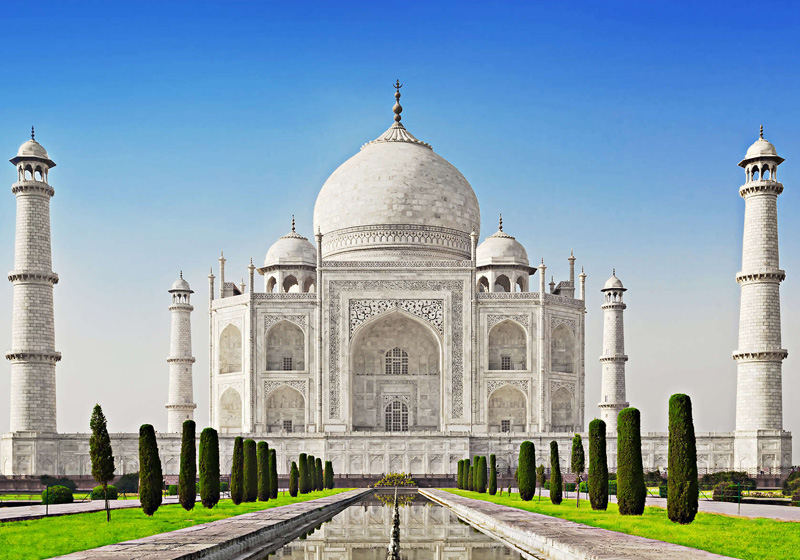
The Taj Mahal is commonly one of the main priorities for international cruise travellers extending their trip into North India. Its normal Friday closure must be considered when setting the Agra stay.
A route that reaches Agra only on Thursday night and leaves on Friday afternoon would create an obvious problem for a standard Taj Mahal visit.
The itinerary should therefore be arranged around actual opening days.
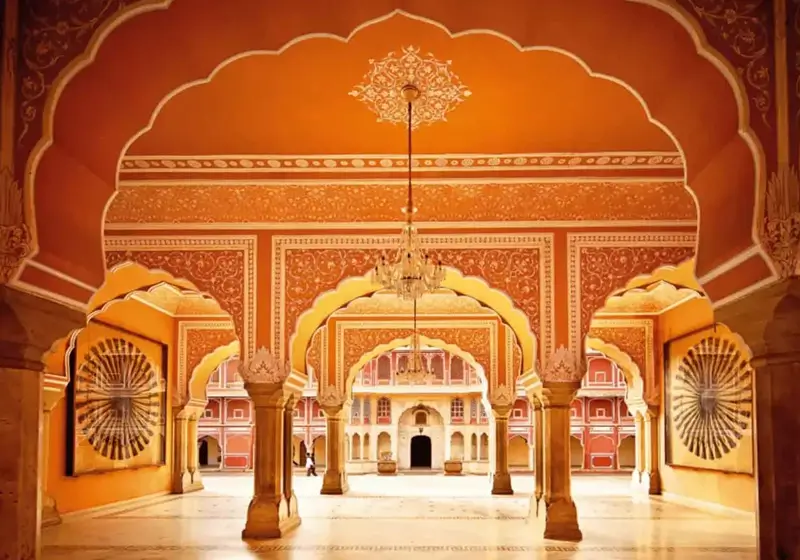
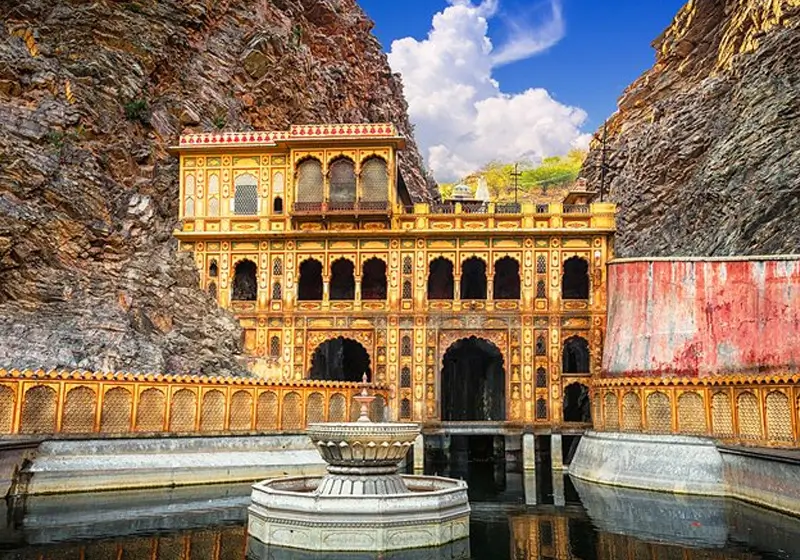
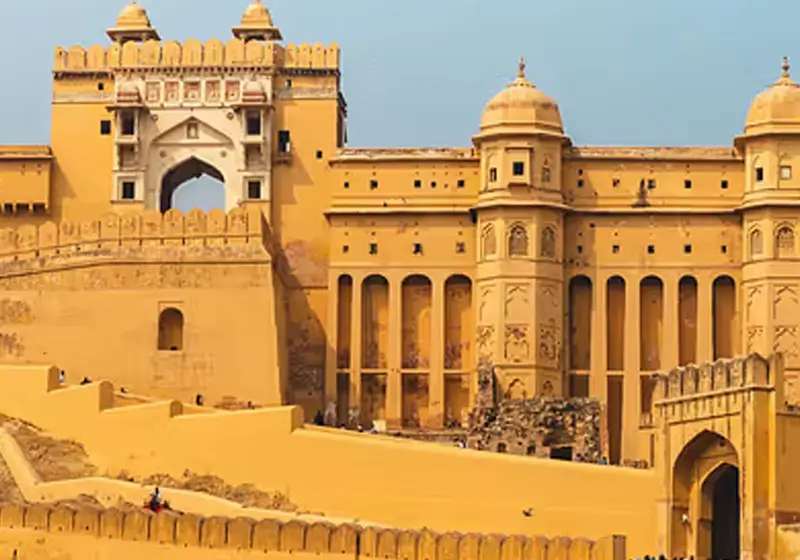
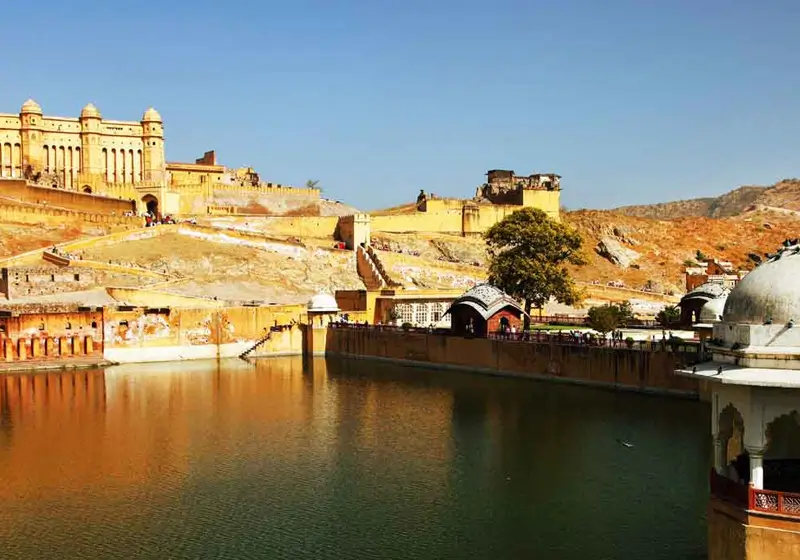
Jaipur can add forts, palaces, markets, crafts and heritage accommodation to the land journey.
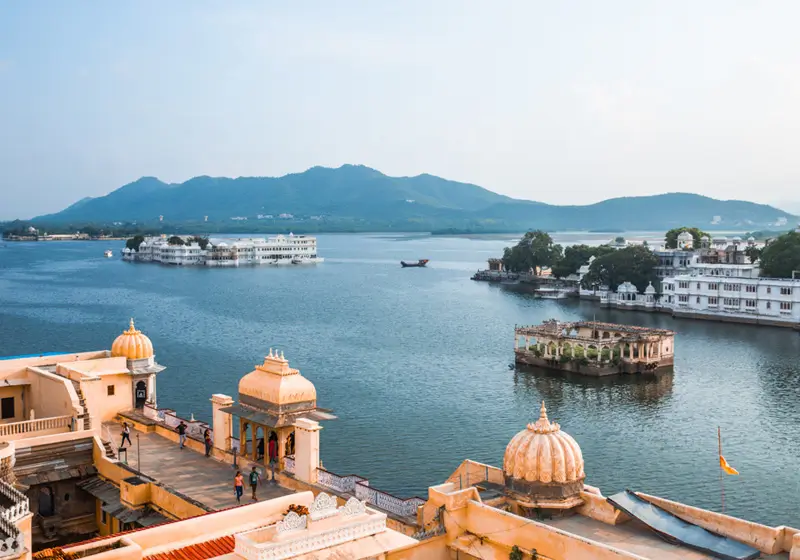
Travellers with more time can continue from Jaipur into Jodhpur and Udaipur, although the additional road distances require more nights.
A Rajasthan post-cruise private tour works best when the number of cities matches the available time.
Trying to visit Delhi, Agra, Jaipur, Jodhpur and Udaipur in five nights would involve excessive movement.
With a longer stay, the same route can become much more comfortable.
Travellers should also consider how the land journey fits with the cruise they have just completed.
Someone finishing a busy cruise with daily shore excursions may want a slower post-cruise itinerary with two- or three-night stays. A passenger who spent many sea days may prefer a more active sightseeing schedule.
Private travel allows these differences to be accommodated.
Hotel style can also change the character of the extension.
A pre-cruise trip can use reliable four- or five-star hotels for convenience, while a longer Rajasthan extension may incorporate boutique heritage havelis.
Luxury travellers can use palace hotels and premium vehicles.
The land trip does not need to match the accommodation style of the cruise exactly. It can provide a contrasting experience.
Hotel location matters more than simply selecting a star category.
For the final night before embarkation, travellers generally benefit from a property with sensible access to the port and reliable road connections.
The cheapest hotel far outside the practical transfer corridor can create unnecessary stress on embarkation morning.
A pre-cruise hotel in India with private port transfer should also be able to handle the guest's luggage comfortably.
Cruise passengers may arrive with several large bags, so elevators and porter assistance can be valuable.
If the travellers are staying in a boutique heritage property, vehicle access should be checked because some historic hotels are located in narrow lanes.
Post-cruise hotel selection can be more flexible.
Travellers may prefer a central sightseeing location because they no longer need to reach the port again.
Early hotel check-in is another practical issue.
A cruise passenger may leave the terminal in the morning while standard hotel check-in is not until the afternoon. Hotels can store luggage until the room is ready, but immediate room access is not automatically guaranteed.
Guests who consider immediate access essential can request paid early check-in or reserve the room from the previous night, depending on hotel policy and availability.
This can be particularly worthwhile for senior travellers or guests who want to rest after disembarkation.
The same principle applies to late departure.
If an international flight leaves around midnight, standard hotel checkout may be many hours earlier. A late checkout can be requested, but availability and charges vary.
Booking an additional night can sometimes be more comfortable than spending an entire evening without a room.
A luxury India cruise extension can use five-star hotels, suites and premium heritage accommodation, but convenience should remain part of the selection.
A famous hotel is not necessarily the best option if its location creates unnecessary transfers on a tightly timed cruise day.
Breakfast timing should also be checked.
If the port transfer leaves before regular breakfast service, the hotel may be able to provide a packed breakfast when requested in advance.
Travellers with vegetarian, vegan, Jain or allergy-related requirements should communicate them when the hotel is booked.
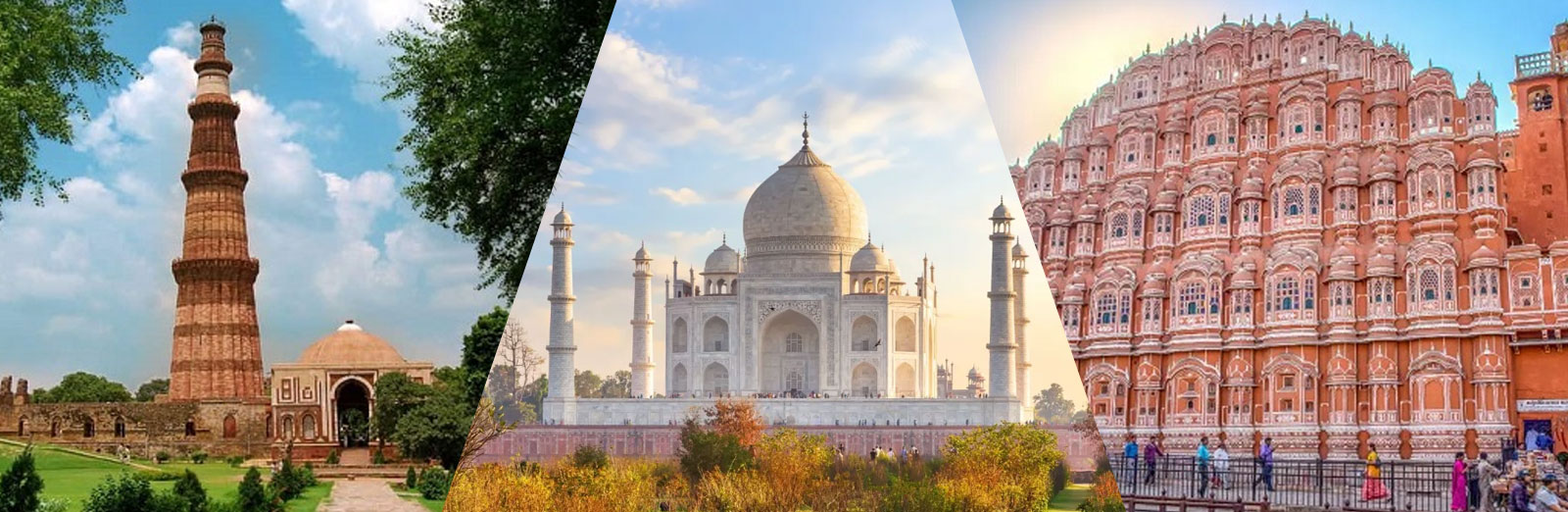
Turn your cruise journey into an unforgettable Indian holiday with a private Golden Triangle tour. Visit Delhi's historic landmarks, admire the magnificent Taj Mahal in Agra and discover Jaipur's royal palaces. We arrange customised pre-cruise and post-cruise travel packages with private transportation, quality accommodation and flexible sightseeing.
The cost of a private India cruise extension package depends on the port, number of nights, hotel category, vehicle, domestic flights, guides and sightseeing included.
A simple private port transfer is naturally much less expensive than a seven-night land journey covering several cities.
For one or two travellers, a private airport, hotel or port transfer using a suitable sedan can broadly cost ₹2,500–₹5,000+ within a major city, depending on distance, waiting, parking and timing.
A larger vehicle such as an Innova Crysta may broadly fall around ₹3,500–₹7,000+ for an appropriate city or port transfer, depending on the exact movement and supplier.
Longer intercity transfers cost more because distance, tolls and driver time increase.
For a multi-day land tour, an Innova Crysta can broadly cost around ₹5,000–₹8,000+ per day, while larger vehicles such as a Tempo Traveller can commonly fall around ₹8,000–₹15,000+ per day depending on route and configuration.
Premium luxury vehicles can cost substantially more.
Hotel rates create the greatest variation.
Comfortable four-star accommodation may broadly cost ₹6,000–₹12,000+ per room per night in many destinations. Premium five-star rooms can fall around ₹12,000–₹30,000+, while luxury hotels, palace properties and suites can exceed ₹30,000–₹100,000+ per night.
High-demand dates can increase rates further.
For two travellers taking a private multi-day extension with comfortable hotels, dedicated transport and selected guiding, a broad ground budget can begin around ₹18,000–₹30,000 per day for the travelling party.
A premium arrangement can move towards ₹30,000–₹55,000+ per day.
A luxury post-cruise India tour using high-end hotels, premium rooms, private guides and upgraded vehicles can reach ₹60,000–₹120,000+ per day for two travellers, with exceptional hotels pushing the amount significantly higher.
Domestic flights should generally be budgeted separately because fares can change sharply according to route and booking date.
Travellers should also check airline baggage allowances before buying domestic tickets.
International cruise passengers may have more luggage than the standard allowance included with an Indian domestic airfare. Excess baggage can therefore become a significant additional expense.
The quotation should identify whether monument entrance tickets, meals, guides, domestic flights and port charges are included.
A package described as “all-inclusive” should still list its actual inclusions and exclusions.
Domestic flights can connect a cruise port with distant land destinations efficiently, but they introduce another fixed timetable into the itinerary.
A traveller moving between Mumbai and Delhi, for example, may prefer flying rather than spending a very long time travelling overland.
Major Indian carriers can include airlines such as Air India, IndiGo and Akasa Air, depending on the route and operating schedule.
The correct flight should be selected according to timing, baggage allowance, fare conditions and onward arrangements rather than only the lowest advertised fare.
Cruise passengers need to pay particular attention to baggage.
A domestic ticket may include a lower checked-baggage allowance than the traveller had on the international flight or cruise journey. Extra baggage charges can apply according to the airline's current rules.
Before ticketing, the traveller should compare the allowance with the number and weight of bags they expect to carry.
This is especially important after the cruise because passengers may have purchased additional items during the voyage.
A post-cruise India tour with domestic flights should avoid extremely tight same-day connections where a delay would affect an important international departure.
If a domestic flight feeds into the traveller's long-haul flight home, a sensible time margin is essential.
Travellers should verify terminal information as well.
Delhi and Mumbai have multiple terminal operations, and the correct terminal depends on the flight. The driver needs the actual flight details rather than simply being told “Delhi Airport” or “Mumbai Airport.”
For airport pickup, the operator should receive the airline, flight number, arrival date and scheduled time.
For airport drop-off, the driver should know whether the flight is domestic or international and which terminal is shown on the traveller's current booking.
Airline schedules can change, so passengers should recheck their flights directly with the airline.
The ground itinerary should be adjusted if a significant schedule change occurs.
Cruise passengers often include senior travellers, multi-generational families and guests who prefer a slower travel pace. A private land extension can work particularly well for these travellers because sightseeing hours and road stops can be adjusted without affecting a larger group.
A private India cruise tour for senior travellers should use comfortable vehicles, sensibly located hotels and realistic sightseeing days.
Long drives should include rest stops. Hotels with elevators can be prioritised. Rooms can be requested close to lifts when appropriate, and walk-in showers can be sought for guests who find bathtubs difficult.
Wheelchair requirements need to be discussed in greater detail.
A folding wheelchair may fit inside an Innova-type vehicle with limited luggage, but a larger mobility device can require a different vehicle arrangement.
The operator needs the approximate folded dimensions and weight where relevant.
Monument accessibility varies.
Historic forts, palaces and old-city areas can contain steps, slopes, uneven surfaces and long walking distances. A private guide can adjust the route, but not every architectural barrier can be eliminated.
Families have different requirements.
A family post-cruise India tour may need connecting hotel rooms, child seats, a larger vehicle and earlier dinner times.
The children's ages should be supplied when requesting hotel rooms because occupancy and extra-bed rules vary.
If the family has already spent a week or more sharing a compact cruise cabin, two connecting hotel rooms can provide welcome additional space during the land portion.
Luggage volume also increases quickly for families.
A Tempo Traveller may be much more comfortable than trying to place five or six passengers and cruise luggage into an MPV.
Private travel also allows family members to divide activities where practical.
Grandparents may return to the hotel after lunch while parents and children continue sightseeing. One parent can remain at the hotel with a tired child while other family members visit a monument.
That flexibility can make a private extension substantially more comfortable than adding another fixed group tour immediately after a cruise.
A cruise-related land booking contains several fixed details that should appear accurately in the confirmation.
The cruise line and ship name should be recorded. The embarkation or disembarkation port should be clear, along with the date and available terminal information.
Flight details should also be included when airport transfers form part of the service.
The vehicle category should be specified.
If the booking is based on an Innova Crysta, the confirmation should not simply state “AC car” unless the traveller has agreed to a broader category.
The passenger and luggage count should be recorded so the transport provider knows the required capacity.
Hotels should be identified by name where confirmed, together with room category and meal basis.
For a private India pre-cruise and post-cruise package, the traveller should also receive the day-by-day route, major sightseeing inclusions, guide arrangements and any domestic flight details booked through the service.
Cancellation conditions matter because several suppliers may have different policies.
The hotel can have one cancellation deadline, the domestic airline another, and the transport service another.
Cruise itinerary changes introduce an additional consideration.
Ships can alter ports or timings for operational, weather or other reasons. The ground operator's policy for changes should therefore be understood before booking, particularly where non-refundable hotels or flights are involved.
Travellers should keep the ground operator's contact details accessible offline.
On embarkation day, the cruise company's own documentation remains the authority for terminal and boarding instructions. The private driver provides transport to the appropriate permitted drop-off point, but the cruise line controls embarkation.
After disembarkation, the same separation applies.
The cruise line controls when passengers leave the ship, while the private ground service begins once the guests reach the agreed meeting location.
When these responsibilities are clearly understood, the transition between ship and land can remain straightforward.
A private India land tour before or after a cruise is most valuable when it removes logistical pressure rather than adding more of it. A suitable vehicle handles the luggage, hotels are already confirmed, guides meet the guests at agreed times, airport transfers are coordinated and the cruise schedule remains protected by sensible timing.
That gives travellers the opportunity to experience India beyond the cruise terminal while retaining the privacy and flexibility of an individually arranged journey.
Yes. A private India pre-cruise tour can include airport pickup, hotels, private sightseeing, a chauffeur-driven vehicle and final transfer to the cruise terminal. The itinerary should preserve a comfortable margin before embarkation.
Yes. A driver or representative can meet you at the agreed port pickup location after disembarkation. The first day's schedule should remain flexible because the exact time passengers leave the terminal can vary.
Follow the specific instructions issued by your cruise line. From a ground-travel perspective, travellers arriving internationally often prefer to reach the embarkation city ahead of the cruise rather than relying on a very tight same-day flight connection.
A sedan can suit travellers with limited baggage, while an Innova Crysta with driver can provide more room for a couple or small family. Larger families and groups with several suitcases may require a Tempo Traveller or an additional luggage vehicle.
Yes, when sufficient days are available. Delhi, Agra and Jaipur can be connected by private road transport and combined with a domestic flight to or from the cruise city where necessary.
Yes. Agra can be incorporated into a suitable North India land itinerary. The schedule must account for the Taj Mahal's normal Friday closure and the time required to travel between cities.
They can be. The quotation should state whether embarkation or disembarkation transfers, port parking, waiting and luggage handling arrangements are included. Do not assume a port transfer is included unless it appears in the confirmation.
A comfortable multi-day private land trip for two travellers can broadly begin around ₹18,000–₹30,000 per day. Premium arrangements can cost ₹30,000–₹55,000+ per day, while luxury hotels and vehicles can push the budget beyond ₹60,000–₹120,000 per day.
Yes. Private touring allows shorter sightseeing days, rest breaks, suitable hotels and more comfortable vehicle arrangements. Mobility requirements should be provided before booking so hotel and transport suitability can be checked.
Provide the cruise line, ship name, port, arrival or departure date, passenger count, luggage quantity and available terminal information. For onward airport transfers, also provide the airline, flight number, departure time and terminal information shown on the current booking.
Fill in the details below. Our expert consultant will respond within 4 hours with a bespoke itinerary crafted just for you — completely free, no obligation.