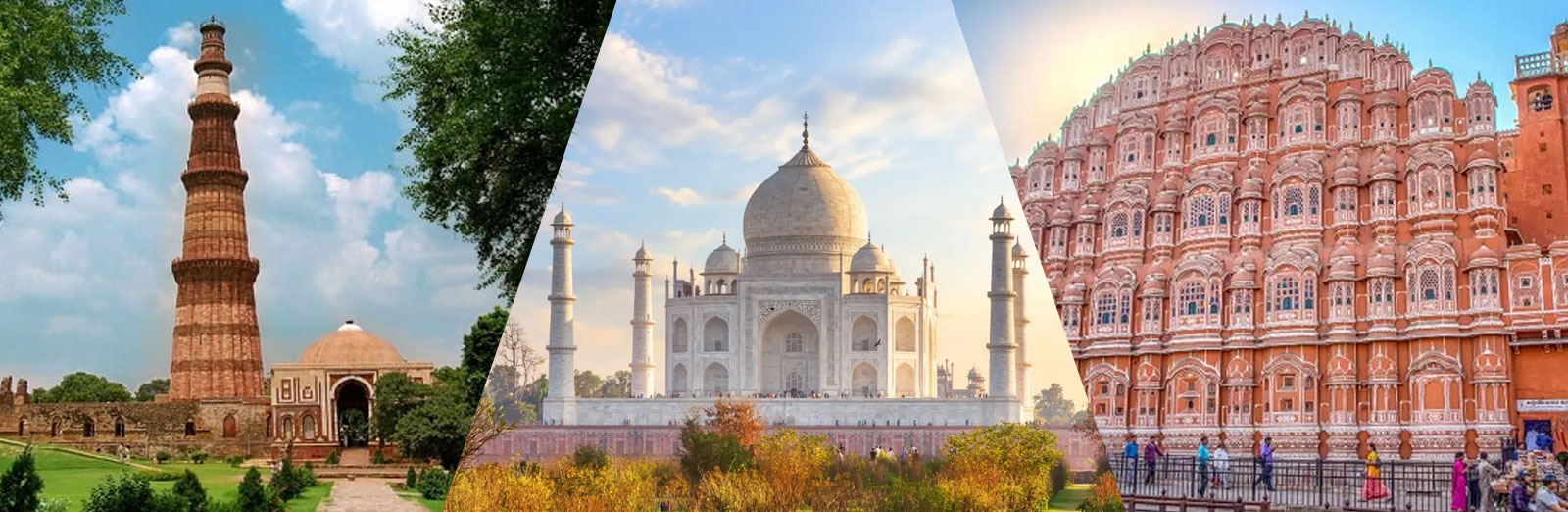
Itinerary ideas, cultural insights, luxury tips and practical planning guides for every India traveller.
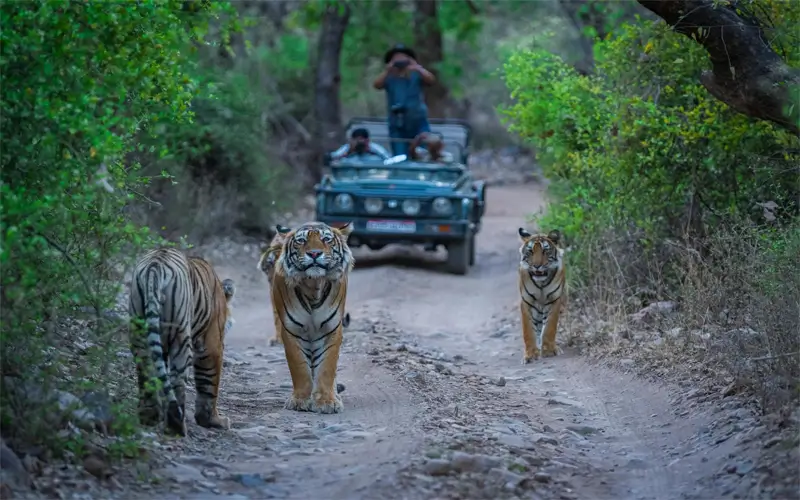
A visit to Ranthambore National Park is one of the most exciting wildlife experiences in India. Located near the town of Sawai Madhopur in Rajasthan, the park is internationally recognised for its healthy population of Royal Bengal Tigers, making it one of the country's premier destinations for tiger safaris. For many travellers following a Golden Triangle Tour with Ranthambore, spending a day exploring the forest in search of tigers becomes one of the highlights of their journey.
Unlike a zoo, Ranthambore offers a genuine wildlife experience where animals roam freely across forests, lakes, grasslands, and ancient ruins. Every safari is different, and while tiger sightings can never be guaranteed, visitors often encounter a fascinating variety of wildlife including leopards, sloth bears, striped hyenas, crocodiles, sambar deer, spotted deer, nilgai, wild boars, langurs, peacocks, and hundreds of bird species.
Because safari vehicles are limited and entry permits are issued according to specific safari zones, advance planning is essential. Understanding the booking process, safari timings, park zones, vehicle options, and seasonal conditions helps visitors maximise their chances of enjoying a memorable wildlife adventure.
Whether you are a wildlife enthusiast, photographer, or first-time visitor, this guide explains everything you need to know before booking a Ranthambore Tiger Safari.
Situated approximately 180 kilometres from Jaipur and around 260 kilometres from Agra, Ranthambore National Park covers more than 1,300 square kilometres, including its core and buffer areas.
The park was once the royal hunting ground of the Maharajas of Jaipur before becoming a protected wildlife reserve under Project Tiger in 1973.
Today, Ranthambore is one of India's most famous tiger reserves because of its relatively high tiger population and open landscapes, which improve the chances of spotting wildlife compared with dense forests found elsewhere in the country.
In addition to wildlife, visitors can admire scenic lakes, ancient banyan trees, rocky hills, medieval temples, and the historic Ranthambore Fort, a UNESCO World Heritage Site located within the reserve.
Although several tiger reserves exist across India, Ranthambore enjoys worldwide popularity for several reasons.
The park's dry deciduous forest provides better visibility than dense tropical jungles, allowing visitors to observe wildlife from greater distances.
Many of the park's famous tigers have become well known among wildlife photographers because of their distinctive markings and regular appearances around lakes and open grasslands.
Historic ruins scattered throughout the forest create unique photographic opportunities where wildlife and centuries-old architecture appear together in a single frame.
Its convenient location between Delhi, Agra, and Jaipur also makes Ranthambore an easy addition to the classic Golden Triangle itinerary.
The national park generally remains open from October to June, while the core safari zones close during the monsoon season.
Each season offers a different wildlife experience.
October to February
These months provide the most pleasant weather, with daytime temperatures ranging between 15°C and 30°C.
The cooler climate makes safari drives comfortable, particularly during the early morning. The forest remains relatively green after the monsoon, creating beautiful landscapes for photography.
Although wildlife sightings remain good, taller vegetation can occasionally make tiger spotting slightly more challenging than during summer.
March to June
Summer temperatures often exceed 40°C, but this is also regarded as one of the best periods for tiger sightings.
As natural water sources become limited, tigers, leopards, deer, and other animals frequently gather around lakes and watering holes, increasing the chances of successful wildlife viewing.
Morning safaris are generally more comfortable than afternoon drives during this period.
Ranthambore operates two safaris each day, with timings varying slightly according to the season.
Morning Safari
Afternoon Safari
Visitors should arrive at the safari departure point at least 30 minutes before the scheduled reporting time to complete identity verification and vehicle allocation.
Add a thrilling tiger safari to your India itinerary and explore Ranthambore with comfortable transport, safari arrangements, and expert trip planning.
Unlike regular tourist attractions, entry into Ranthambore National Park requires both a park permit and a seat in an authorised safari vehicle.
When making a reservation, visitors provide passport details or government-issued identification, preferred safari date, and the number of travellers. Safari permits are linked to the identity document used during booking, so carrying the same identification on the day of the safari is mandatory.
Bookings can usually be made several months in advance, and early reservations are strongly recommended during the peak tourist season between October and March.
Visitors booking through tour operators often receive assistance with permits, vehicle reservations, hotel accommodation, and transportation.
Ranthambore is divided into multiple safari zones, including Zones 1 to 10.
Each zone offers different landscapes, lakes, grasslands, forests, and wildlife habitats. Some zones have developed strong reputations for tiger sightings because of the territories occupied by resident tigers, while others are known for excellent birdlife or quieter safari experiences.
It is important to understand that no safari zone guarantees a tiger sighting. Tigers move freely according to their natural behaviour, and wildlife sightings depend on many factors including weather, season, recent animal movement, and luck.
Many experienced naturalists believe that every zone offers rewarding wildlife experiences beyond tiger sightings, making each safari unique.
Visitors to Ranthambore National Park can choose between two authorised safari vehicles: the 6-seater Jeep and the 20-seater Canter. Both vehicles follow designated routes inside the reserve and are accompanied by an authorised driver and a trained forest guide. The choice depends largely on your budget, group size, and preferred safari experience.
Jeep Safari
A Jeep Safari accommodates up to six visitors, making it the preferred option for wildlife photographers, couples, families, and travellers looking for a quieter and more flexible experience.
Because fewer passengers share the vehicle, everyone usually enjoys unobstructed views, making photography easier. Jeeps can also manoeuvre more comfortably on narrow forest tracks and often provide a more intimate wildlife experience.
Advantages of a Jeep Safari include:
Canter Safari
A Canter Safari carries around 20 visitors and offers a more economical way to explore the park.
Although larger than a Jeep, the Canter follows the same authorised safari routes within the assigned zone. It is a popular choice for solo travellers and larger groups seeking a budget-friendly safari.
Advantages of a Canter Safari include:
While many visitors prefer Jeeps for their exclusivity, successful tiger sightings occur from both vehicle types.
Safari prices vary depending on vehicle type, visitor nationality, and government regulations. Rates may also change periodically.
Approximate charges are:
Jeep Safari
Canter Safari
Private Jeep bookings generally cost more than shared safaris but provide additional comfort and flexibility for families or photographers.
One of the most frequently asked questions concerns the best safari zone for tiger sightings.
Historically, Zones 2, 3, 4, 5, and 6 have produced many memorable tiger sightings because several well-known tigers established territories in these areas. Lakes such as Padam Talao, Rajbagh Lake, and Malik Talao often attract wildlife throughout the year.
However, tiger movement changes continuously as animals establish new territories, raise cubs, and move across the reserve. Because of this natural behaviour, excellent sightings can occur in almost any zone.
Visitors should avoid choosing a safari solely based on online rumours or outdated reports. Every safari offers opportunities to observe numerous species of wildlife, beautiful landscapes, and historic ruins regardless of the assigned zone.
Although tiger sightings can never be guaranteed, several practical strategies may improve your chances.
Booking more than one safari significantly increases the likelihood of encountering wildlife because every drive follows a different schedule and environmental conditions change throughout the day.
Morning safaris often provide cooler temperatures and active wildlife, while summer afternoon safaris frequently produce excellent sightings around waterholes.
Listening carefully to your naturalist guide is equally important. Experienced guides recognise alarm calls made by deer, langurs, and peacocks, which often indicate the presence of a nearby predator.
Remaining quiet throughout the safari also improves the experience, allowing both guides and visitors to detect wildlife movements more easily.
Ranthambore is one of India's finest wildlife photography destinations.
For the best results:
Remember that wildlife photography requires patience. Even if a tiger is not seen immediately, many excellent opportunities exist to photograph birds, deer, crocodiles, monkeys, landscapes, and historic ruins.
Combine India's famous Golden Triangle with an exciting Ranthambore tiger safari. Let us help arrange your safari, hotels and transportation.
Packing appropriately makes the safari much more comfortable.
Recommended items include:
Bright-coloured clothing should be avoided. Neutral shades such as green, brown, beige, or grey blend naturally with the surroundings and minimise disturbance to wildlife.
To protect both visitors and wildlife, Ranthambore National Park follows strict conservation regulations.
Visitors should remain seated throughout the safari and never attempt to leave the vehicle inside the reserve.
Feeding animals, playing music, shouting, smoking, littering, or attempting to attract wildlife is strictly prohibited.
Photography is encouraged, but flash should not be used when photographing animals at close range.
Respecting these rules helps preserve the natural behaviour of wildlife while ensuring a safe experience for everyone.
Many international visitors combine Delhi, Agra, Ranthambore, and Jaipur into one itinerary.
A typical route follows:
Delhi → Agra → Ranthambore → Jaipur
This extension allows travellers to experience India's rich history, magnificent Mughal monuments, vibrant Rajasthani culture, and one of the country's finest tiger reserves within a single journey.
Most visitors spend one or two nights in Ranthambore, allowing enough time for two or more safari drives before continuing to Jaipur.
The park is generally open from October to June, with March to June offering some of the best opportunities for tiger sightings.
No. Tigers are wild animals, and sightings always depend on natural conditions and animal movements.
A Jeep Safari offers a smaller group experience and better photography opportunities, while a Canter Safari is more economical for larger groups and budget-conscious travellers.
The reserve is divided into 10 safari zones, each offering different landscapes and wildlife habitats.
Booking two or more safaris usually improves your chances of seeing a tiger and experiencing different parts of the park.
Both morning and afternoon safaris are rewarding, although many visitors prefer early morning drives during winter and afternoon drives during summer.
Ranthambore is approximately 180 kilometres from Jaipur, with a road journey of around 3.5 to 4 hours.
Yes. Families with children are welcome, provided all visitors follow the park's safety regulations.
Yes. Photography is permitted and Ranthambore is one of India's leading wildlife photography destinations.
Comfortable clothing in neutral colours, sturdy footwear, sunglasses, and a hat are recommended.
Yes. Safari permits are limited and often sell out weeks or even months in advance, especially between October and March.
Yes. Golden Triangle Tours with Ranthambore are among the most popular wildlife and heritage itineraries in India, combining Delhi, Agra, Ranthambore, and Jaipur into one unforgettable journey.
Fill in the details below. Our expert consultant will respond within 4 hours with a bespoke itinerary crafted just for you — completely free, no obligation.