Itinerary ideas, cultural insights, luxury tips and practical planning guides for every India traveller.
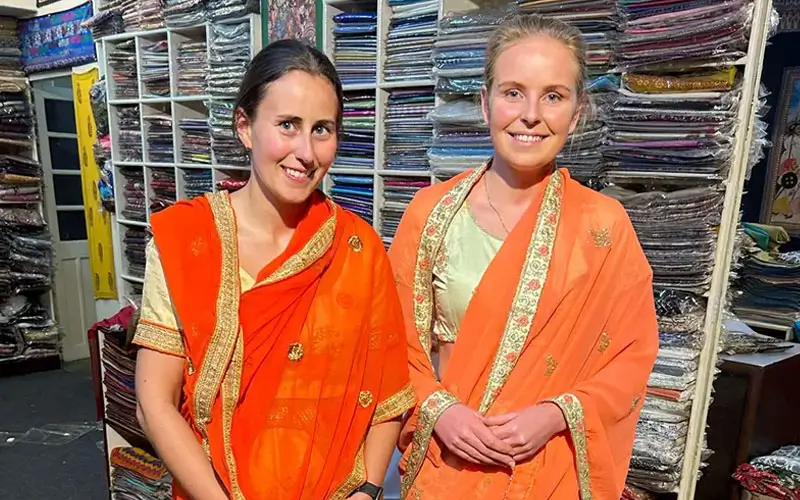
The Golden Triangle of India — Delhi, Agra, and Jaipur — is not only about forts, palaces, and monuments. It is also one of the best shopping regions in the world, known for textiles, gems, handicrafts, leather, carpets, and souvenirs. Each city offers something unique that reflects its culture and history. Delhi’s markets bustle with a mix of old-world bazaars and modern designer hubs. Agra showcases its Mughal legacy through marble inlay work and leather goods. Jaipur is famous for its jewellery, block-printed textiles, blue pottery, and vibrant bazaars.
Shopping in this region is more than just buying products; it is an experience of walking through narrow lanes, bargaining with shopkeepers, sipping masala chai while exploring stalls, and witnessing artisans working in their workshops. This guide covers what to buy in each city, the best markets to explore, and tips to ensure an authentic shopping experience.
Traditional Textiles and Handicrafts
Delhi is a treasure trove for shoppers. From embroidered shawls to silver jewellery, the city offers crafts from every corner of India. Dilli Haat, an open-air craft bazaar near INA, is one of the best places to start. Artisans from different states showcase handloom sarees, tribal jewellery, wooden toys, and brassware. Unlike touristy markets, prices here are fixed and proceeds go directly to artisans.
For textiles, Delhi is unmatched. Markets like Lajpat Nagar and Sarojini Nagar are famous for budget shopping, but Connaught Place stores and state emporiums offer higher quality fabrics, pashminas, and hand-embroidered suits. Foreign tourists often look for kurtas, dupattas, and stoles with delicate chikankari or zardozi work.
Jewellery and Silverware
Dariba Kalan in Chandni Chowk has been Delhi’s jewellery lane since the Mughal era. It is packed with silver jewellery, anklets, and nose rings. For more modern options, Khan Market and Hauz Khas have upscale boutiques selling designer jewellery inspired by Indian motifs.
Handicrafts and Souvenirs
For small souvenirs, Janpath Market is a hotspot. Here you can find miniature paintings, Kashmiri carpets, Tibetan artefacts, and funky accessories. Bargaining is essential, but the variety makes it worth visiting.
Tips for Shopping in Delhi
Marble Inlay Work
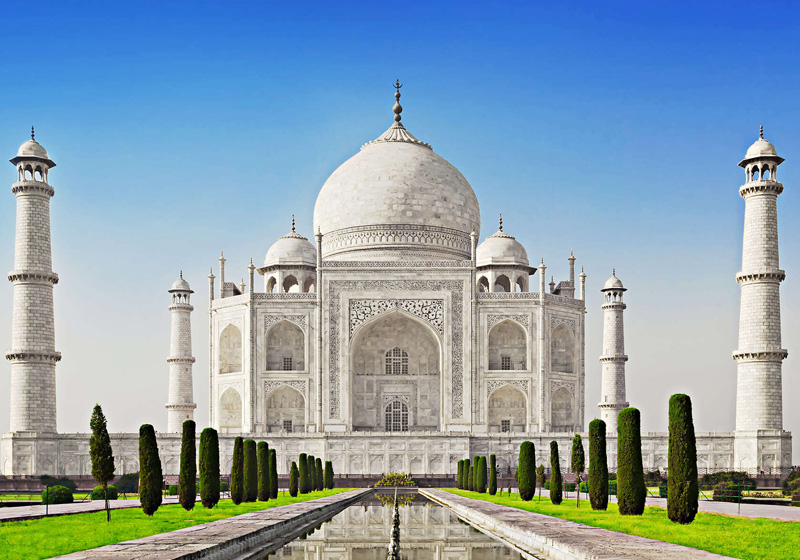
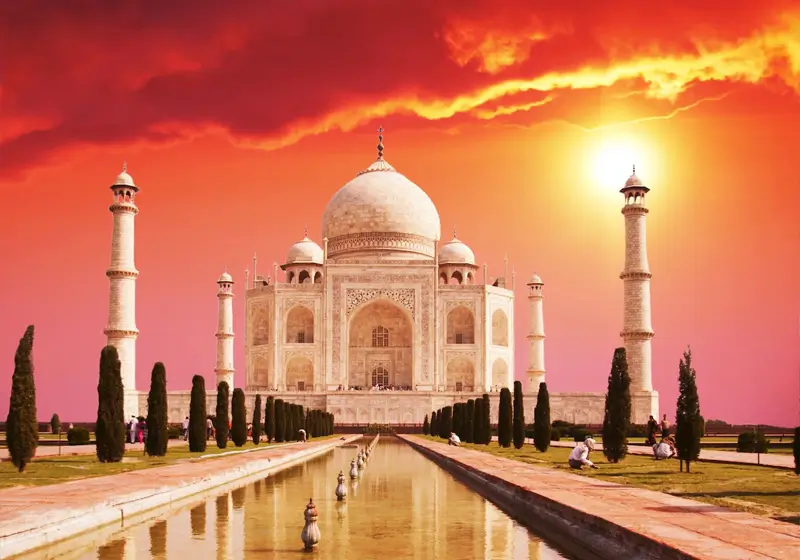
Agra’s legacy lies in the Taj Mahal, and its artisans still practice the ancient art of pietra dura, or marble inlay. Shops around Taj Ganj and Sadar Bazaar display tabletops, coasters, jewellery boxes, and decorative plates with semi-precious stone inlay. Authentic pieces are made with painstaking detail, often taking months to complete.
Tourists must be cautious, as cheap imitations of marble using soapstone are common. Genuine shops will demonstrate how the inlay is crafted, using stones like lapis lazuli and malachite.
Leather Goods
Agra is also one of India’s top leather hubs. Sadar Bazaar and Kinari Bazaar are filled with leather shoes, bags, belts, and jackets. Agra’s juttis (traditional shoes) are especially popular and come in a range of colors and embroidery styles. For international travellers, it is one of the best places to buy durable yet affordable leather.
Carpets and Textiles
Agra has a centuries-old tradition of carpet weaving, influenced by Persian designs. Workshops in Agra still produce hand-knotted carpets that are prized worldwide. Textile markets also offer embroidered kurtas and silk sarees, often sold alongside carpets.
Souvenirs and Local Markets
For small souvenirs, Kinari Bazaar near Jama Masjid is lively, with stalls selling jewelry, glass bangles, wedding items, and decorative pieces. The market is colorful and chaotic, but that is part of its charm.
Tips for Shopping in Agra
Gems and Jewellery
Jaipur is the jewellery capital of India, especially known for gemstones. Johari Bazaar is the hub, lined with shops selling everything from silver trinkets to fine diamond sets. Tourists often look for semi-precious stones like amethyst, garnet, and citrine, cut and polished by skilled artisans. Jaipur is also famous for meenakari (enamel work) and kundan (traditional gem setting).
For authentic purchases, visit reputed jewellers or government-certified shops. Small workshops in the old city also allow visitors to watch artisans polish and set stones.
Textiles and Block Printing
Jaipur’s markets overflow with textiles. Bapu Bazaar and Nehru Bazaar are famous for block-printed bedcovers, tablecloths, and garments. Hand-block printing, a centuries-old craft, is still practiced in villages like Bagru and Sanganer near Jaipur. Buying directly from workshops ensures authenticity and supports local artisans.
Bandhani (tie-dye) and leheriya fabrics are other specialties, often sold in bright colors. These are popular for dupattas, sarees, and turbans.
Blue Pottery and Handicrafts
Jaipur is also home to the unique craft of blue pottery, made from quartz and decorated with cobalt-blue patterns. Vases, plates, and tiles are widely available in the old city shops. Handicrafts like puppets, brassware, and wooden carvings are also worth exploring.
Carpets and Rugs
The city has been a carpet-weaving center since Mughal times. Stores in Bapu Bazaar and MI Road sell wool and silk rugs in traditional Persian and Rajasthani designs.
Tips for Shopping in Jaipur
What makes shopping in Delhi, Agra, and Jaipur unique is the way it blends heritage and craft. These cities are living museums where skills have been passed down for generations. Buying a marble piece in Agra connects you to Mughal artisans. Picking a block-printed bedcover in Jaipur supports rural craft clusters. Purchasing a pashmina or silver bangle in Delhi links you to timeless traditions.
Shopping here is also an immersive experience. Unlike malls where everything feels uniform, bazaars in these cities are full of color, chaos, and charm. Bargaining, sipping chai with shopkeepers, and watching crafts being made are as much a part of the memory as the purchase itself.
Dilli Haat and Janpath are great for crafts, while Chandni Chowk is famous for traditional items.
Marble inlay work, leather goods, and carpets.
Yes, Johari Bazaar is world-famous for gems and jewellery.
In emporiums and certified shops, yes. In bazaars, bargaining is expected.
Genuine marble feels cold and comes with fine inlay, while soapstone imitations feel soft.
Bagru and Sanganer villages near Jaipur are the best.
Yes, in most large shops, but small vendors prefer cash.
Yes, many shops, especially in Agra and Jaipur, offer shipping services.
Agra and Jaipur both have excellent carpet weaving traditions.
Yes, they ensure authenticity and fixed prices, though slightly higher.
Miniature paintings, Kashmiri shawls, handicrafts, and silver jewellery.
Yes, in Jaipur’s block printing villages, Agra’s marble workshops, and Delhi’s craft bazaars.
Fill in the details below. Our expert consultant will respond within 4 hours with a bespoke itinerary crafted just for you — completely free, no obligation.