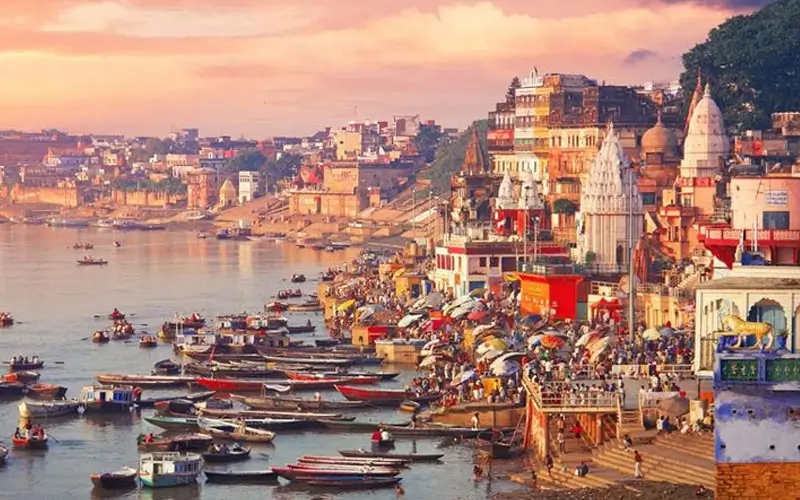
India’s spirituality does not begin at the temple gate, nor does it end with darshan. It flows through rivers, echoes in ancient chants, lives inside household rituals, and rests quietly in sacred spaces that have absorbed centuries of devotion. This is why spiritual tours in India are fundamentally different from religious tourism elsewhere. They are not about visiting holy places as destinations; they are about entering living traditions that continue to shape how millions think, live, and believe.
For devotees, a spiritual tour is rarely motivated by curiosity alone. It is often driven by an inner call. Sometimes that call comes during a major life transition. Sometimes it arises quietly after years of postponement. When devotees finally undertake a spiritual tour in India, they often realize that the journey is less about movement across geography and more about alignment within.
India’s sacred landscape is vast, and without thoughtful structure, it can easily feel overwhelming. This is where a well-planned spiritual journey becomes essential. Understanding which temples belong to which spiritual tradition, how regions differ in worship style, and why certain places are grouped together allows pilgrims to experience depth rather than fatigue.
Long before modern transport existed, India was connected through pilgrimage paths. These routes followed rivers like the Ganga, Yamuna, Godavari, and Kaveri, crossed forests and hills, and linked spiritual centers that shared philosophical roots. Temples emerged along these paths not as isolated structures, but as anchors of collective faith.
Even today, most spiritual tours in India unconsciously follow these ancient routes. When pilgrims travel from Ayodhya to Varanasi, or from Rameswaram to Madurai, they are retracing paths walked by saints, scholars, and devotees for generations.
Understanding this continuity changes the way a spiritual tour is experienced. The journey itself becomes sacred, not just the destination.
Discover India’s sacred destinations with well-planned spiritual tour packages, private car, and a trusted chauffeur for a peaceful journey.
North India’s spirituality is deeply influenced by epics, river worship, and the philosophy of dharma. The temples here are often located within sacred cities rather than standing alone. Worship is intense, emotional, and closely tied to moral ideals.
In Ayodhya, the Ram Mandir represents the spiritual foundation of righteous living. Ayodhya is not a place of dramatic ritual; it is a city of quiet discipline. Devotees who visit Ayodhya often describe a sense of calm rather than excitement, as if the city gently encourages introspection. A spiritual tour including Ayodhya focuses on values, restraint, and ethical balance inspired by Lord Ram’s life.
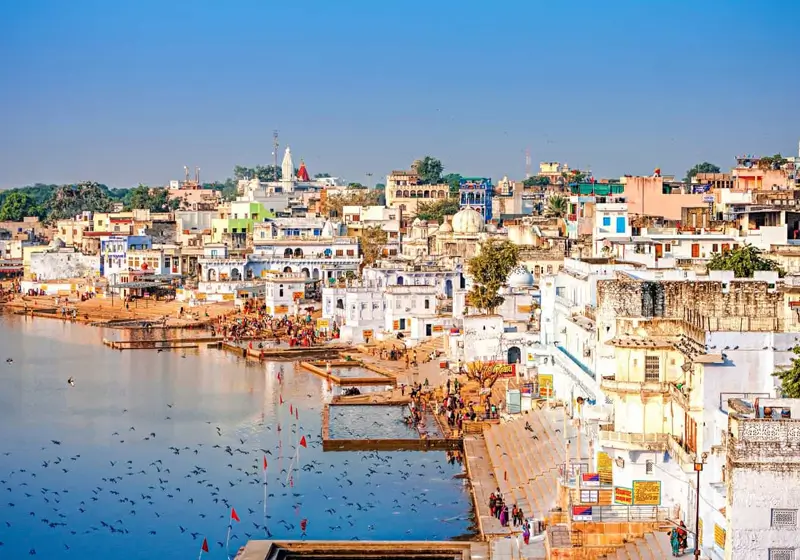
Moving eastward, Varanasi offers a completely different spiritual intensity. Home to the Kashi Vishwanath Temple, Varanasi represents continuity beyond time. Rituals on the ghats of the Ganga unfold daily, reminding pilgrims that life and death are not opposites but parts of the same truth. A spiritual tour here is deeply emotional and transformative, often leaving devotees silent rather than expressive.
In Mathura and Vrindavan, devotion takes the form of love and surrender. Temples dedicated to Lord Krishna resonate with bhajans, stories, and collective worship. Spiritual tours through these towns feel intimate, especially for devotees drawn to bhakti traditions. The emphasis here is not on discipline but on emotional connection.
Further north, Haridwar and Rishikesh mark the transition from devotional worship to inner discipline. Temples and ashrams coexist along the Ganga, where pilgrims engage in prayer, meditation, and reflection. These destinations are often included in spiritual tours for those seeking balance between ritual and self-inquiry.
A North India spiritual tour works best when these places are connected in a thoughtful sequence, allowing pilgrims to move from dharma to devotion and finally toward inner awareness.
South India expresses spirituality through structure, precision, and continuity. Temples here are governed by ancient Agama traditions, where rituals follow exact timings and procedures preserved for centuries. A South India spiritual tour feels markedly different from a North Indian one. Emotion gives way to discipline, and spontaneity yields to order.
In Madurai, the Meenakshi Amman Temple stands as a living city within a city. Worship here is continuous, detailed, and deeply symbolic. Pilgrims are not passive observers; they become part of a daily rhythm that has remained unchanged for generations.
Further south, Rameswaram holds immense significance as one of the Char Dham pilgrimage sites. Ritual bathing, temple corridors, and disciplined worship create an atmosphere of purification and surrender. Spiritual tours including Rameswaram emphasize patience and humility rather than spectacle.
In Tirupati, the Tirumala Venkateswara Temple represents devotion through discipline. Darshan requires effort, waiting, and surrender. For many devotees, this effort itself becomes a form of prayer. A spiritual tour here teaches acceptance and faith beyond comfort.
Moving westward, Udupi introduces a different devotional philosophy centered on simplicity and service. Temples here emphasize daily worship integrated with community life. Spiritual tours through Karnataka often balance temple visits with reflection and rest.
A South India temple tour package succeeds when it respects ritual discipline, educates pilgrims about temple customs, and allows sufficient time for absorption rather than rushing through darshan.
Spiritual destinations operate on their own rhythm. Crowds, rituals, silence, and waiting are all part of the experience. When pilgrims attempt to compress too many temples into a short time, devotion often turns into exhaustion.
A meaningful spiritual tour in India prioritizes fewer destinations with deeper engagement. It allows pilgrims to sit, observe, and reflect. This approach is especially important for senior devotees and families.
The purpose of pilgrimage is not completion, but transformation.
Travel to India’s most sacred places with personalized spiritual tours, private car service, and experienced driver support.
Spiritual travel begins before physical movement. Pilgrims who approach sacred places with expectations often feel dissatisfied. Those who approach with openness often receive more than they imagined.
India’s temples respond differently to different states of mind. Silence speaks louder than words. Patience reveals meaning. A good spiritual tour gently prepares devotees for this inward shift.
Contrary to common belief, group travel does not dilute spirituality when done correctly. Shared silence, collective learning, and guided context often deepen understanding.
Experienced guides explain symbolism without imposing belief. Pilgrims remain free to experience personally. This balance is crucial in a high-quality India spiritual tour package.
Many devotees undertake spiritual tours during retirement, after major life events, or during periods of inner questioning. These journeys act as markers rather than holidays.
India’s sacred routes naturally support such transitions, offering grounding rather than excitement.
In a world driven by speed and consumption, India’s spiritual spaces offer stillness and continuity. Temples do not promise solutions; they offer perspective.
A well-planned spiritual tour leaves devotees quieter, clearer, and more aligned than before.
To deepen faith, reflection, and inner alignment rather than simple sightseeing.
Ayodhya, Varanasi, Mathura, Vrindavan, Haridwar, and Rishikesh are key destinations.
Madurai, Rameswaram, Tirupati, Udupi, and major Tamil Nadu and Karnataka temples.
Yes, when paced thoughtfully with proper support.
Yes, openness and patience greatly enhance the experience.
Yes, they are ideal for multigenerational journeys.
Guidance helps understand rituals and cultural context.
Some destinations are deeply emotional, others calming.
Long enough to allow reflection, not rushed movement.
Because pilgrimage aligns belief, experience, and introspection.
Fill in the details below. Our expert consultant will respond within 4 hours with a bespoke itinerary crafted just for you — completely free, no obligation.