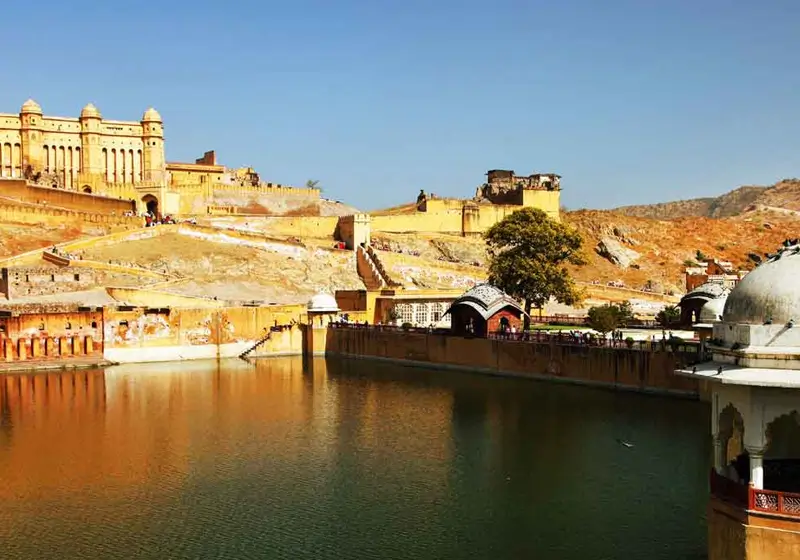
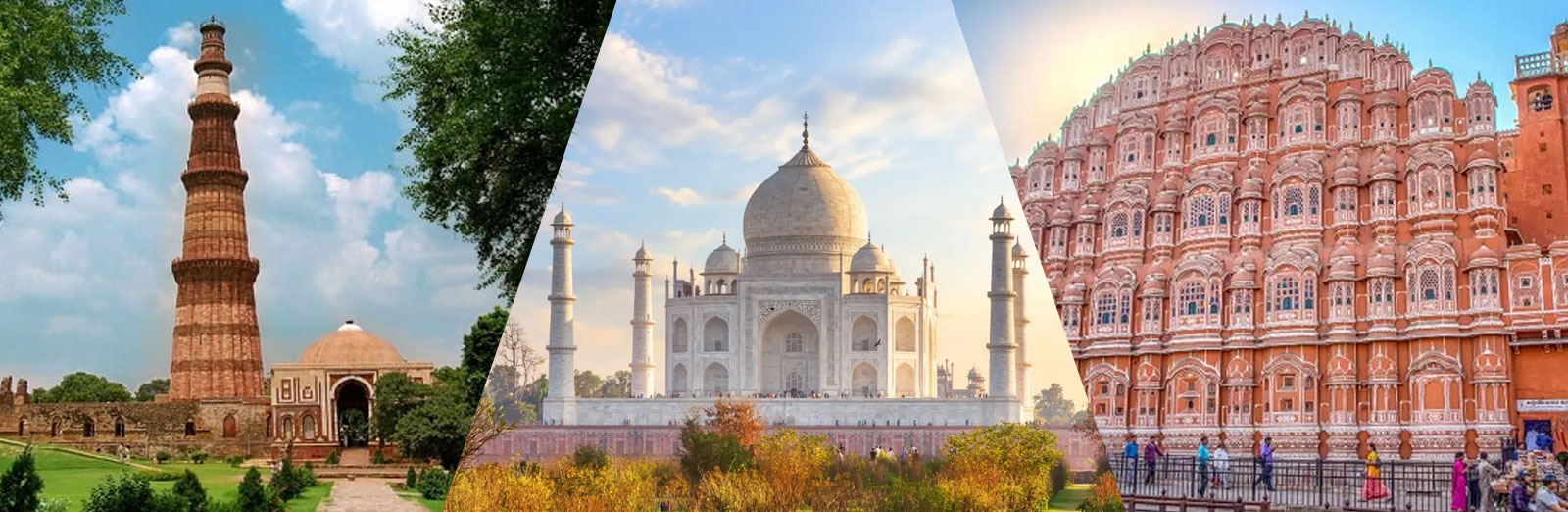
Most international visitors arrive in Rajasthan expecting magnificent forts, royal palaces, colorful bazaars, desert landscapes, and vibrant cultural traditions. While all of these elements certainly define the region, there is another treasure that quietly tells the story of Rajasthan's identity: its extraordinary textile heritage. For travelers interested in culture, craftsmanship, design, fashion, history, and authentic local experiences, a Textile Tour in Rajasthan offers one of the most rewarding journeys available anywhere in India.
Unlike factory-produced fabrics found throughout the modern world, Rajasthan's textiles remain deeply connected to human creativity and centuries-old traditions. Every printed motif, woven pattern, embroidered detail, and dyed fabric carries stories that have passed from one generation to the next. Families that have practiced textile arts for hundreds of years continue to preserve techniques that remain remarkably unchanged despite technological advances and global manufacturing.
A Rajasthan Textile Tour allows travelers to move beyond shopping and gain a deeper understanding of how textiles are created. Visitors step inside artisan workshops, interact directly with craftsmen, observe production methods, and witness the extraordinary patience required to transform raw materials into finished works of art. These experiences provide insights that cannot be gained simply by purchasing a scarf or garment from a market stall.
The textile traditions of Rajasthan evolved over centuries through influences from royal courts, trade routes, desert communities, tribal cultures, and merchant families. Different regions developed distinctive styles based on local resources, cultural preferences, and environmental conditions. As a result, travelers encounter remarkable diversity throughout the state. The block prints of Jaipur differ significantly from the tie-dye traditions of Jodhpur, while the embroidery of western Rajasthan reflects completely different artistic influences than the weaving traditions found elsewhere.
International fashion designers, textile historians, museum curators, and luxury travelers increasingly include Handmade Textile Tours India within their itineraries because Rajasthan offers rare access to living craftsmanship. Unlike destinations where traditional skills have largely disappeared, many communities here continue to practice textile arts as part of everyday life. Visitors are not viewing historical demonstrations created for tourists; they are witnessing authentic production processes that remain economically and culturally relevant.
Another reason textile tourism has become increasingly popular is the growing appreciation for sustainable craftsmanship. Modern consumers are becoming more conscious of where products come from, how they are made, and who creates them. Rajasthan's artisan communities provide a direct connection to these questions. Travelers see the human skill behind handmade products and develop greater appreciation for craftsmanship that cannot be replicated by machines.
The visual appeal of Rajasthan's textiles further enhances the experience. Rich indigos, vibrant reds, earthy yellows, natural whites, intricate floral patterns, geometric motifs, and detailed handwork create a sensory experience that captivates visitors from around the world. For photographers, designers, and creative professionals, textile workshops often become highlights of their journey through India.
Many travelers are surprised to discover that textile tourism also provides meaningful cultural interactions. Conversations with artisans offer insights into family traditions, local customs, economic challenges, and the realities of preserving heritage skills in a rapidly changing world. These personal connections frequently become some of the most memorable aspects of the trip.
A well-planned Textile Heritage Tour Rajasthan therefore offers far more than shopping opportunities. It provides access to living traditions, cultural knowledge, artistic excellence, and human stories that have shaped the identity of Rajasthan for generations. For travelers seeking authentic experiences rather than superficial sightseeing, few journeys are as rewarding or as educational.
Meet master artisans, witness centuries-old printing techniques, and create your own handcrafted masterpiece. Experience the traditions that have made Rajasthan one of the world's most celebrated textile destinations.
Among all of Rajasthan's textile traditions, none is more internationally recognized than hand block printing. Travelers interested in Block Printing Tours Rajasthan often begin their journey in Jaipur and the nearby artisan town of Bagru, where some of India's most respected printing families continue to practice techniques that date back hundreds of years.
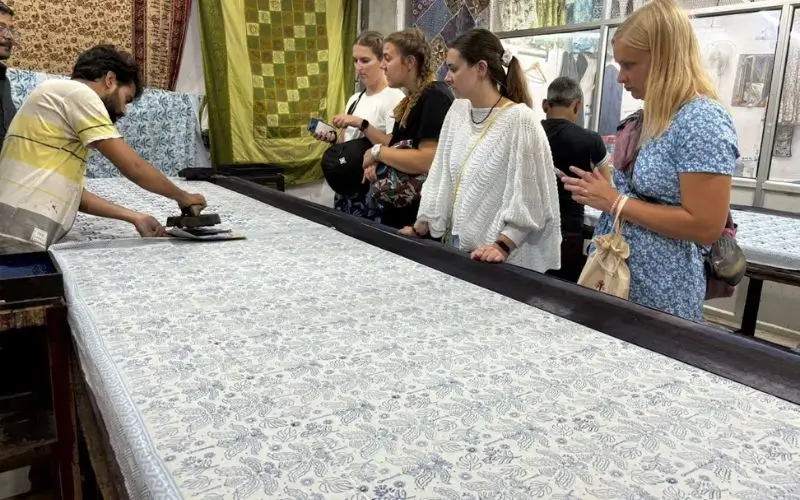
Hand block printing is a meticulous process requiring extraordinary precision, patience, and artistic skill. The journey begins with the carving of wooden blocks. Skilled craftsmen create intricate patterns by hand, often spending days or even weeks completing a single design. These blocks become the foundation of the printing process and may be used for decades when properly maintained.
Visitors touring block printing workshops quickly realize that every stage of production requires expertise. Fabric preparation, dye mixing, block alignment, color layering, drying, washing, and finishing all contribute to the final result. A small mistake at any stage can affect the entire piece, which is why experienced artisans develop their skills over many years of practice.
Bagru is particularly famous for traditional natural dye printing. Unlike synthetic methods used in industrial production, many Bagru artisans continue to work with natural materials derived from plants, minerals, flowers, roots, and other organic sources. These dyes produce subtle, sophisticated colors that age beautifully over time and reflect the region's long-standing commitment to sustainable craftsmanship.
Travelers participating in Textile Workshops in Jaipur often have the opportunity to try block printing themselves. While the activity appears simple at first glance, most visitors quickly appreciate the level of control required to achieve professional results. Aligning patterns accurately and applying consistent pressure demands concentration and practice.
The patterns themselves tell fascinating stories. Many designs draw inspiration from nature, architecture, religious symbolism, or historical influences. Floral motifs remain particularly popular because they reflect Rajasthan's artistic heritage while appealing to contemporary international tastes. Geometric patterns, traditional borders, and intricate repeating designs further demonstrate the creativity of local artisans.
One of the most rewarding aspects of visiting Jaipur's textile workshops is the opportunity to meet families who have preserved these traditions for generations. Many workshops remain family-owned businesses where knowledge passes from parents to children through direct instruction and daily practice. These personal interactions help visitors understand the cultural significance of textile production beyond its commercial value.
International fashion brands increasingly collaborate with Rajasthan's printing communities because consumers value authenticity and craftsmanship. As a result, travelers often recognize patterns and techniques that appear in luxury fashion collections around the world. Seeing their origins firsthand provides valuable context and appreciation for the artisans behind these designs.
The relationship between Jaipur and textile heritage extends beyond production. Museums, design institutions, artisan cooperatives, and educational programs throughout the city contribute to preserving and promoting traditional skills. This ecosystem makes Jaipur one of the most important textile destinations in the world.
For visitors interested in craftsmanship, sustainability, design, or cultural heritage, few experiences are as fascinating as spending time with Rajasthan's master block printers. Their work represents a perfect balance between tradition and innovation, preserving ancient techniques while continuing to evolve for modern audiences.
One of the most compelling aspects of Rajasthan's textile heritage is its long relationship with natural dyes. Long before synthetic coloring agents became widely available, artisans developed sophisticated methods for producing vibrant and durable colors using resources found in nature. Today, growing global interest in sustainability has renewed appreciation for these traditional practices.
Natural dye production begins with careful knowledge of local materials. Different plants, flowers, leaves, roots, minerals, seeds, and bark produce distinct colors and shades. Indigo creates deep blue tones, while other materials generate reds, yellows, browns, greens, and subtle earth colors. The process requires not only artistic understanding but also considerable scientific knowledge accumulated through generations of experimentation.
Visitors participating in Natural Dye Textile Tours India often discover that dye preparation is far more complex than expected. Artisans carefully control temperatures, fermentation periods, ingredient proportions, and application techniques to achieve desired results. Small variations can dramatically affect color outcomes, making consistency a remarkable achievement.
The growing popularity of sustainable fashion has increased international interest in natural dye traditions. Consumers increasingly seek products created using environmentally responsible methods, and Rajasthan's artisan communities possess expertise that aligns perfectly with these values. Rather than relying heavily on industrial chemicals, traditional natural dye systems often utilize renewable resources and environmentally sensitive practices.
For travelers, observing these processes creates a deeper appreciation for handmade textiles. What may initially appear to be a simple piece of fabric becomes a product of extensive knowledge, labor, and creativity. Understanding the journey from raw natural materials to finished textile transforms the way visitors perceive handcrafted products.
Many artisan communities also emphasize responsible resource management. Water conservation, waste reduction, and sustainable sourcing practices are becoming increasingly important as workshops adapt to modern environmental expectations. This combination of traditional knowledge and contemporary sustainability makes Rajasthan particularly relevant to today's global textile industry.
Another fascinating aspect is the unpredictability inherent in natural dyeing. Unlike factory production where exact consistency is often the goal, handmade natural dyes can produce subtle variations that make each textile unique. These variations are celebrated rather than viewed as imperfections because they reflect the authenticity of handcrafted production.
Travelers interested in Sustainable Textile Tourism often find natural dye workshops among the most memorable experiences of their journey. The combination of artistry, science, environmental awareness, and cultural heritage creates a multidimensional learning experience that appeals to a wide range of interests.
The continued survival of these traditions demonstrates the resilience of Rajasthan's artisan communities. Despite competition from mass-produced goods, many workshops continue to thrive by emphasizing quality, authenticity, and sustainability. Their success provides hope for the future preservation of traditional textile arts.
For international visitors seeking meaningful cultural experiences, natural dye workshops offer valuable insights into how traditional knowledge can contribute to contemporary discussions about sustainability, responsible production, and ethical consumption.
While Jaipur and Bagru dominate conversations about block printing, Rajasthan's textile story becomes even more fascinating when travelers venture toward Jodhpur, Pali, and the surrounding regions. Here, visitors encounter one of India's most recognizable textile traditions: Bandhani, the intricate art of hand tie-dyeing that has been practiced for centuries across western Rajasthan.
For many international travelers, Bandhani fabrics are among the first handmade textiles they notice when visiting Rajasthan. The tiny dotted patterns, vibrant colors, and extraordinary detail immediately distinguish these textiles from machine-made alternatives. However, few visitors initially understand the remarkable amount of labor involved in producing even a single piece of authentic Bandhani fabric.
The process begins with artisans carefully tying thousands of tiny knots into the cloth before dyeing. Each knot prevents dye from reaching specific sections of the fabric, creating intricate patterns once the knots are removed. Depending on the complexity of the design, a single garment may require tens of thousands of individual ties completed entirely by hand.
During a Bandhani Textile Tour Rajasthan, travelers often observe artisans working with astonishing speed and precision. Years of experience allow them to create highly detailed patterns without relying heavily on modern tools. The level of concentration required is extraordinary, and visitors quickly develop immense respect for the skill involved.
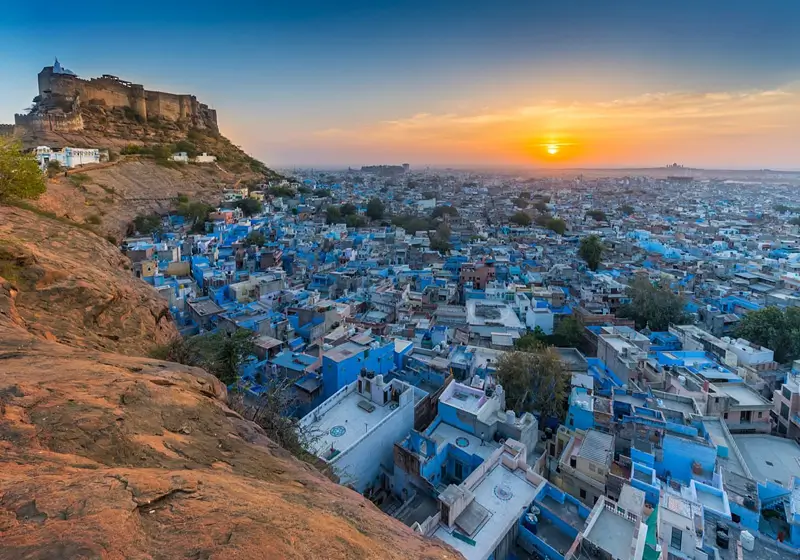
Jodhpur's famous blue architecture creates a striking visual contrast with the vibrant textiles found throughout local markets and workshops. Walking through the city, travelers encounter a dazzling spectrum of colors ranging from bright reds and yellows to deep purples, greens, and indigos. These colors are not merely decorative; many traditional combinations carry cultural significance associated with celebrations, weddings, festivals, and community identity.
Nearby Pali serves as another important center for textile production. The town has long been associated with dyeing and fabric processing, making it a valuable destination for travelers interested in understanding the broader textile supply chain. Workshops here provide insight into how raw fabrics are transformed before reaching artisan communities that specialize in printing, embroidery, or finishing techniques.
One of the most rewarding aspects of visiting these regions is the opportunity to interact directly with artisan families. Many have practiced textile arts for generations, preserving knowledge that has been passed down through oral traditions and hands-on instruction. Conversations with these craftsmen and craftswomen often reveal fascinating stories about changing markets, evolving consumer preferences, and the challenges of maintaining traditional skills in a rapidly modernizing world.
For photographers, designers, and creative professionals, the visual richness of Jodhpur and Pali provides endless inspiration. The combination of historic architecture, colorful textiles, artisan workshops, and desert landscapes creates an environment unlike anywhere else in the world.
A Handmade Textile Heritage Tour through western Rajasthan therefore offers far more than shopping opportunities. It provides a deeper understanding of how artistry, culture, family traditions, and economic livelihoods remain interconnected through textile production. Visitors leave with not only beautiful fabrics but also a greater appreciation for the human stories woven into every piece.
Every handwoven thread and hand-block print carries generations of artistry. Explore Rajasthan's legendary textile heritage through exclusive artisan workshops, live demonstrations.
Beyond printing and dyeing, Rajasthan possesses a rich tradition of embroidery that adds another layer of complexity to its textile heritage. For travelers seeking authentic cultural experiences, visiting embroidery communities offers unique insights into artistic traditions that continue to flourish across rural regions of the state.
Embroidery in Rajasthan varies significantly from one community to another. Different groups have developed distinctive styles, motifs, stitching methods, and decorative techniques based on local customs and cultural influences. These differences make embroidery tours particularly fascinating because travelers encounter remarkable diversity within relatively short distances.
Many embroidery traditions remain closely associated with women's craftsmanship. In numerous villages, embroidery serves not only as an artistic practice but also as an important source of household income. Women create intricate textiles, garments, accessories, and decorative items that are sold both locally and internationally. Participating in a Rajasthan Artisan Tour allows travelers to witness how these skills contribute to economic empowerment while preserving cultural heritage.
The level of detail found in handmade embroidery is often astonishing. Tiny mirrors, colorful threads, geometric patterns, floral motifs, and symbolic designs are combined with extraordinary precision. Some pieces require weeks or even months to complete, reflecting a commitment to craftsmanship rarely seen in mass-produced goods.
Visitors frequently describe interactions with embroidery artisans as among the most memorable experiences of their journey. Unlike conventional tourist attractions, artisan workshops create opportunities for genuine cultural exchange. Travelers learn about daily life, family traditions, local customs, and the personal significance of textile arts within the community.
Embroidery also plays an important role in Rajasthan's ceremonial and social traditions. Wedding garments, festive clothing, household decorations, and religious textiles often feature elaborate handwork that reflects both artistic skill and cultural identity. Understanding these connections helps visitors appreciate textiles as expressions of community values rather than simply decorative objects.
The preservation of embroidery traditions faces challenges similar to those confronting other forms of handmade craftsmanship. Younger generations sometimes pursue alternative careers, while competition from machine-made products affects traditional markets. Nevertheless, many communities continue to adapt successfully by combining heritage techniques with contemporary design influences.
For culturally curious travelers, spending time with embroidery artisans provides valuable perspectives on resilience, creativity, and cultural continuity. These experiences demonstrate how traditional knowledge remains relevant in modern society while contributing to sustainable tourism and heritage preservation.
As interest in Ethical Tourism in Rajasthan continues to grow, artisan-focused experiences have become increasingly important. Visitors appreciate opportunities to support local communities directly while gaining deeper understanding of regional traditions. Embroidery workshops exemplify this approach by creating meaningful connections between travelers and the people responsible for preserving Rajasthan's artistic legacy.
The growing global appreciation for craftsmanship has transformed Rajasthan into one of the world's most attractive destinations for luxury textile tourism. High-end travelers increasingly seek experiences that combine cultural authenticity with exceptional service, personalized access, and meaningful engagement with artisan communities.
A well-designed Luxury Textile Tour Rajasthan goes far beyond traditional shopping excursions. Instead of simply visiting retail stores, travelers gain behind-the-scenes access to workshops, design studios, artisan homes, and heritage production centers. These experiences provide opportunities to meet master craftsmen, observe production processes, and learn directly from experts who have dedicated their lives to textile arts.
Jaipur serves as the primary gateway for luxury textile experiences. The city's reputation as a center for design, craftsmanship, and heritage attracts visitors from around the world. Many luxury itineraries include private workshop visits, curated shopping experiences, and meetings with artisans who produce textiles for international fashion brands and prestigious design houses.
One advantage of luxury textile travel is the ability to access customized experiences. Travelers may commission bespoke garments, collaborate on design concepts, or purchase exclusive pieces unavailable through conventional retail channels. Such opportunities create memorable connections between visitors and the products they acquire.
Luxury travelers are also increasingly interested in sustainability and ethical sourcing. Rajasthan's artisan communities align naturally with these values because many workshops emphasize handmade production, traditional techniques, and responsible resource use. Understanding the origins of products enhances their perceived value while supporting more conscious purchasing decisions.
Another appealing aspect of luxury textile tourism is the educational component. Expert guides often provide historical context, technical explanations, and cultural insights that enrich the overall experience. Travelers gain deeper understanding of how textiles reflect regional identities, trade histories, artistic influences, and social traditions.
The combination of luxury hospitality and artisan experiences creates a particularly rewarding travel style. Guests may spend mornings exploring workshops, afternoons enjoying heritage hotels, and evenings discussing craftsmanship over traditional cuisine. This balance of comfort and cultural immersion appeals strongly to discerning international visitors.
Textile-focused itineraries also integrate well with broader Rajasthan travel experiences. Travelers can combine artisan visits with palace tours, culinary experiences, wildlife excursions, and cultural activities, creating multidimensional journeys that appeal to diverse interests.
For visitors seeking authentic luxury rather than superficial extravagance, Rajasthan's textile heritage offers extraordinary opportunities. The chance to connect directly with master artisans while experiencing exceptional hospitality creates travel memories that remain meaningful long after returning home.
As travel preferences evolve, many visitors are moving away from passive sightseeing toward experiences that offer deeper engagement with local cultures. Textile tourism exemplifies this shift because it combines education, cultural immersion, sustainability, creativity, and personal interaction in ways that traditional tourism often cannot.
A Textile Tour in Rajasthan allows travelers to understand the people behind the products they encounter throughout their journey. Rather than viewing textiles as simple souvenirs, visitors gain appreciation for the skills, labor, creativity, and cultural knowledge embedded within every handmade piece.
These experiences also support artisan communities directly. Tourism revenue helps sustain traditional livelihoods while encouraging younger generations to continue learning heritage skills. In this way, travelers contribute to cultural preservation while benefiting from authentic interactions and educational opportunities.
The growing interest in craftsmanship reflects broader global trends. Consumers increasingly value authenticity, sustainability, transparency, and human connection. Rajasthan's textile heritage embodies all of these qualities. Visitors witness production processes firsthand, meet artisans personally, and develop deeper understanding of responsible consumption.
Another important benefit is the creation of meaningful memories. While many travel experiences are quickly forgotten, personal interactions with artisans often leave lasting impressions. Learning a traditional technique, hearing family stories, or observing exceptional craftsmanship creates emotional connections that enrich the travel experience.
Textile tourism also encourages slower, more mindful exploration. Rather than rushing between attractions, travelers spend time observing, learning, and engaging with local communities. This approach often leads to greater cultural understanding and more satisfying journeys overall.
For international visitors seeking experiences that combine beauty, history, sustainability, and human connection, Rajasthan's textile heritage offers exceptional value. The region's artisan traditions provide access to living culture in a form that remains relevant, inspiring, and deeply rewarding.
Whether the journey focuses on block printing, natural dyeing, embroidery, weaving, or artisan communities, travelers leave with a richer understanding of Rajasthan and a renewed appreciation for handmade craftsmanship in an increasingly industrialized world.
Popular purchases include hand block printed fabrics, scarves, quilts, garments, embroidered textiles, home furnishings, and naturally dyed fabrics.
Yes. Jaipur is part of the Golden Triangle, making textile experiences easy to include within broader cultural itineraries.
Absolutely. Many designers, researchers, historians, and textile students visit Rajasthan specifically to study traditional techniques.
Their vibrant colors, traditional techniques, artisan craftsmanship, cultural significance, and centuries-old heritage make them unique.
Many traditional textiles are still produced using handmade methods including block printing, embroidery, weaving, and natural dyeing.
Yes. Many artisan workshops offer hands-on experiences where visitors can learn and practice block printing techniques.
Bandhani is a traditional tie-dye technique in which thousands of tiny knots are tied into fabric before dyeing to create intricate patterns.
Bagru is internationally known for traditional hand block printing and natural dye textile production.
Jaipur is the most popular starting point because of its famous block printing workshops, textile markets, and artisan communities.
A textile tour is a cultural journey focused on visiting artisan workshops, block printing centers, embroidery communities, weaving studios, and traditional textile production areas.
A textile tour is a cultural journey focused on visiting artisan workshops, block printing centers, embroidery communities, weaving studios, and traditional textile production areas.
Jaipur is the most popular starting point because of its famous block printing workshops, textile markets, and artisan communities.
Bagru is internationally known for traditional hand block printing and natural dye textile production.
Bandhani is a traditional tie-dye technique in which thousands of tiny knots are tied into fabric before dyeing to create intricate patterns.
Yes. Many artisan workshops offer hands-on experiences where visitors can learn and practice block printing techniques.
Many traditional textiles are still produced using handmade methods including block printing, embroidery, weaving, and natural dyeing.
Their vibrant colors, traditional techniques, artisan craftsmanship, cultural significance, and centuries-old heritage make them unique.
Absolutely. Many designers, researchers, historians, and textile students visit Rajasthan specifically to study traditional techniques.
Yes. Jaipur is part of the Golden Triangle, making textile experiences easy to include within broader cultural itineraries.
Popular purchases include hand block printed fabrics, scarves, quilts, garments, embroidered textiles, home furnishings, and naturally dyed fabrics.
Fill in the details below. Our expert consultant will respond within 4 hours with a bespoke itinerary crafted just for you — completely free, no obligation.