Travelers visiting India often expect to see historic monuments, grand palaces, and breathtaking landscapes. While these attractions are undeniably impressive, many visitors discover that some of their most memorable experiences happen in places far more ordinary yet incredibly vibrant—local markets. Across India, markets are not just places to buy things. They are living cultural spaces where traditions, commerce, craftsmanship, and everyday life come together.
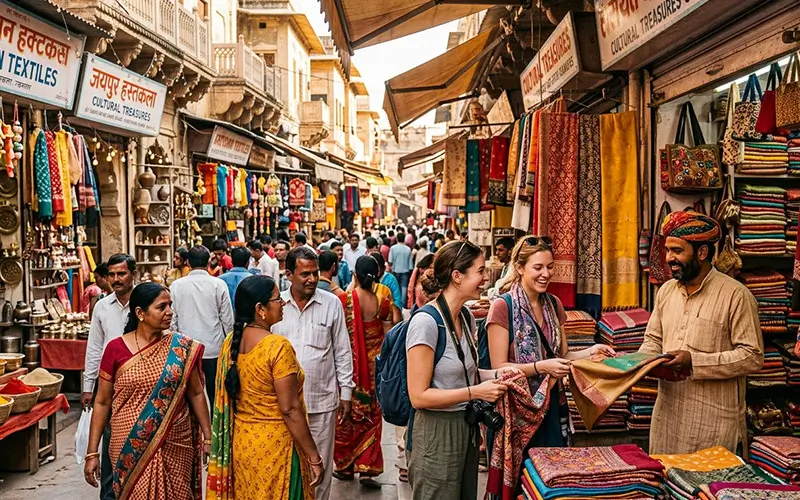
Indian markets are full of color, sound, movement, and energy. Walking through a busy bazaar reveals layers of culture that cannot be experienced inside museums or monuments. Vendors call out to customers, artisans display handcrafted goods, the aroma of spices fills the air, and shoppers negotiate prices with friendly enthusiasm. This lively atmosphere creates an immersive experience that allows travelers to understand the true rhythm of Indian life.
The charm of Indian markets and bazaars lies in their diversity. Each city offers its own style of market shaped by regional traditions, local crafts, and historical influences. From centuries-old bazaars in Delhi to handicraft markets in Rajasthan and spice markets in southern India, every market tells a story about the community that surrounds it.
For many travelers, exploring these markets becomes one of the most authentic ways to experience India.
In many Indian cities, markets function as the cultural and economic center of everyday life. These spaces have existed for centuries and continue to play an essential role in connecting communities. Unlike modern shopping malls that focus on convenience and uniformity, traditional markets reflect the unique character of each region.
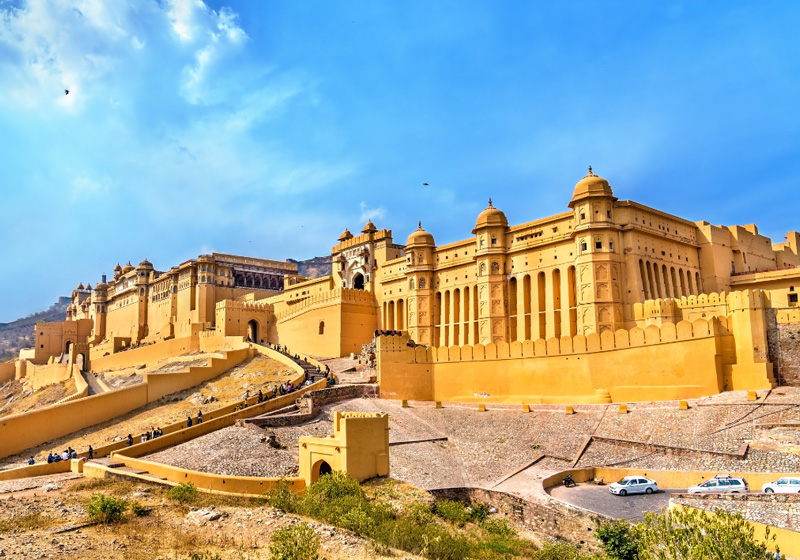
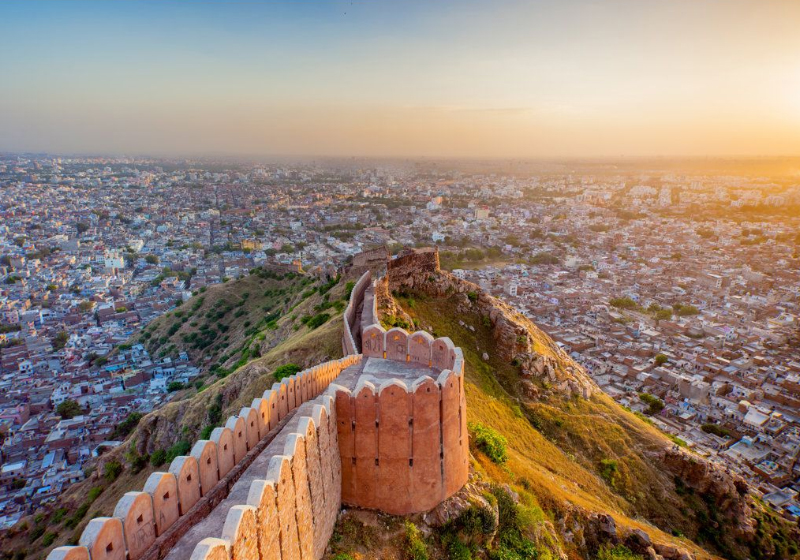
Many famous bazaars developed around historic trade routes and royal cities. For example, the markets of Jaipur were carefully designed during the city’s founding in the eighteenth century. Streets were organized according to specific crafts, with different areas dedicated to jewelry, textiles, spices, or metalwork.
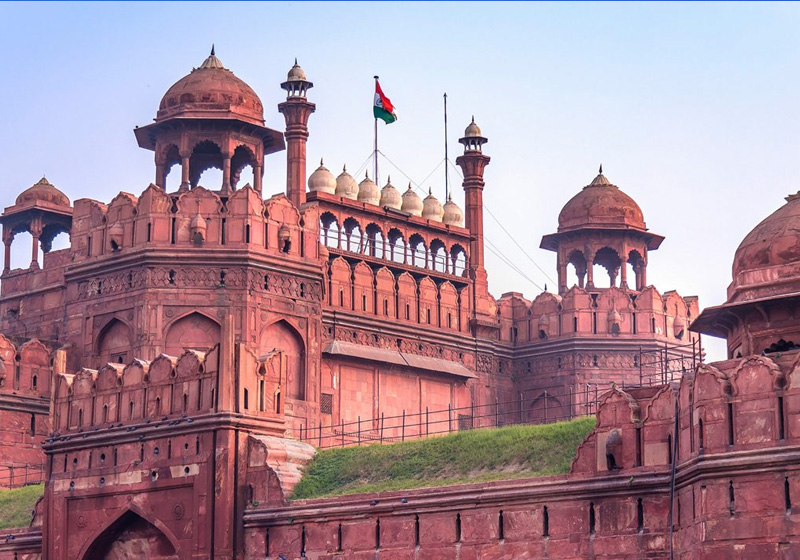
Similarly, markets in Delhi have evolved over hundreds of years, reflecting the influence of Mughal rulers, colonial traders, and modern entrepreneurs. Walking through these areas allows travelers to experience layers of history while observing how commerce continues to shape daily life.
These bustling environments make traditional Indian bazaars more than commercial spaces—they are cultural landmarks that reveal how cities have grown and changed over time.
From bustling bazaars to hidden local gems, explore the true essence of India through its vibrant markets. Let us guide you to the best shopping experiences, authentic crafts, and unforgettable cultural encounters.
Chat On WhatsApp Contact UsOne of the most captivating aspects of Indian markets is the incredible variety of goods available. Stalls are filled with textiles, handcrafted jewelry, pottery, spices, artwork, and decorative items that reflect centuries of craftsmanship.
India has long been known for its textile traditions, and markets are often the best places to see these skills in action. Handwoven fabrics, embroidered garments, and block-printed textiles showcase the artistry of regional artisans.
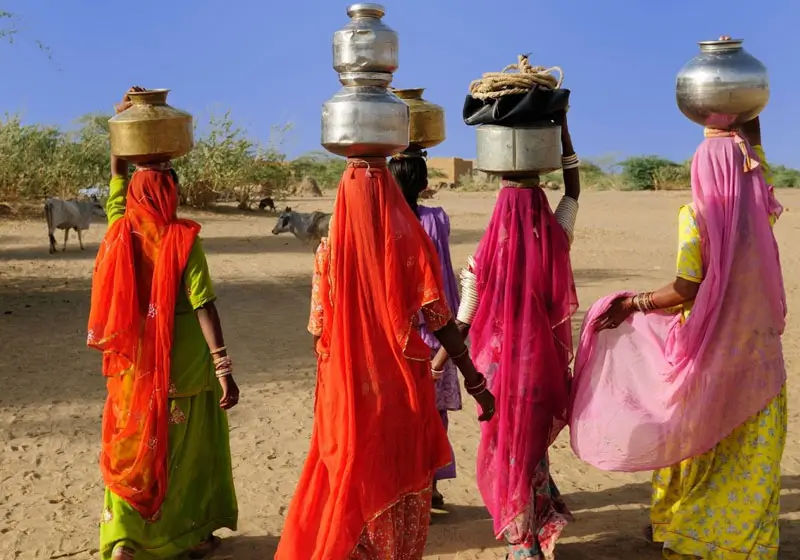
In Rajasthan, visitors often encounter vibrant fabrics, mirror work embroidery, and traditional turbans. In Gujarat, markets display intricate embroidery and beadwork. Southern markets often feature silk sarees and cotton garments woven using techniques passed down through generations.
These products represent more than simple souvenirs. They are expressions of cultural identity and artistic heritage. By purchasing handmade items directly from artisans or small vendors, travelers support local communities and help preserve traditional craft industries.
For visitors interested in handicraft shopping in India, markets provide a fascinating window into the country’s creative traditions.
Markets in India are also famous for their street food. For many travelers, tasting local snacks in busy market streets becomes one of the highlights of their journey.
Street food vendors prepare a wide range of dishes using fresh ingredients and traditional recipes. From spicy chaats and crispy snacks to sweet desserts and refreshing drinks, markets offer flavors that reflect the culinary identity of each region.
In Delhi’s markets, visitors often encounter famous snacks such as chaat, samosas, and jalebi. Jaipur’s bazaars feature kachoris and traditional sweets. Markets in southern India serve dosas, idlis, and coconut-based delicacies.
Eating in market environments allows travelers to observe the preparation of dishes while interacting with local vendors. These experiences create opportunities for cultural exchange and culinary exploration.
For many visitors, discovering Indian street food markets becomes a memorable part of their travel experience.
Shopping in Indian markets often involves bargaining. Unlike fixed-price stores, many traditional markets encourage friendly negotiation between buyers and sellers. This process is not only about finding a good price but also about creating an engaging interaction between vendor and customer.
Bargaining typically begins with a vendor quoting a price, followed by a customer suggesting a lower offer. Through conversation and negotiation, both sides eventually reach an agreement.
For travelers unfamiliar with bargaining, the process may initially feel unusual. However, it is often conducted with humor and friendliness. Vendors expect negotiation and often enjoy the interaction.
Understanding this aspect of shopping in Indian markets helps visitors navigate bazaars more comfortably and enjoy the experience rather than feeling uncertain about prices.
Many markets in India are centuries old and reflect the historical development of cities. Walking through these markets allows travelers to experience environments that have existed since the time of royal courts and ancient trade networks.
In Delhi, Chandni Chowk remains one of the most famous historic markets in India. Established during the Mughal period, it continues to function as a vibrant commercial hub filled with narrow lanes and traditional shops.
Jaipur’s markets such as Johari Bazaar and Bapu Bazaar were designed according to the city’s royal planning principles. Their colorful storefronts and symmetrical streets reflect the architectural vision of Jaipur’s founders.
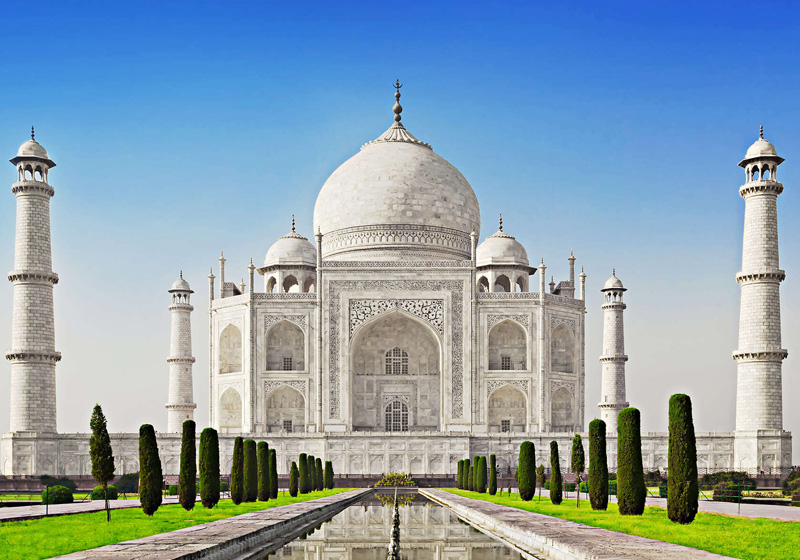
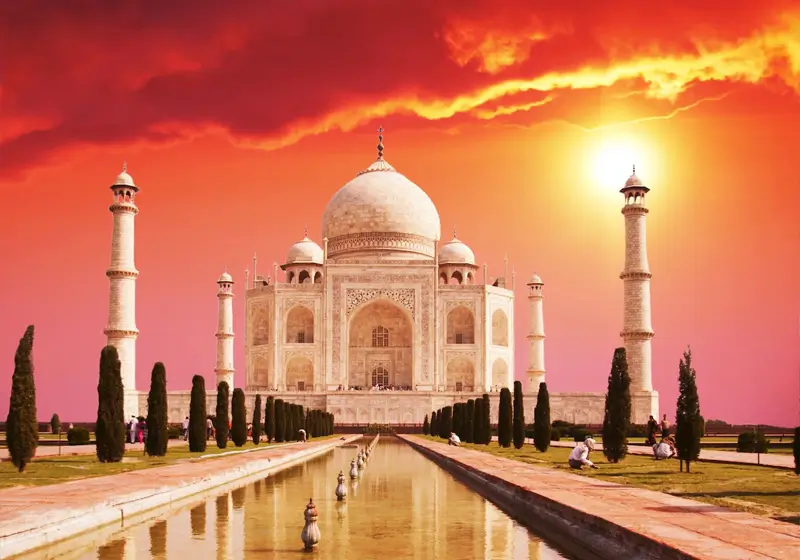
Agra’s markets near the Taj Mahal offer marble handicrafts and Mughal-inspired artwork that connect modern commerce with historic craftsmanship.
These historic marketplaces reveal how trade, culture, and architecture have shaped Indian cities for generations.
While markets are often associated with buying goods, they also provide valuable opportunities to observe everyday life. These environments reveal how people interact, communicate, and celebrate their cultural traditions.
Vendors chatting with neighbors, artisans demonstrating their skills, and families shopping together all contribute to the dynamic atmosphere of markets.
Travelers who spend time in these spaces often gain insights that go beyond guidebooks. Markets allow visitors to witness how culture is expressed through daily activities such as cooking, crafting, and trading.
These interactions make Indian bazaar culture one of the most engaging aspects of travel in the country.
Wander through lively streets filled with colors, aromas, and handcrafted treasures. From hidden bazaars to famous shopping spots, enjoy a guided experience that brings you closer to the real heartbeat of India.
Chat On WhatsApp Contact UsIn many communities, markets serve as social gathering places where people meet friends, exchange news, and celebrate festivals. During special occasions such as Diwali or Eid, markets become even more lively with decorations, music, and festive shopping.
Local residents often visit markets not only to buy goods but also to experience the lively atmosphere and social interactions.
Travelers who visit during these festive periods witness the vibrant energy that defines Indian public life.
These moments reveal how markets function as important cultural spaces that bring communities together.
Exploring markets across India offers travelers a deeper understanding of the country’s cultural richness. Every market reflects the traditions, craftsmanship, and lifestyles of the communities that surround it.
From colorful textiles and handcrafted jewelry to aromatic spices and street food stalls, markets showcase the diversity that defines India.
Visitors who take time to wander through these bustling spaces often find that they learn more about the country than they expected.
The true magic of Indian markets and bazaars lies not only in what travelers buy but also in the cultural experiences they gain along the way.
They offer vibrant culture, street food, handicrafts, and local shopping experiences.
Textiles, handicrafts, jewelry, spices, artwork, and traditional souvenirs.
Yes, bargaining is part of the shopping culture.
Most markets are safe when travelers remain aware of their surroundings.
Delhi, Jaipur, Agra, Udaipur, and Mumbai are known for vibrant markets.
Yes, many markets offer popular street food specialties.
Most markets operate daily but may close on specific local holidays.
Yes, many artisans sell handcrafted items directly.
Yes, many centuries-old markets remain busy commercial centers.
They offer authentic cultural experiences beyond monuments.
Fill in the details below. Our expert consultant will respond within 4 hours with a bespoke itinerary crafted just for you — completely free, no obligation.