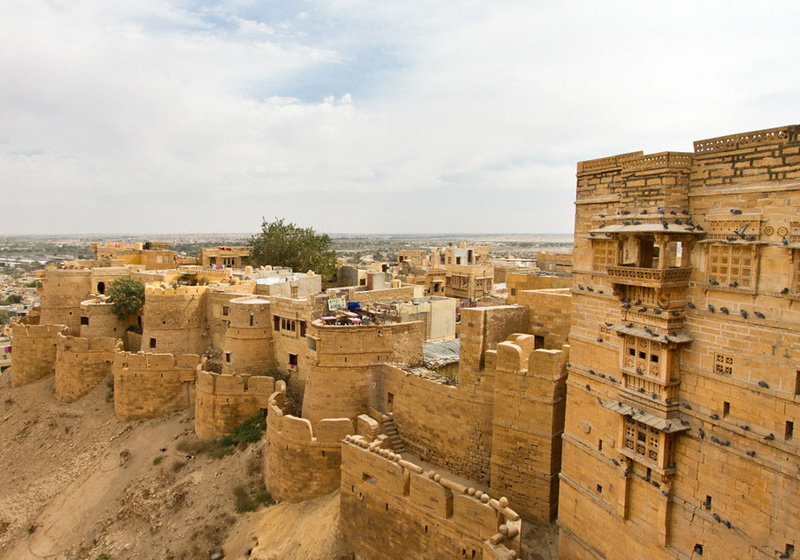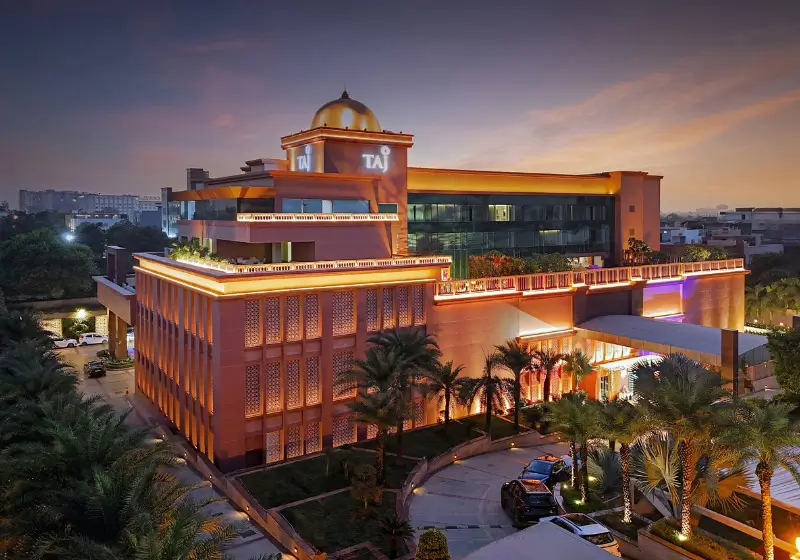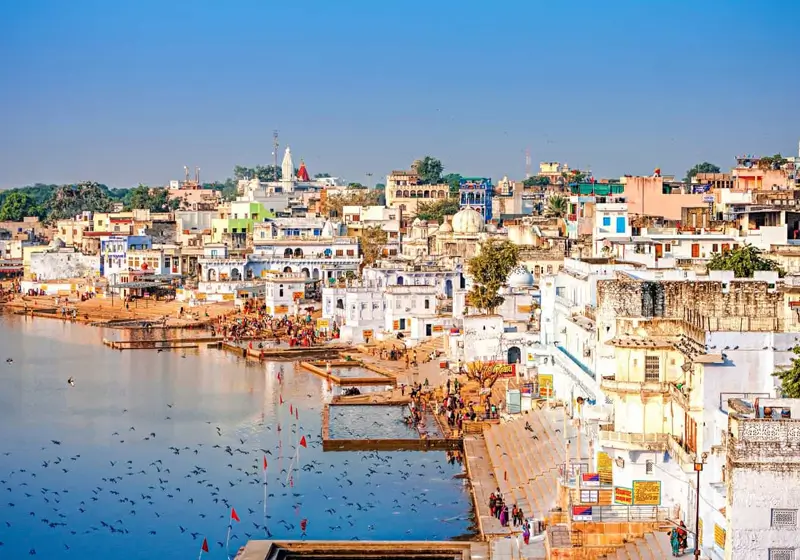
Travel trends across the world have been changing rapidly over the past decade. Modern travelers are no longer satisfied with simply visiting famous landmarks, taking photographs, and moving on to the next destination. Instead, they increasingly want to experience the culture, traditions, food, and lifestyle of the places they visit. This shift has given rise to a powerful global trend known as experiential tourism.
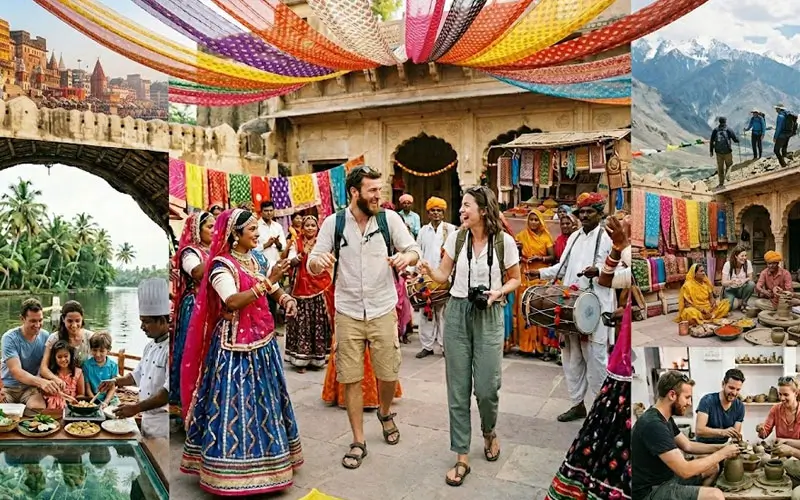
India has become one of the most exciting destinations for experiential travel because the country offers an extraordinary range of cultural, historical, and lifestyle experiences. Travelers can participate in cooking classes in local homes, explore villages with local guides, attend traditional festivals, learn about ancient crafts, or take part in spiritual practices that have been followed for centuries.
Rather than observing India from a distance, experiential tourism encourages visitors to actively participate in the life of the destination. This deeper level of engagement often creates more meaningful and memorable travel experiences.
As a result, experiential tourism in India is becoming increasingly popular among international travelers seeking authentic connections with the country.
Experiential tourism focuses on immersive travel experiences that allow visitors to engage with the local culture, traditions, and communities of a destination. Instead of simply visiting monuments or museums, travelers become participants in activities that reveal how people live, cook, celebrate, and work.
For example, instead of only visiting a historic palace, travelers might stay in a heritage property where they learn about royal traditions and architecture. Instead of simply tasting local food at restaurants, they might visit a market with a local host and then cook traditional dishes together.
These activities allow travelers to see beyond the surface of tourism and understand the cultural stories behind everyday life.
The growing interest in authentic travel experiences in India reflects a desire among travelers to create deeper connections with the destinations they explore.
India’s cultural diversity makes it an ideal destination for experiential travel. With hundreds of languages, religions, and regional traditions, every part of the country offers unique cultural activities.
Travelers might participate in traditional dance workshops in Rajasthan, attend temple ceremonies in Tamil Nadu, or observe ancient rituals along the Ganges River in Varanasi. These experiences allow visitors to witness traditions that have been practiced for generations.
Festivals also provide extraordinary cultural immersion. Celebrations such as Diwali, Holi, and Navratri transform cities into vibrant cultural stages filled with music, dance, and colorful decorations.
Experiencing these traditions firsthand gives travelers a deeper appreciation for Indian cultural tourism and the values that shape local communities.
Discover India through authentic local experiences, cultural interactions, and hidden gems that go beyond the usual tourist spots. Let us design a journey that connects you with the real essence of India.
Chat On WhatsApp Contact UsFood plays a major role in experiential tourism. India’s culinary traditions vary dramatically from region to region, and travelers increasingly want to explore these flavors in authentic settings.
Cooking classes in local homes have become particularly popular. Visitors often begin by visiting local markets to learn about spices, vegetables, and cooking ingredients. Afterward, they participate in preparing traditional dishes using family recipes passed down through generations.
Street food tours are another popular experience. Guided walks through food markets allow travelers to taste regional specialties while learning about the history and preparation of each dish.
These culinary activities provide insight into the culture and traditions behind Indian food tourism experiences.
For many travelers, cooking and dining with local hosts becomes one of the most memorable parts of their journey.
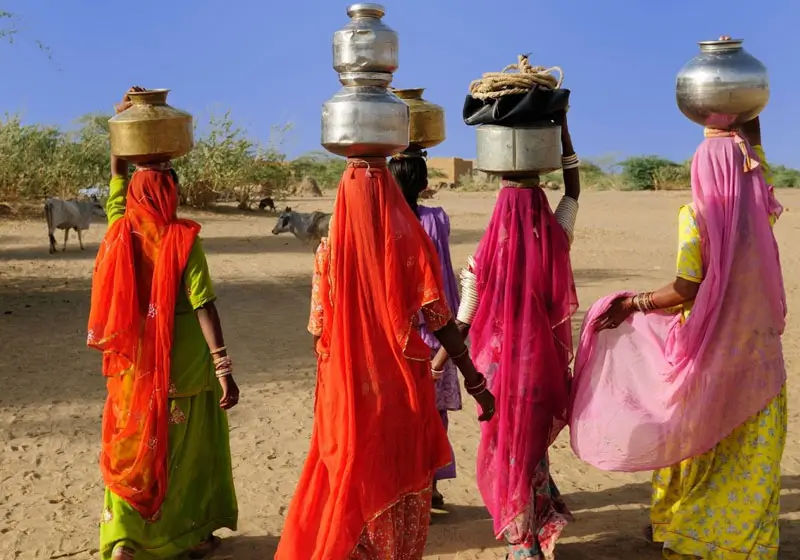
While major cities attract most tourists, rural India offers some of the most authentic experiential travel opportunities. Village experiences allow visitors to observe traditional lifestyles that remain closely connected to agriculture, crafts, and local traditions.
Travelers may visit farming communities where they learn about traditional agricultural practices or observe artisans creating handmade textiles, pottery, or jewelry.
Walking through village markets, interacting with local families, and participating in daily activities provide a deeper understanding of rural culture.
These experiences highlight the beauty of rural tourism in India, where travelers can connect with communities and appreciate simpler ways of life.
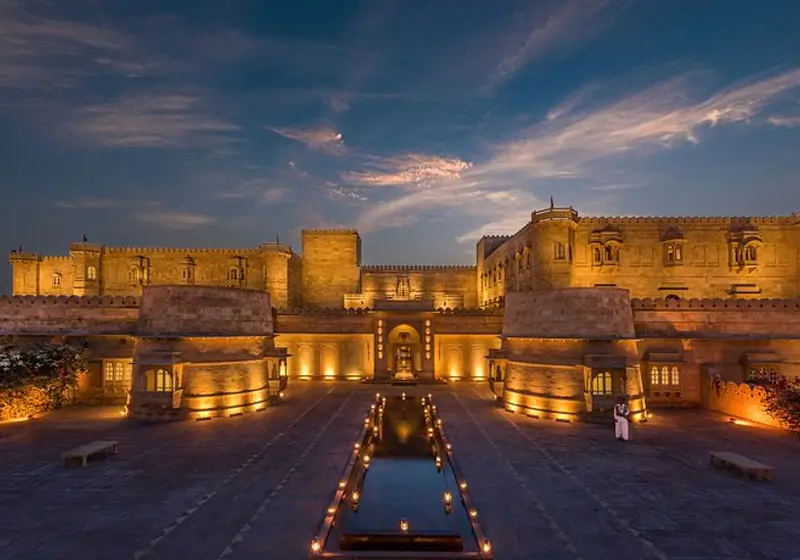
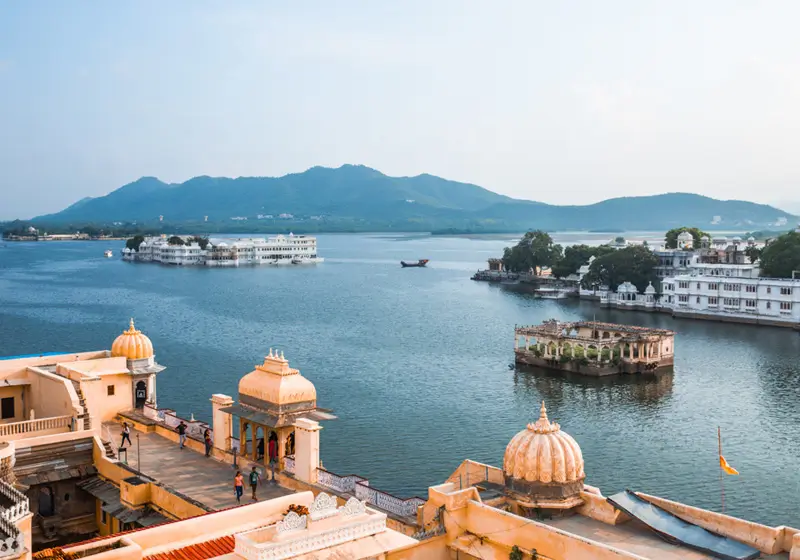
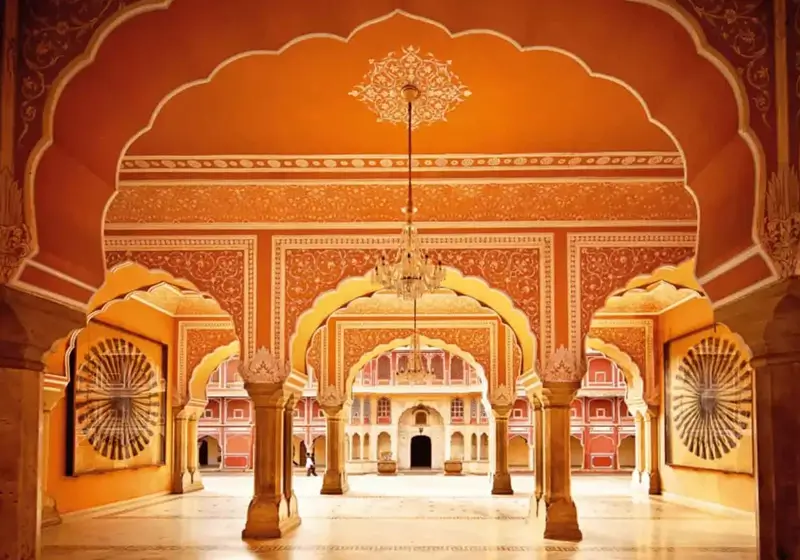
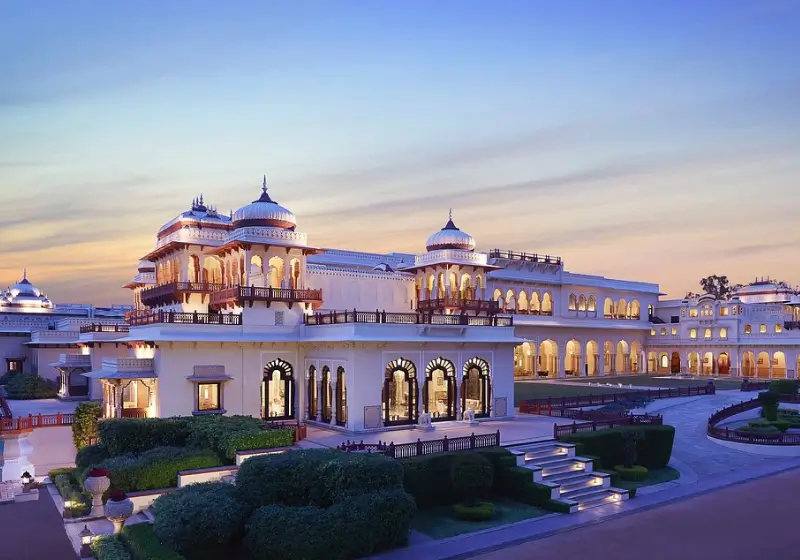
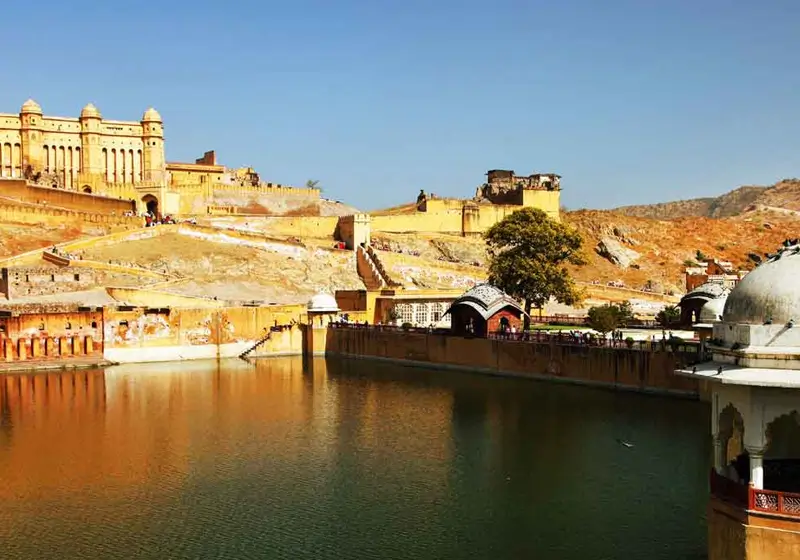
India’s historic palaces, forts, and mansions have been transformed into heritage hotels that offer travelers the chance to experience royal lifestyles from past centuries.
Staying in a palace hotel often includes guided tours of historic rooms, storytelling sessions about royal families, and cultural performances in palace courtyards.
Guests may dine in grand halls, relax in beautifully restored gardens, or participate in activities inspired by royal traditions.
These experiences allow travelers to immerse themselves in the grandeur of heritage tourism in India while enjoying modern comfort.
For many visitors, staying in a heritage property becomes a highlight of their trip.
India’s national parks and wildlife reserves also play an important role in experiential tourism. Safaris allow travelers to explore forests, grasslands, and wetlands while observing animals in their natural habitats.
Guided safaris provide educational experiences where naturalists explain animal behavior, conservation efforts, and the ecological importance of protected areas.
Beyond wildlife sightings, travelers often experience the peaceful beauty of nature, sunrise landscapes, and the sounds of forests waking at dawn.
These immersive activities contribute to the growth of wildlife tourism in India.
India is widely known as a destination for spiritual exploration and wellness retreats. Many travelers come to the country seeking meditation, yoga, and holistic healing practices.
Destinations such as Rishikesh, Dharamshala, and Kerala host wellness centers that offer yoga training, meditation sessions, and Ayurvedic treatments.
These programs allow visitors to relax, reflect, and reconnect with themselves in peaceful natural environments.
The popularity of wellness tourism in India continues to grow as travelers search for meaningful experiences that support both physical and mental well-being.
Discover India through authentic local experiences, cultural interactions, and hidden gems that go beyond the usual tourist spots. Let us design a journey that connects you with the real essence of India.
Chat On WhatsApp Contact UsLocal guides play an essential role in creating authentic travel experiences. Their knowledge of history, culture, and traditions helps travelers understand the deeper stories behind places they visit.
Guides often introduce travelers to hidden neighborhoods, local markets, traditional workshops, and community events that might otherwise remain unnoticed.
These personalized experiences make journeys more engaging and informative.
By connecting travelers with local communities, guides enhance the value of personalized travel experiences in India.
The growing popularity of experiential tourism reflects a broader shift in how people approach travel. Instead of collecting destinations, modern travelers increasingly want meaningful memories and cultural understanding.
India’s diversity, traditions, and hospitality make it perfectly suited for this style of travel. Whether learning to cook regional dishes, exploring villages, staying in heritage palaces, or participating in spiritual practices, visitors can engage deeply with the country.
These experiences transform travel into a journey of discovery rather than simply a sightseeing itinerary.
As travelers continue seeking authentic and meaningful adventures, experiential tourism in India will remain one of the most exciting trends shaping the future of travel.
It focuses on immersive cultural experiences instead of traditional sightseeing.
Travelers want authentic cultural and local interactions.
Cooking classes, village tours, cultural workshops, and heritage stays.
Yes, culinary tours and cooking experiences attract many travelers.
Yes, many historic palaces operate as luxury heritage hotels.
Yes, many villages offer cultural and agricultural experiences.
Yes, safaris provide immersive nature experiences.
Yes, festivals are a major part of cultural travel.
Yes, yoga retreats and Ayurvedic programs are popular.
It offers deeper cultural understanding and memorable experiences.
Fill in the details below. Our expert consultant will respond within 4 hours with a bespoke itinerary crafted just for you — completely free, no obligation.