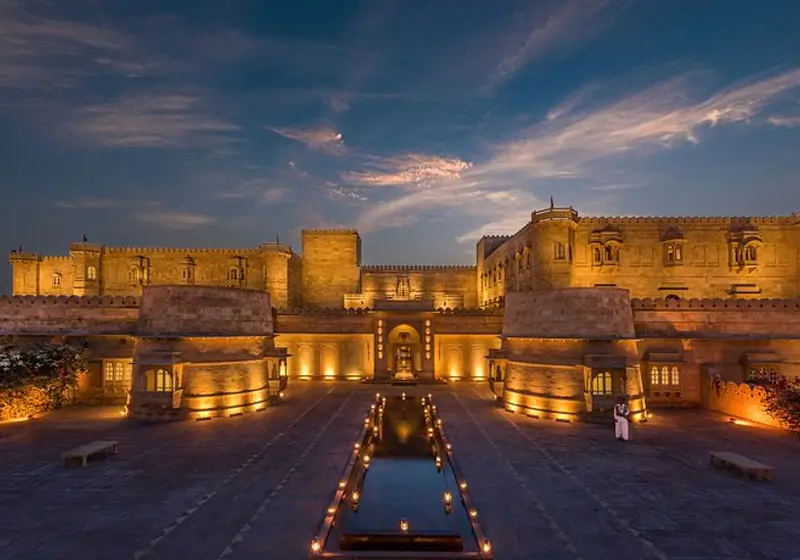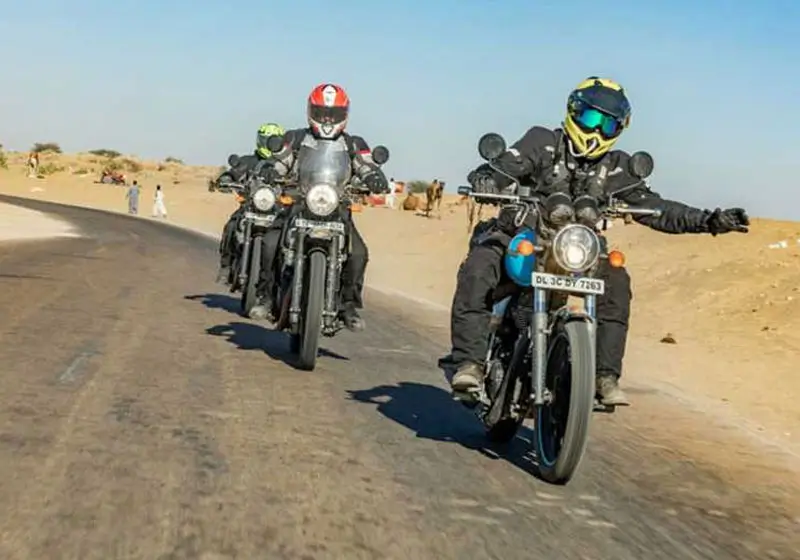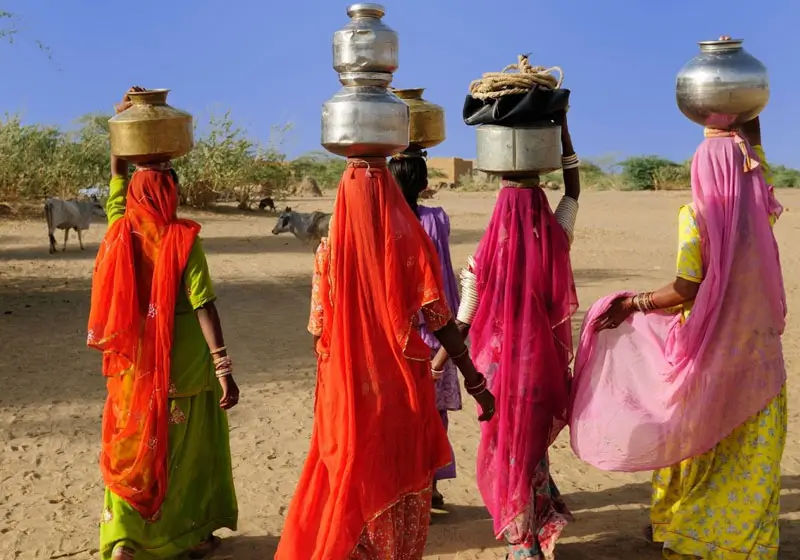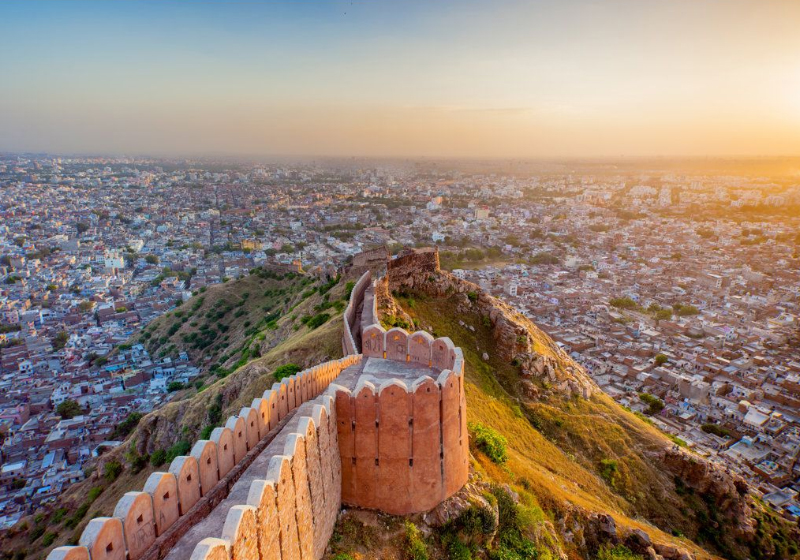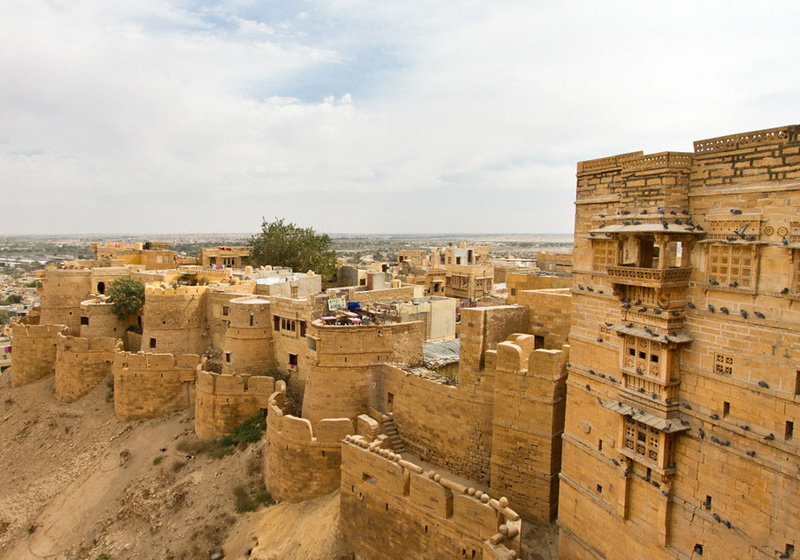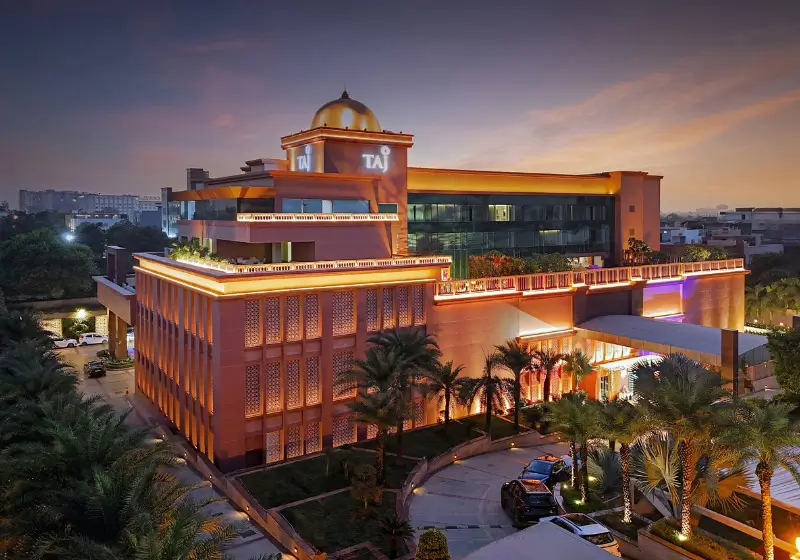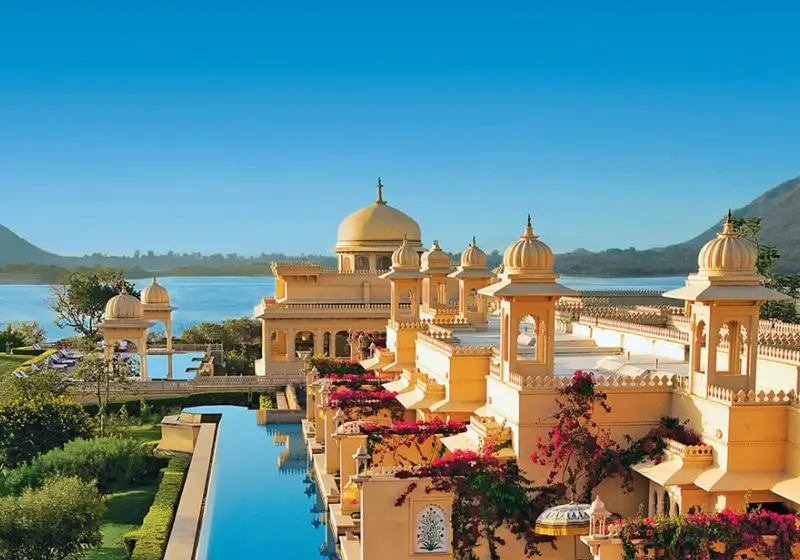
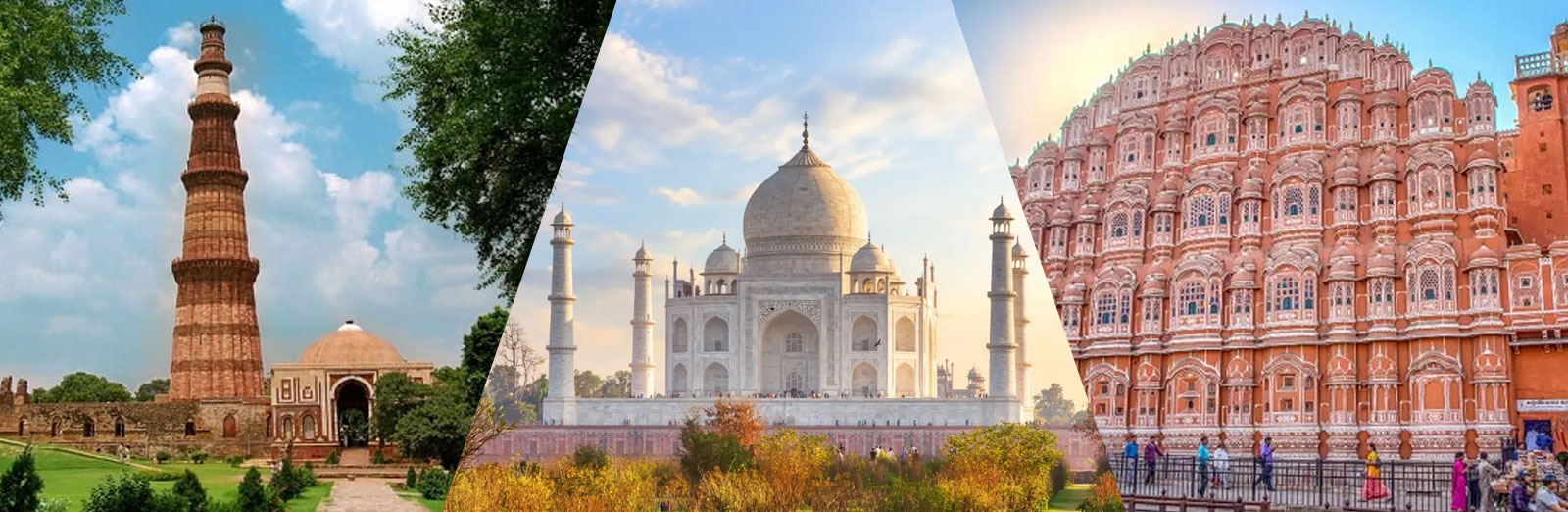
Rajasthan’s famous cities — Jaipur, Udaipur, and Jaisalmer — capture royal grandeur, but the true rhythm of this desert state beats in its villages. Beyond the palaces and luxury hotels lie rural communities where ancient customs continue untouched by time.
For travellers who wish to go beyond the postcard version of India, the hidden villages of Rajasthan offer something far more genuine: silence, simplicity, and human connection. Mud-walled homes, slow-cooked meals, morning camel bells, and evenings filled with folk songs — every frame feels alive.
These are not destinations built for tourists. They are living museums of history, craft, and resilience.
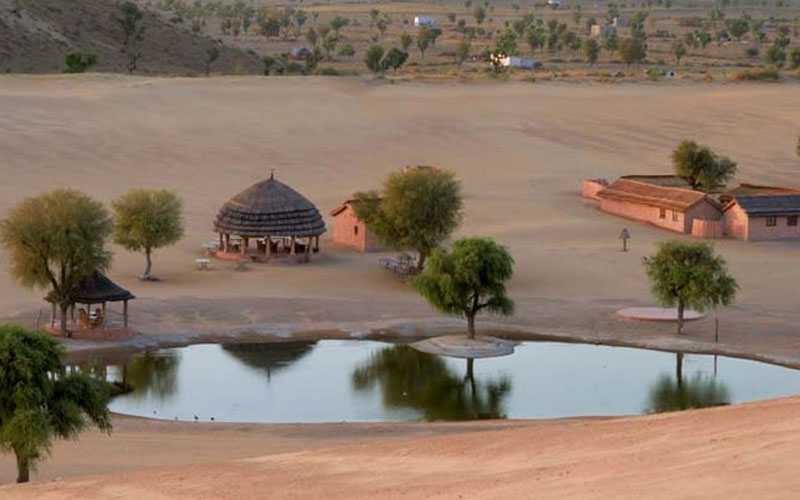
Just outside Jodhpur, the Bishnoi community has been living in harmony with nature for over five centuries. Long before the word “sustainability” became global vocabulary, these people practiced it daily — planting trees, conserving water, and protecting wildlife.
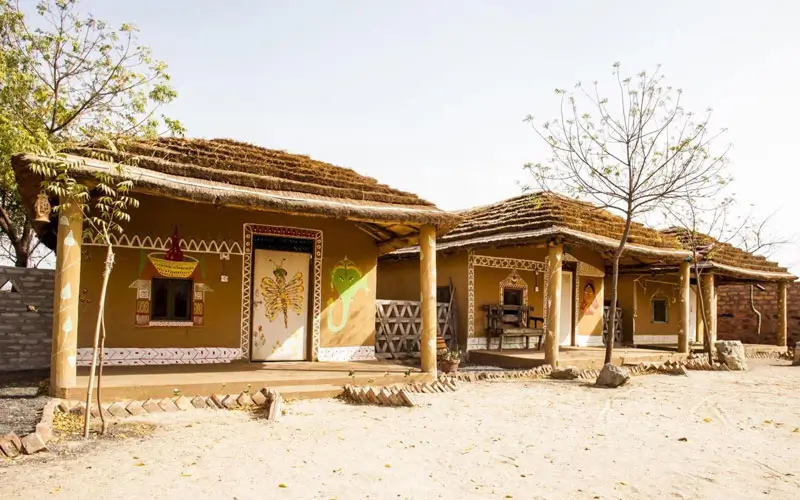
Visitors are welcomed into traditional huts made of clay and thatch, where artisans shape pottery and women spin bright yarn on handlooms. Antelopes and peacocks roam freely among homes — an unforgettable sight that defines Rajasthan’s connection with its land.
A Bishnoi village safari reveals what true environmental living looks like — not through words, but through lifestyle.
While the Sam Sand Dunes near Jaisalmer echo with tourists and jeeps, Khuri Village remains peaceful and authentic. Here, the desert whispers rather than shouts.
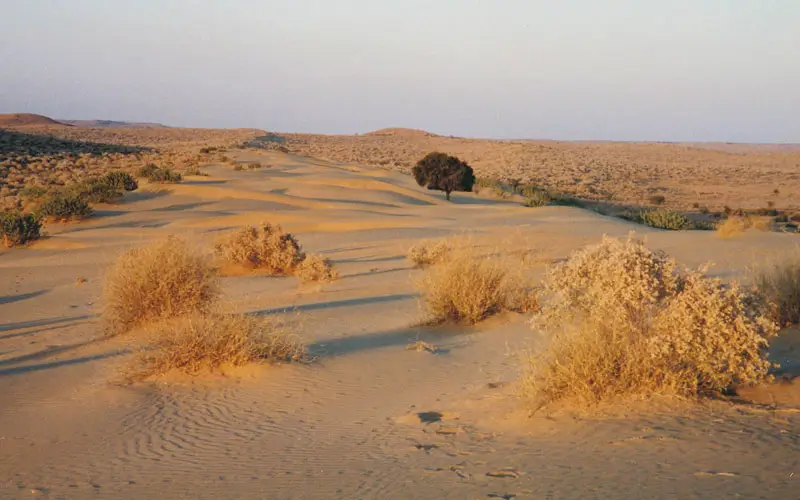
Mud huts rise out of golden sand, children herd goats under wide skies, and evenings are spent around bonfires with soulful music and gentle laughter. Travellers who spend a night here often call it their most memorable Rajasthan moment — a place where stars fill the sky and time slows down.
Khuri’s charm lies in its stillness. Camel safaris lead you across quiet dunes, where sunset paints everything in orange and purple hues.
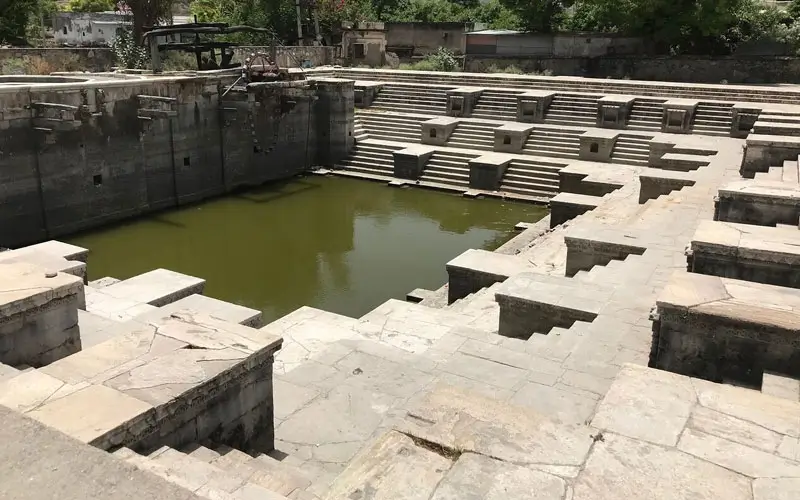
Nestled near Udaipur, Delwara once boasted over a thousand temples. Today, its narrow lanes still echo with devotion and artistry. The marble temples, intricately carved and perfectly preserved, reveal the village’s spiritual grandeur.
Atop the hill stands Devigarh Fort Palace, now transformed into a luxury hotel. From its terraces, travellers can see the village spread below — a living tapestry of heritage and progress. Delwara is also known for women-led social initiatives and community cooperatives that produce handwoven textiles and silver jewelry.
It’s a destination that beautifully merges history, design, and purpose — ideal for those who prefer cultural depth over sightseeing checklists.
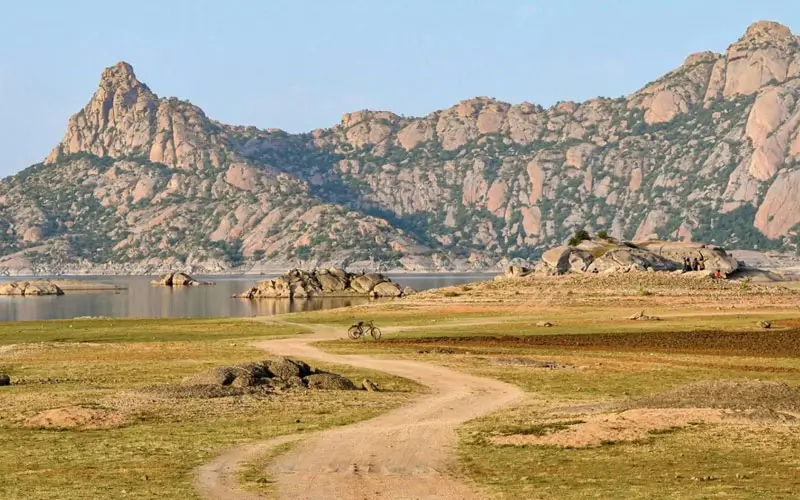
Between Udaipur and Jodhpur lies Jawai, a surreal landscape of granite cliffs and shimmering lakes. Here, leopards live freely among the local Rabari tribe, whose bright red turbans and white attire create striking contrasts against the desert backdrop.
This region has redefined wildlife coexistence — villagers revere leopards as divine protectors rather than predators. Guests staying in boutique lodges like Suján Jawai can witness both wildlife and village life unfold side by side.
For photographers and nature lovers, Jawai is an extraordinary blend of wilderness and culture — raw, respectful, and real.
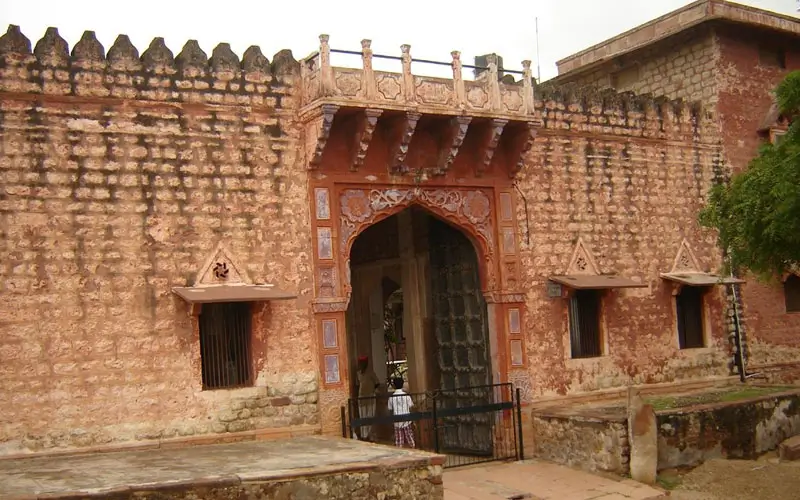
Forty kilometres from Jodhpur, Chandelao stands as a beacon of empowerment. The Sundar Rang women’s cooperative here produces exquisite embroidered textiles, cushions, and home décor — all handcrafted by local women who support their families through traditional art.
Travellers visiting the Chandelao Garh Heritage Hotel can interact with artisans, learn block printing, and understand how tourism sustains rural economies. Tea served in clay cups, laughter echoing from courtyards, and threads of bright pink and blue — these images stay long after the trip ends.
Chandelao embodies purposeful tourism, where every purchase and every conversation makes a difference.
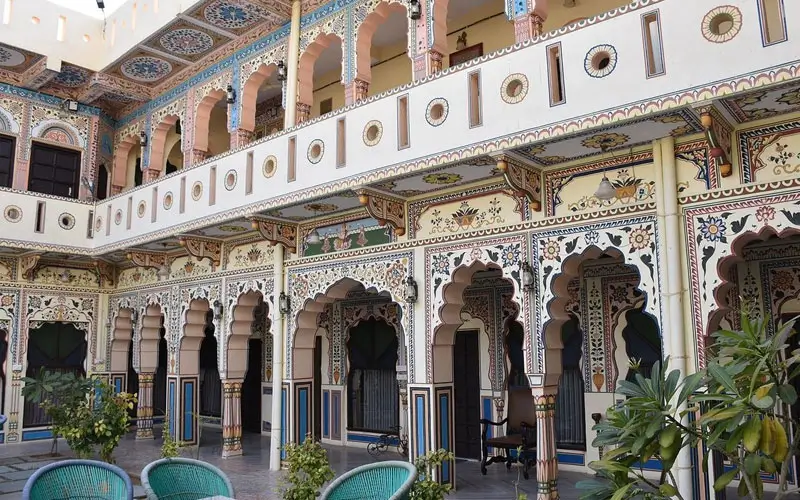
In the Shekhawati region of northern Rajasthan lies Mandawa, a town that feels like an artist’s canvas. Every haveli wall tells a story — mythological murals, royal portraits, and British-era paintings that reflect the region’s trade legacy.
Though modest in size, Mandawa immerses travellers in a world of faded opulence. Walking through its narrow lanes reveals intricately painted frescoes untouched by time. The locals, proud of their heritage, often open haveli doors to show visitors the artwork inside.
For photographers, this is a visual paradise; for history lovers, it’s living art.
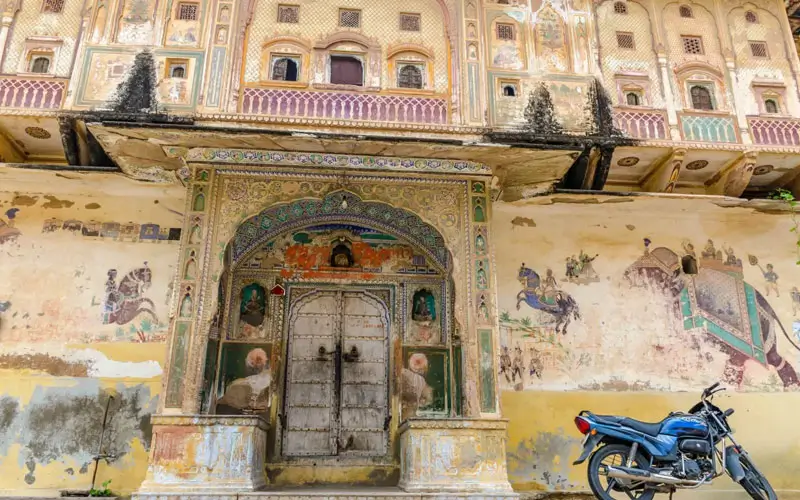
A short drive from Jaipur brings you to Samode, where royal elegance blends seamlessly with village simplicity. The iconic Samode Palace showcases mirrored halls and floral frescoes, while just beyond its gates, rural life unfolds quietly — farmers tilling mustard fields, artisans shaping clay, children waving from rooftops.
Staying here allows travellers to enjoy luxury without losing connection to authenticity. Camel cart rides, village walks, and rooftop dinners under lantern-lit skies make Samode unforgettable.
It’s Rajasthan’s essence in one frame — regal yet rooted.
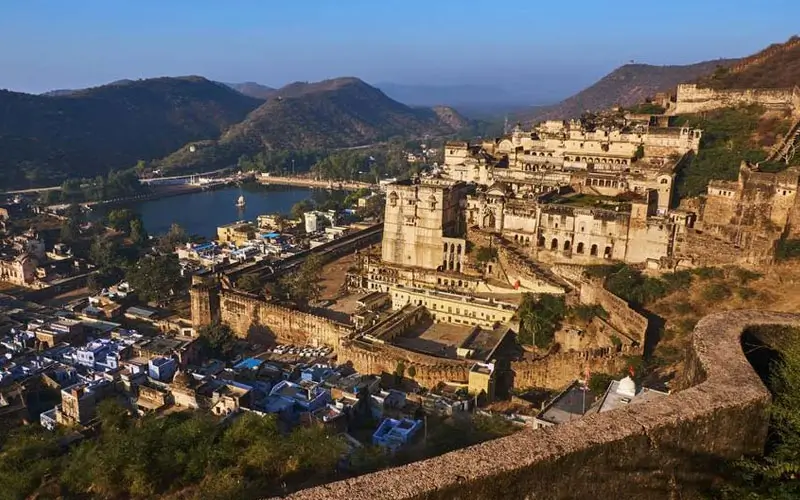
Tucked near Chittorgarh, Bijaipur blends royalty, spirituality, and countryside peace. The Castle Bijaipur, now a family-run boutique hotel, overlooks serene forests and lakes where birds glide lazily at sunset.
Travellers wake to temple bells and the scent of fresh rotis being cooked on open fires. Days unfold with leisurely walks through fields, visits to small shrines, and conversations with villagers.
For guests seeking silence and comfort, Bijaipur offers both — an untouched oasis wrapped in royal hospitality.
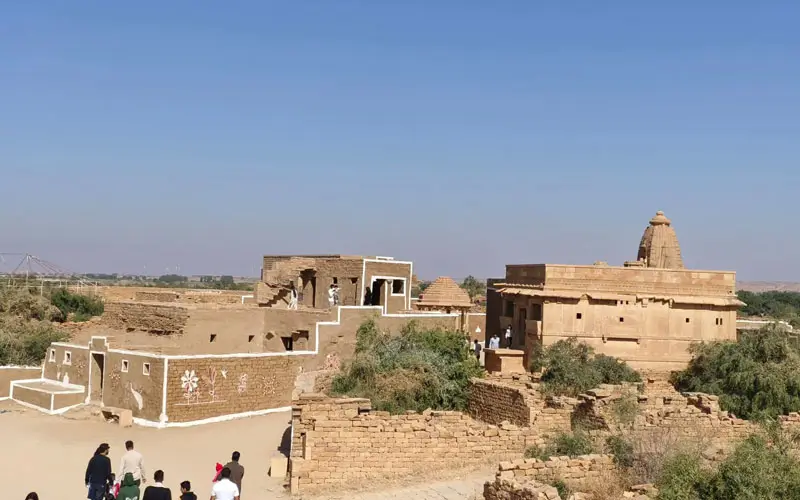
Near Jaisalmer lies Kuldhara, an abandoned village whose haunting beauty attracts travellers from across the world. Built in the 13th century by the Paliwal Brahmins, it was mysteriously deserted overnight, leaving behind rows of empty stone houses under the desert sun.
Walking through its ruins at sunset feels cinematic — golden light pours over the sand, and the air hums with silence. Though often called a “ghost village,” Kuldhara is more than myth; it’s a story of pride, dignity, and mystery frozen in time.
For photographers and history lovers, it’s Rajasthan at its most surreal.
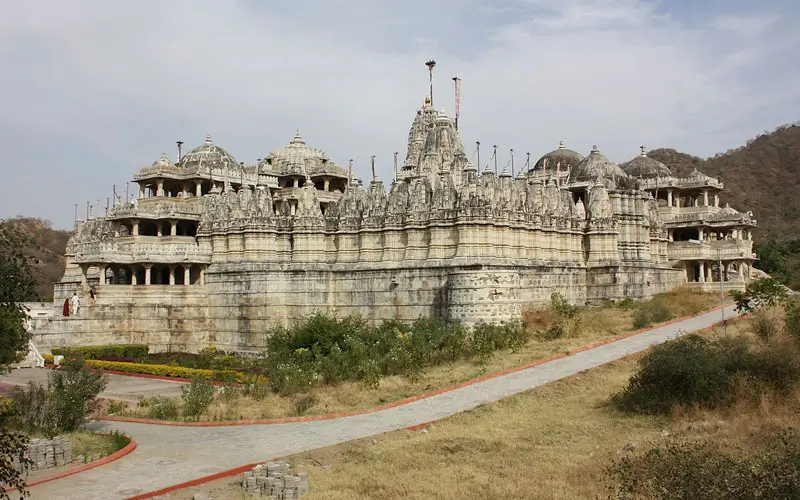
Hidden between Udaipur and Jodhpur, Ranakpur is surrounded by lush valleys and forested hills. The star attraction is its magnificent Jain temple, carved entirely from marble — a masterpiece of light and geometry.
Yet the real charm lies beyond the temple, in the quiet village nearby. Locals welcome guests with warmth, and the surrounding nature invites calm walks. Monkeys play around banyan trees while priests chant softly at dusk.
Ranakpur embodies spiritual Rajasthan — peaceful, intricate, and full of grace.
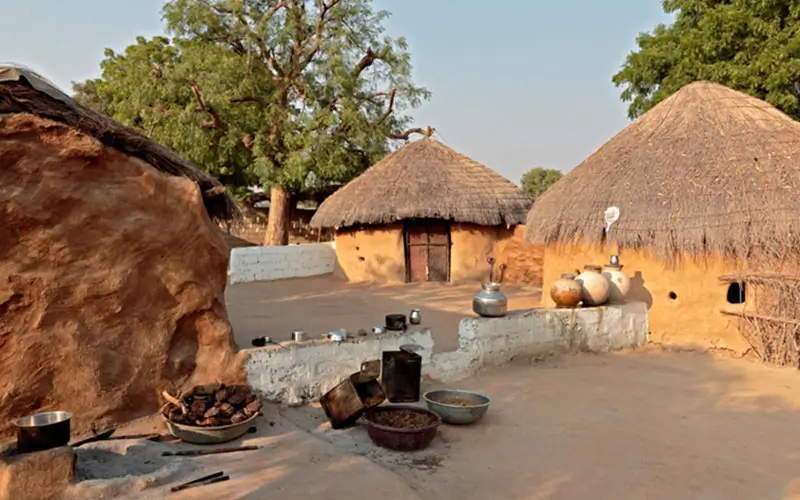
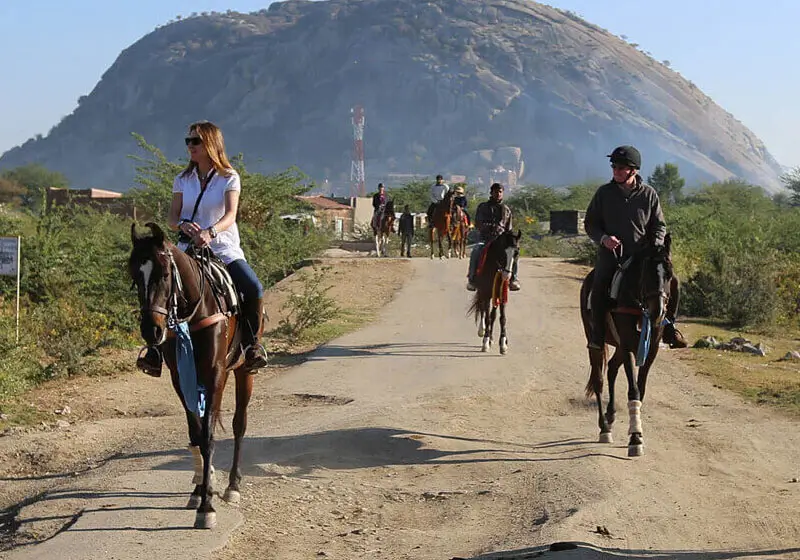
Close to Jodhpur lies Rohet, a desert village celebrated for its equestrian heritage. The noble Marwari horses, known for their curved ears, are bred here and trained by local riders. Guests staying at Rohet Garh, a restored haveli by a lake, can join horse safaris, cooking sessions, and village tours guided by storytellers.
Evenings bring soft folk music and candlelit dinners under neem trees. It’s Rajasthan at its most elegant — luxurious yet intimate.
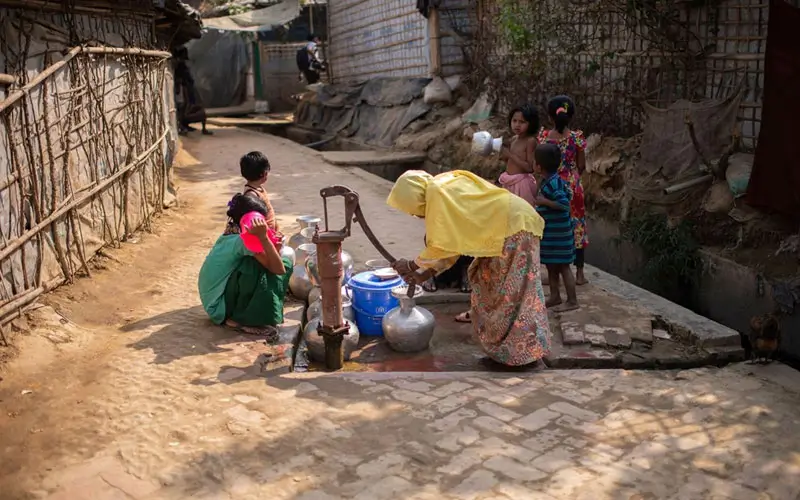
While most Rajasthan villages preserve ancient traditions, Soda stands out for modern transformation. Led by India’s first female sarpanch with an engineering degree, Chhavi Rajawat, this village embraced digital literacy, rainwater harvesting, and solar energy long before urban centers did.
Travellers visiting Soda see the evolution of rural India — tradition meeting technology, simplicity meeting progress. It’s proof that Rajasthan’s villages are not frozen in time; they are evolving with pride.
The villages of Rajasthan reveal what cities cannot — the essence of India’s heart. Here, people still live close to nature, crafts remain handmade, and hospitality isn’t a service but a gesture.
Foreign travellers who venture beyond the Golden Triangle often say that the warmth they find in Rajasthan’s villages stays with them longer than the palaces or forts.
It’s the way a woman offers chai with a smile, a shepherd greets you with folded hands, or a child runs beside your jeep waving goodbye — small, human details that turn a trip into an emotion.
To see Rajasthan fully, one must meet its people — and that happens best in its villages.
Yes, Rajasthan’s villages are known for their hospitality and are very safe for tourists. Locals are welcoming and respectful.
The best option is hiring a private car and driver in Rajasthan, which allows flexible travel across regions at your own pace.
Yes, several offer heritage homestays or eco-lodges such as Chandelao Garh, Castle Bijaipur, and Samode Palace.
October to March offers pleasant weather and vibrant rural life. Summers can be too hot for village exploration.
Yes, professional guides can be arranged through tour companies in major cities.
Absolutely — they connect easily between Jaipur, Jodhpur, Udaipur, and Jaisalmer.
Mandawa for architecture, Jawai for wildlife, and Khuri for desert sunsets.
Yes, handcrafted textiles, pottery, silver jewelry, and leather goods are authentic souvenirs.
Yes, 6–8 days are enough to cover 4–5 key villages comfortably.
Because Rajasthan’s heart beats in its villages — authentic, warm, and timeless, far away from commercial tourism.
Fill in the details below. Our expert consultant will respond within 4 hours with a bespoke itinerary crafted just for you — completely free, no obligation.