India is a vibrant, culturally rich, and unforgettable destination. From the majestic palaces of Rajasthan to the sacred banks of the Ganges, this diverse country attracts millions of tourists each year. However, like many popular travel destinations, India also has its share of tourist scams that can dampen your experience if you're unprepared.
In this guide, we’ll walk you through the most common tourist scams in India, how to identify red flags, and most importantly, how to avoid them and travel smart. Whether you're in Delhi, Agra, Jaipur, Mumbai, Varanasi, or Goa—these tips will help protect your budget, your belongings, and your peace of mind.
What Happens:
In busy areas like New Delhi Railway Station or Connaught Place, scamsters pose as "official tourist officers" and direct tourists to fake tourist offices. These setups look authentic, but they sell overpriced tours, fake tickets, or pushy travel packages.
How to Avoid:
What Happens:
Drivers quote extremely high fares, especially to foreigners unfamiliar with local pricing. Some may say, “Your hotel is closed,” and redirect you to a fake one they have a deal with.
How to Avoid:
What Happens:
Unlicensed street sellers offer local SIM cards without proper documentation. These often stop working after a day or have high hidden charges.
How to Avoid:
What Happens:
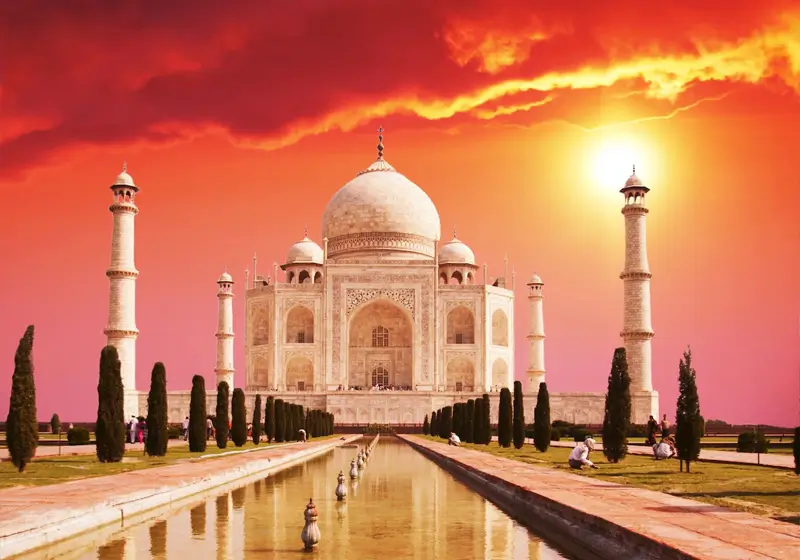
tuk-tuk driver or “guide” tells you a famous site (like the Taj Mahal) is closed today and offers to take you elsewhere—usually to overpriced tourist traps or shops they earn commission from.
How to Avoid:
What Happens:
Children or fake volunteers approach you asking for donations for a school, orphanage, or charity. They might give you receipts or letters—but most are scams.
How to Avoid:
What Happens:
You’re taken to a shop under the pretense of seeing local art or culture. The seller pressures you into buying “precious” stones or handmade goods—often at 10x the real price.
How to Avoid:
What Happens:
Especially common near railway stations, fake agents sell you "confirmed tickets" for trains or buses—only for you to find out they're invalid.
How to Avoid:
What Happens:
You may encounter women holding babies asking for milk or food—not money. They’ll take you to a shop where the owner is involved. The goods are overpriced, and the items are resold later.
How to Avoid:
What Happens:
In party hotspots like Goa or backpacker towns like Rishikesh, you may be offered substances or parties. Some are police traps or end up in theft/blackmail situations.
How to Avoid:
What Happens:
You might be approached by a sadhu (holy man) who gives you a “blessing” and demands money. Sometimes they even get aggressive if denied.
How to Avoid:
What Happens:
A stranger may start a friendly conversation and then offer help, guidance, or take you shopping/touring. Often, they’re part of a larger scam circle.
How to Avoid:
What Happens:
Some shady ATMs may be tampered with card skimming devices. Or someone may watch and steal your PIN.
How to Avoid:
What Happens:
Someone pours something on your shoes, then appears to “clean” it and demand money.
How to Avoid:
What Happens:
You may be approached by someone in uniform asking to see your passport, wallet, or cash as part of a “random check”.
How to Avoid:
What Happens:
You arrive at your booked hotel, and a driver or stranger says it's “burnt down”, “closed”, or “under renovation”—and takes you elsewhere for commission.
How to Avoid:
Yes, with proper precautions and awareness, India can be safe for solo travel.
You can call the national tourist helpline 1363 or visit the local police station.
It’s better to book certified guides through your hotel or official platforms.
Most major airports have prepaid counters—use them for fair pricing.
Avoid entering sensitive information on public networks. Use VPNs if needed.
Use a mix of cash, cards, and travel wallets. Avoid carrying large sums.
No, always drink bottled or filtered water.
Yes, having a local SIM (from Jio, Airtel) helps for maps, bookings, and emergencies.
Use apps like Uber or Ola for fair pricing and GPS tracking.
Yes, bargaining is normal in street markets and souvenir shops.
Dress modestly—cover shoulders and knees, especially in temples or rural areas.
Alert nearby people or contact the tourist police. Don’t ignore harassment.
Yes, especially metros like Delhi and Mumbai. Stay alert in busy public areas.
Yes, remove shoes before entering, and avoid revealing clothes.
Absolutely—insurance is highly recommended for emergencies and cancellations.
Fill in the details below. Our expert consultant will respond within 4 hours with a bespoke itinerary crafted just for you — completely free, no obligation.