Food is often described as the most powerful bridge between culture and memory. Within the Dawoodi Bohra community, the tradition of dining together from a shared platter known as the Bohra Thaal carries layers of spiritual meaning, etiquette, and heritage. For travelers seeking deeper cultural engagement beyond monuments and sightseeing, curated Bohra Thaal Experiences in India offer a rare opportunity to witness and participate in a centuries-old dining ritual rooted in unity and gratitude.
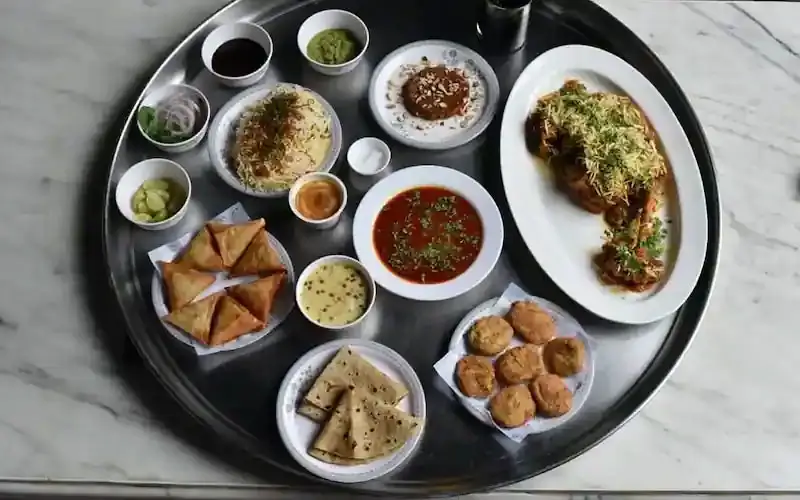
Unlike individual plate service common in many global restaurants, the Bohra Thaal emphasizes communal sharing. Guests gather around a large metal platter placed on a raised platform called the kundli. Each person partakes respectfully, following established order and etiquette that reflect humility, discipline, and mutual care. The ritual embodies both religious values and social cohesion.
Cities such as Mumbai and Udaipur, along with smaller community hubs across Gujarat and Rajasthan, provide authentic settings for experiencing this tradition within a halal-certified culinary environment. Understanding the cultural context behind the thaal transforms a meal into a meaningful encounter with identity and heritage.
The Bohra Thaal dining tradition is more than a communal meal. It is a structured ritual rooted in Islamic principles of moderation, gratitude, and togetherness. Before the meal begins, diners gather respectfully around the thaal, often reciting prayers that express thankfulness for sustenance. The order in which dishes are served carries symbolic significance, often beginning with a sweet dish to signify gratitude.
Meals typically include a variety of courses placed sequentially within the same platter. Rice dishes, meats, curries, breads, and desserts appear in carefully orchestrated order. Diners are encouraged to eat modestly, avoiding waste and maintaining cleanliness within their designated section of the platter.
For visitors, participating in a traditional Bohra Thaal experience requires understanding etiquette. Washing hands before and after the meal, avoiding over-serving, and respecting the shared space are integral components.
Observing this structure reveals how food becomes a vehicle for reinforcing community bonds and spiritual awareness.
Discover the unique Bohra Thaal dining tradition and enjoy authentic flavors, cultural heritage, and memorable food experiences during your journey in India.
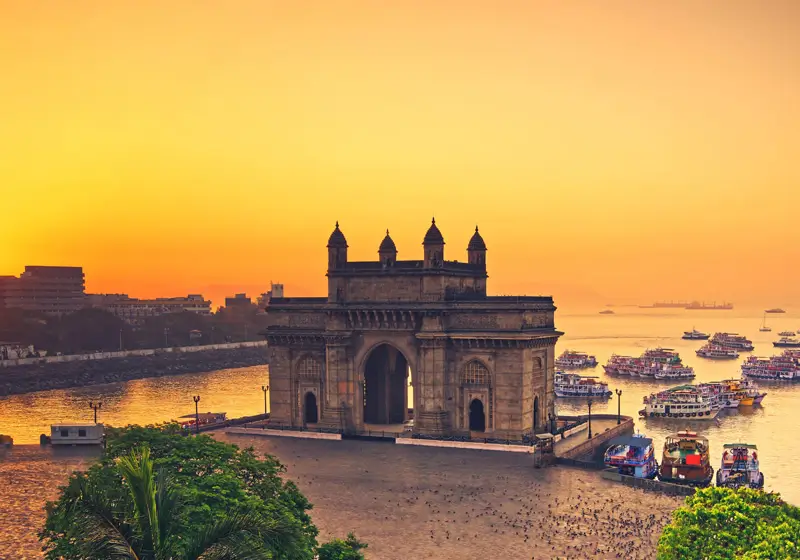
Mumbai serves as one of the most prominent centers of Dawoodi Bohra life in India. Neighborhoods such as Bhendi Bazaar host community kitchens and traditional eateries where authentic thaal meals are prepared.
Curated culinary tours often include private thaal experiences arranged within community-run establishments or heritage homes. These events allow guests to learn about the origins of dishes, many of which blend Gujarati influences with Mughlai flavors.
The meal often features signature items such as dal chawal palidu, rich meat curries, fragrant rice preparations, and seasonal desserts. The structure of the meal reflects discipline and celebration simultaneously.
For cultural travelers, Mumbai provides an accessible gateway to understanding Bohra culinary heritage within a metropolitan environment supported by modern infrastructure and luxury accommodation.
While Mumbai represents urban prominence, Udaipur introduces regional nuance to the thaal tradition. The city’s Bohra families have adapted Rajasthani ingredients and techniques into communal dining customs.
Thaal experiences in Udaipur often incorporate local spices, lentils, and dairy products characteristic of Rajasthan’s culinary identity. The setting frequently includes intimate courtyards or family dining halls that enhance authenticity.
Visitors may observe how regional climate and agricultural patterns influence menu composition. The Rajasthan variant of Bohra cuisine demonstrates adaptability while preserving foundational principles of sharing and halal preparation.
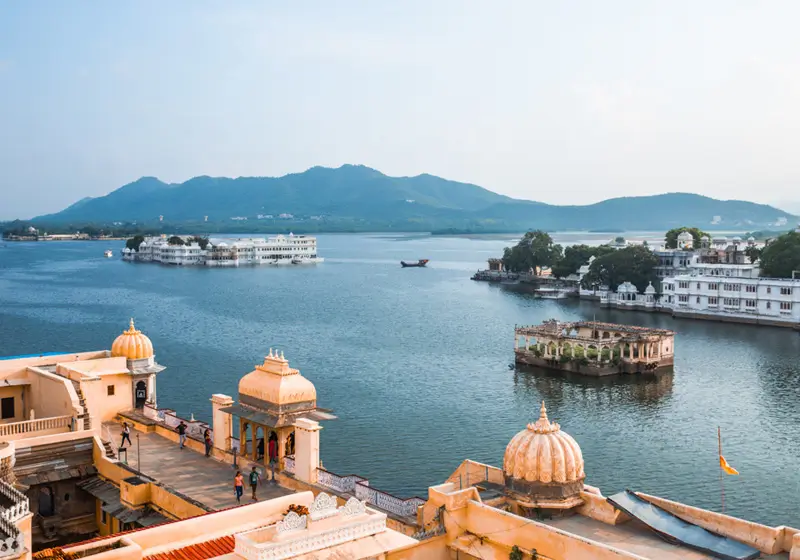
Combining Bohra Thaal Experiences in Udaipur with lake palace stays and heritage walks creates a holistic cultural itinerary.
The Dawoodi Bohra community’s historical ties to Gujarat make coastal towns such as Mandvi and Surat meaningful extensions of culinary exploration. In these regions, maritime trade influences are visible in spice blends and seafood adaptations within halal guidelines.
Community dining events here often reflect generational continuity. Elder family members recount stories of migration and trade while younger members preserve cooking techniques.
For travelers tracing ancestral connections, participating in a thaal meal within these towns carries emotional resonance. The experience extends beyond gastronomy into collective memory.
Such journeys form the foundation of a Bohra Heritage and Culinary Tour that integrates spirituality, lineage, and taste.
A defining characteristic of the Bohra Thaal is strict adherence to halal dietary laws. Meat sourcing, preparation, and service follow Islamic guidelines meticulously. This assurance allows Muslim travelers to dine confidently without verification concerns.
In curated travel programs, halal certification is prioritized. Hosts ensure that all ingredients align with religious requirements and that the communal setting remains respectful.
Ethical dining practices, including minimizing waste and emphasizing gratitude, align naturally with sustainable travel values. Participating in a thaal meal becomes both a cultural and ethical statement.
Experience the unique Bohra Thaal dining tradition where families and friends share delicious dishes from a single platter. Let us help you explore authentic food and cultural experiences during your India journey.
Guests invited to join a thaal experience should approach with openness and respect. Sitting close to fellow diners reflects unity rather than intrusion. Eating from one’s designated area maintains cleanliness and consideration.
It is customary to avoid leaving food unfinished. Hosts often guide visitors gently through the process, explaining each dish’s significance.
Photography may require permission, particularly in private homes. Respecting boundaries ensures that the experience remains intimate rather than performative.
Understanding etiquette enhances appreciation for the depth behind Bohra communal dining traditions.
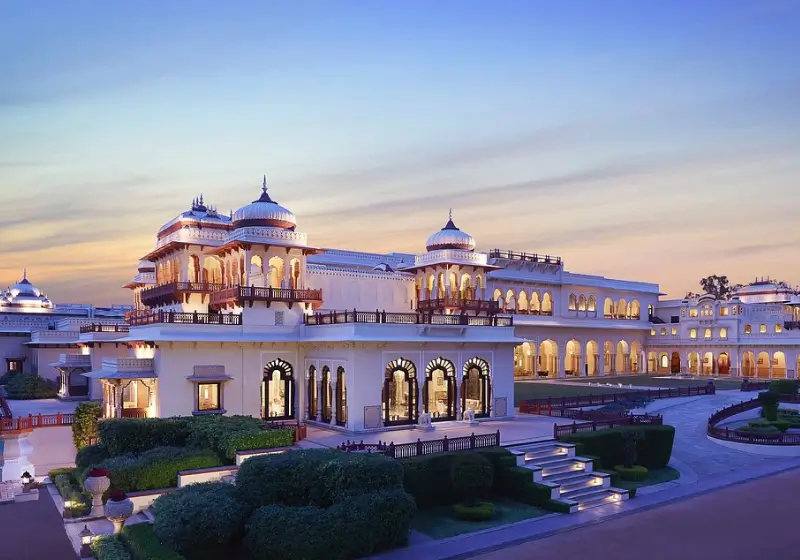
Luxury travel does not exclude authenticity. High-end tour operators often coordinate private thaal events within boutique heritage settings. Guests may enjoy palace accommodations during the day and community dining in the evening.
Such integration demonstrates that cultural immersion can coexist with refined hospitality. Personalized transportation, curated storytelling, and professional coordination elevate the experience while preserving sincerity.
This approach transforms a simple meal into a highlight within a broader Halal luxury travel India itinerary.
For many participants, the thaal represents belonging. Sharing food from a single platter fosters equality and humility. The act of sitting shoulder-to-shoulder erases hierarchy and encourages gratitude.
Travelers often describe a sense of warmth and connection that transcends language barriers. The shared meal becomes a dialogue between host and guest.
Within the context of heritage travel, the thaal experience anchors memory in sensory detail—aroma, texture, taste, and community presence.
It is a communal dining tradition where multiple guests share food from one large platter.
Yes, Bohra Thaal meals strictly follow halal preparation guidelines.
Participation may be arranged respectfully through curated cultural tours.
Meals often include rice, curries, meats, breads, and desserts served sequentially.
Yes, guests follow structured dining customs guided by hosts.
Curated private events can be integrated within heritage accommodations.
Mumbai offers prominent community access, though other regions also host authentic experiences.
Yes, the communal format suits family participation.
Permission should be sought before taking photographs.
It emphasizes gratitude, unity, moderation, and community bonding.
Fill in the details below. Our expert consultant will respond within 4 hours with a bespoke itinerary crafted just for you — completely free, no obligation.