Itinerary ideas, cultural insights, luxury tips and practical planning guides for every India traveller.
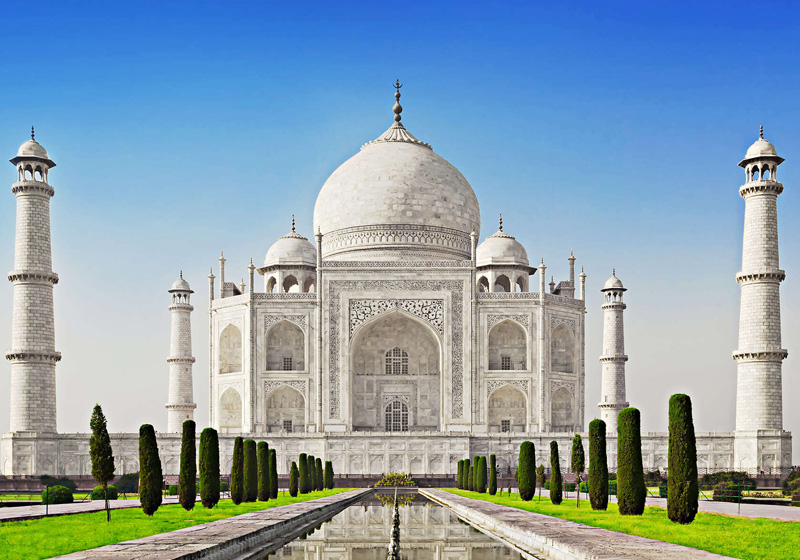
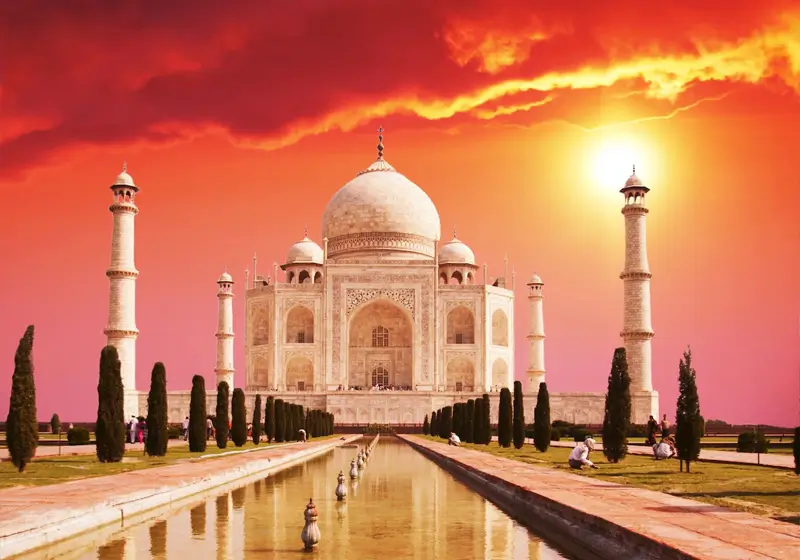
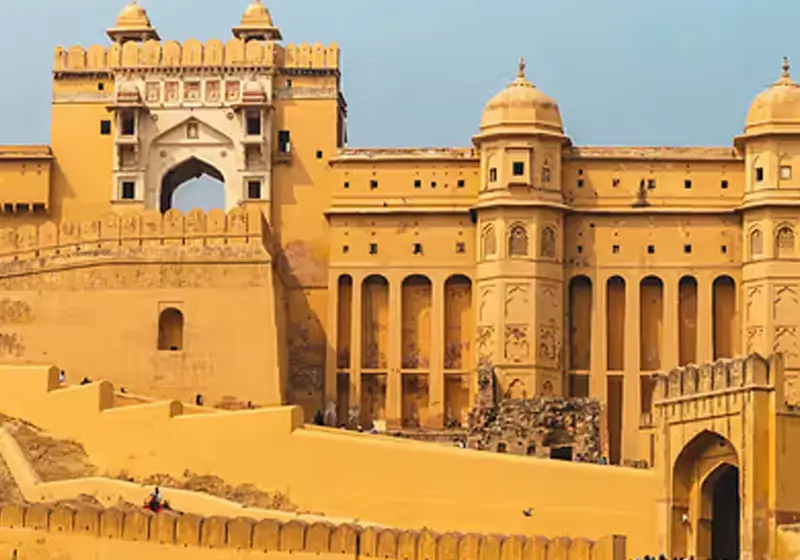
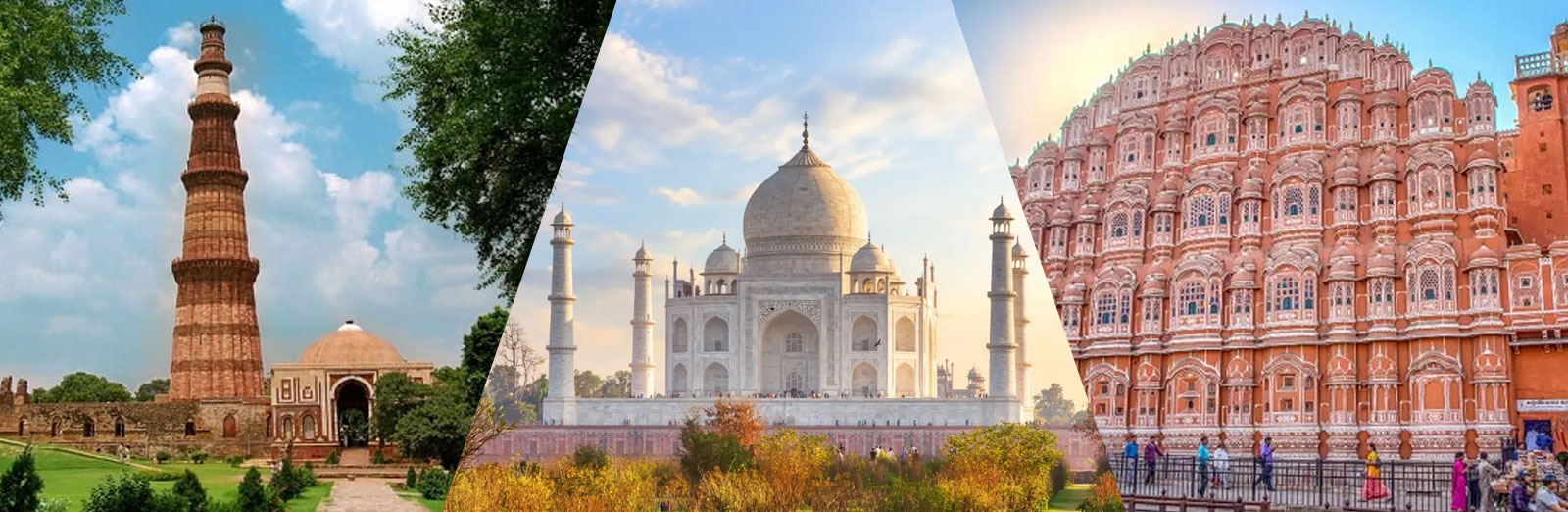
Traveling to India is unlike visiting any other destination in the world. The country is a fascinating blend of ancient traditions, vibrant cultures, spiritual heritage, and modern urban life. Visitors often arrive expecting famous landmarks such as the Taj Mahal, Jaipur’s palaces, or Delhi’s historic monuments. However, what truly shapes a traveler’s experience is understanding the culture that surrounds these places.
India is not a single cultural identity but rather a mosaic of languages, religions, customs, and traditions. Every region has its own way of life, food, clothing styles, and festivals. Because of this diversity, travelers often find India both exciting and overwhelming at the same time.
Understanding Indian culture for tourists helps visitors navigate the country more comfortably. It allows travelers to connect with local communities, appreciate traditions, and avoid cultural misunderstandings. The more a traveler understands about India’s social customs and cultural values, the richer their travel experience becomes.
For first-time visitors, learning about Indian etiquette, traditions, and cultural practices can transform the journey from simple sightseeing into a meaningful cultural exploration.
One of the most important things travelers should know is that India is incredibly diverse. The country is home to hundreds of languages, numerous religions, and countless regional traditions. Moving from one state to another can feel like entering a completely different country.
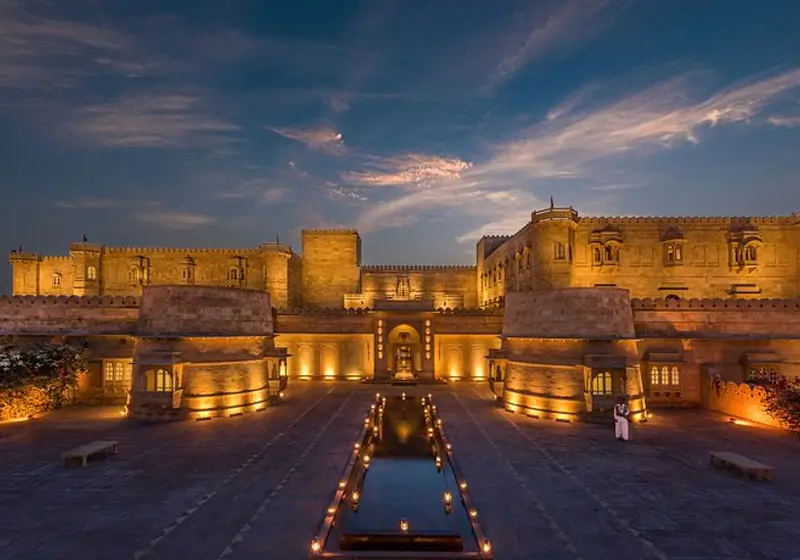
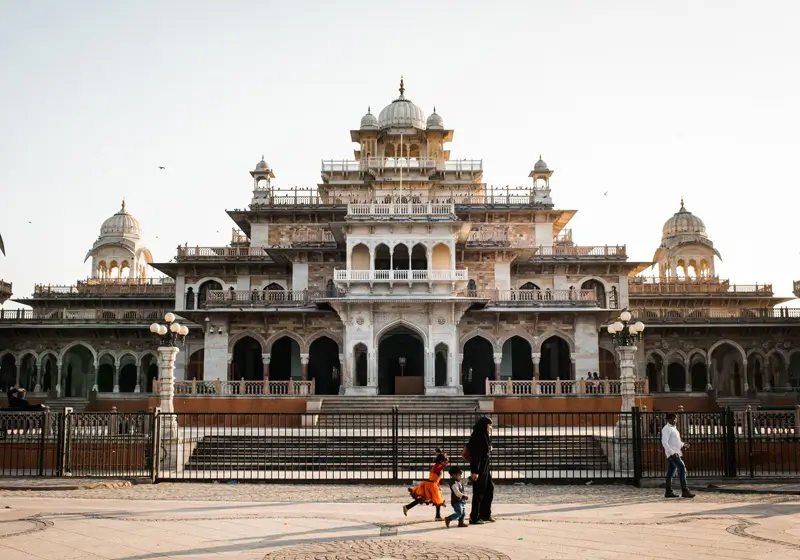
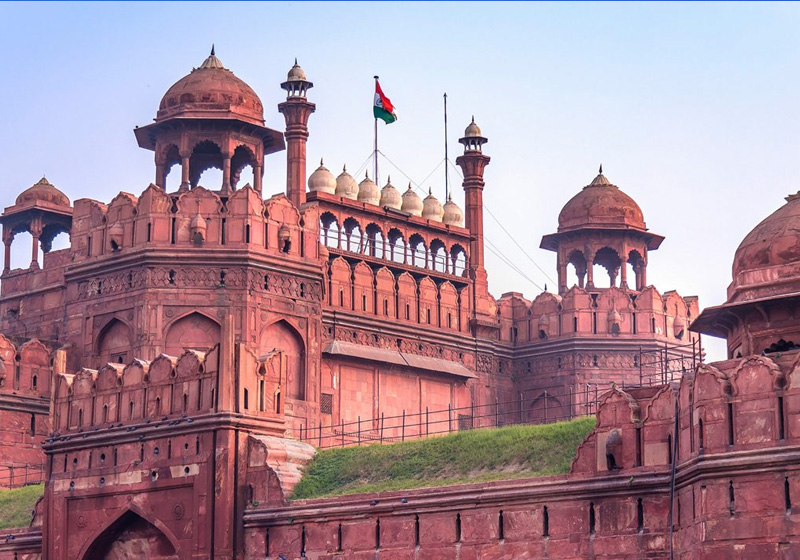
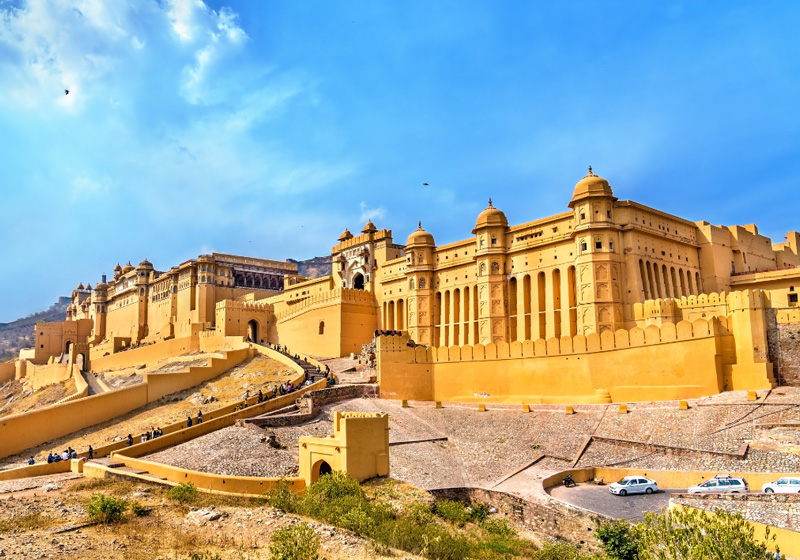
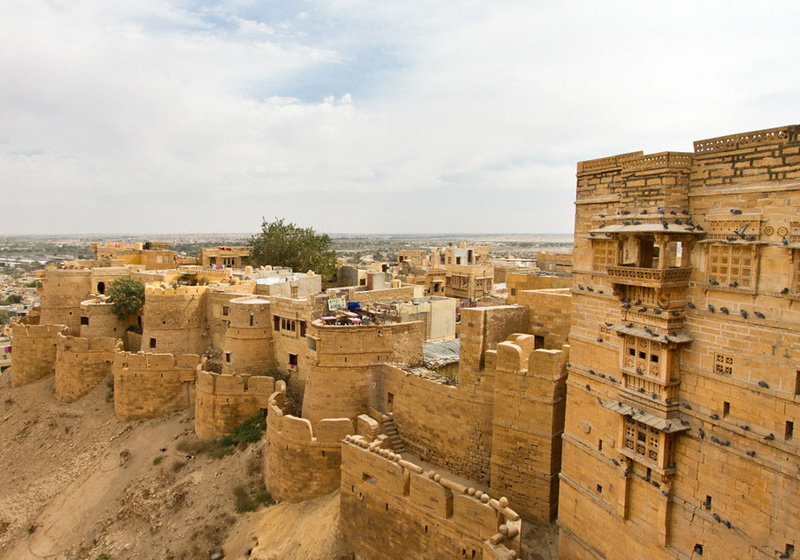
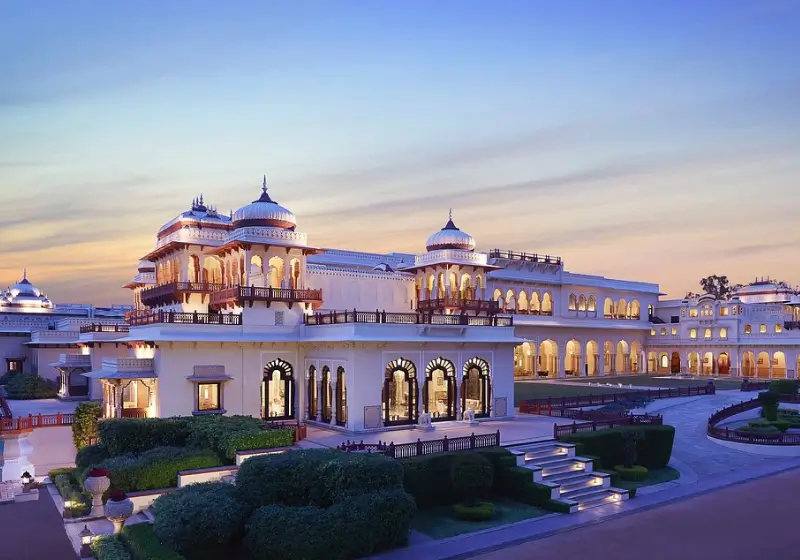
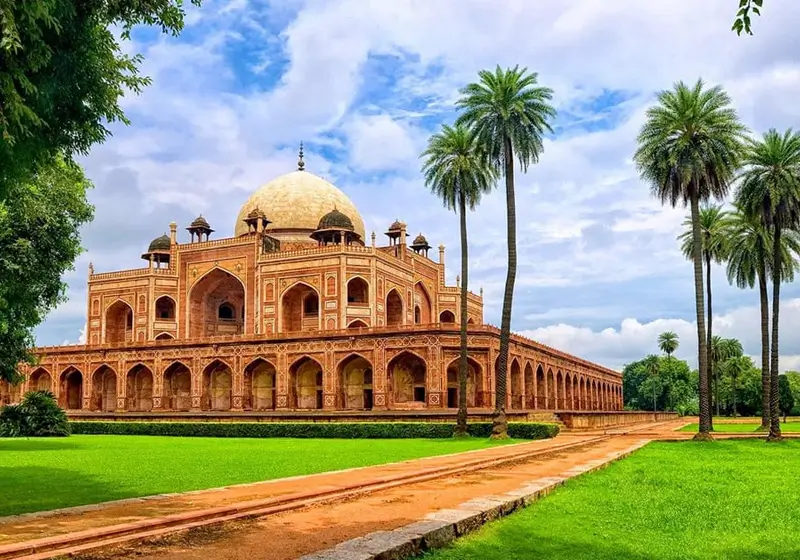
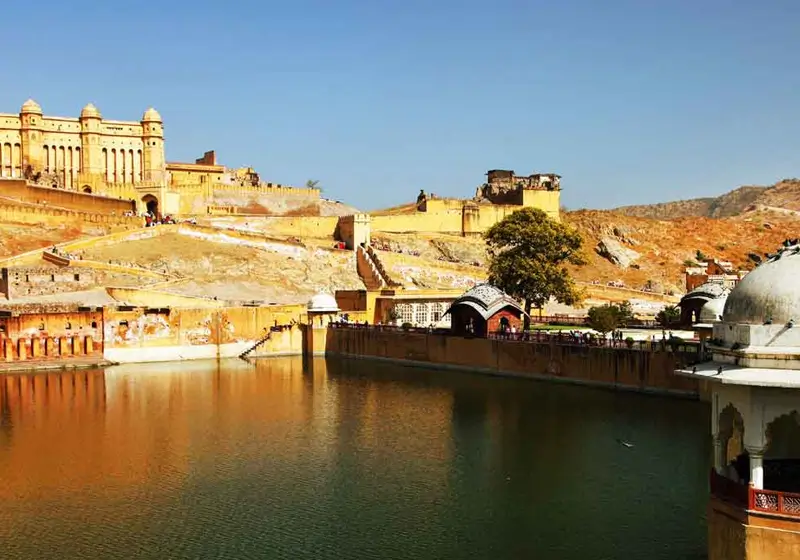
North India often reflects Mughal architecture, royal palaces, and desert landscapes, especially in Rajasthan. Southern India offers temple architecture, coastal scenery, and ancient Dravidian traditions. The Himalayan regions present mountain cultures shaped by Buddhism and Tibetan influence.
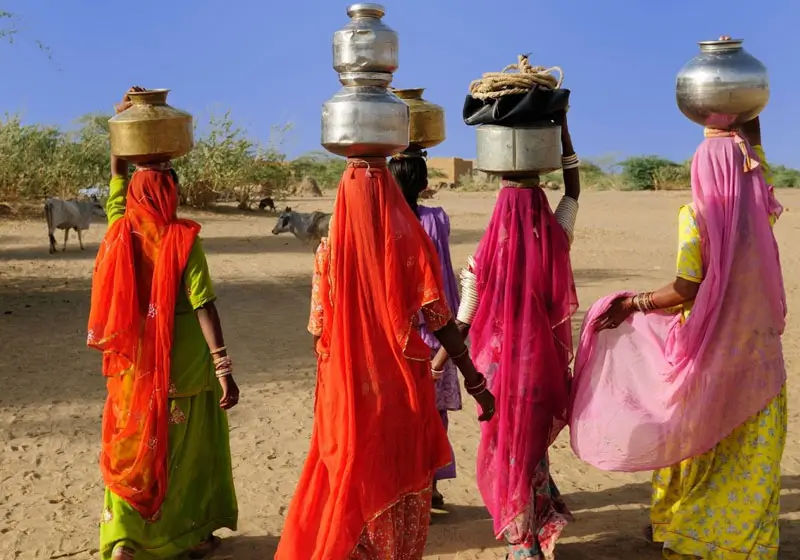
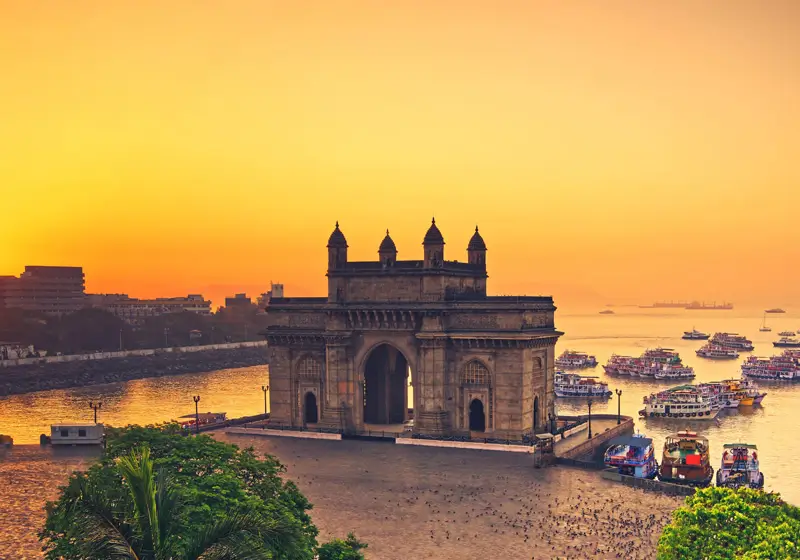
This diversity also extends to clothing, food, and daily lifestyles. In cities such as Delhi or Mumbai, modern lifestyles blend with centuries-old traditions. Meanwhile, rural regions maintain cultural practices that have been preserved for generations.
For travelers, understanding this diversity is essential. There is no single definition of Indian lifestyle and culture, and every region offers its own unique perspective on history and society.
Approaching India with curiosity and openness helps visitors appreciate the depth of its cultural landscape.
From vibrant traditions and local customs to historic landmarks and authentic experiences, explore India beyond the surface. Let us help you plan a journey that brings you closer to the heart of Indian culture.
Chat On WhatsApp Contact Us
Religion plays a significant role in shaping Indian culture. The country is the birthplace of several major religions, including Hinduism, Buddhism, Jainism, and Sikhism. In addition, Islam and Christianity have been deeply rooted in Indian society for centuries.
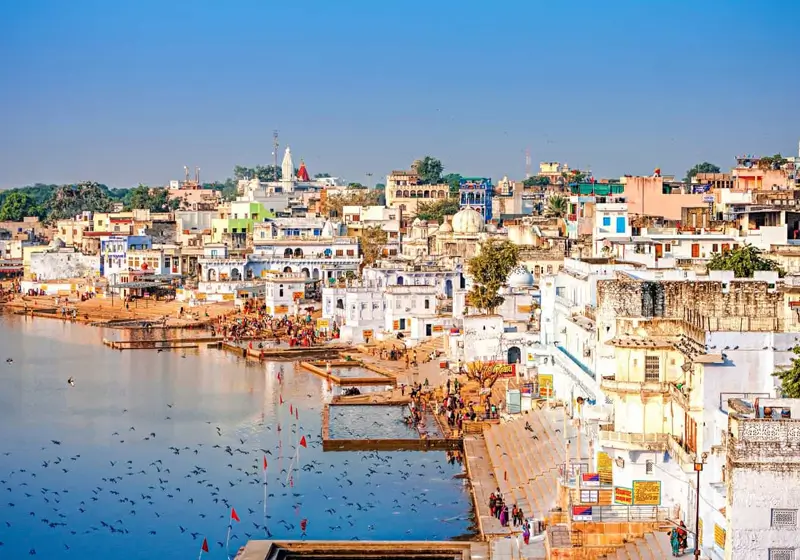
Travelers quickly notice the presence of temples, mosques, churches, and shrines in nearly every city and village. Religious rituals often take place in public spaces, and festivals bring entire communities together in celebration.
For many Indians, spirituality is not limited to places of worship. It is integrated into daily routines. People may start their mornings with prayers, light lamps in their homes, or visit nearby temples regularly.
Visitors should approach religious spaces with respect. Removing shoes before entering temples, dressing modestly, and maintaining silence during ceremonies are common expectations.
Understanding religion in Indian culture allows travelers to appreciate the spiritual atmosphere that defines many destinations across the country.
Cultural etiquette is an important part of traveling respectfully in India. While many Indians are welcoming and understanding toward foreign visitors, showing awareness of local customs enhances interactions with local communities.
Modest clothing is often appreciated, particularly when visiting temples or rural areas. Covering shoulders and knees is generally considered respectful in religious settings.
Using the right hand when giving or receiving items is another cultural practice. In traditional Indian etiquette, the right hand is associated with respectful gestures.
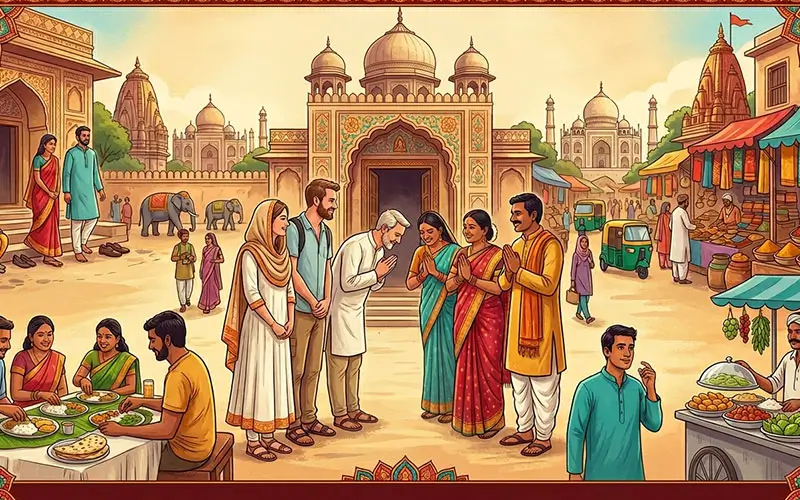
Travelers may also notice that greeting someone with “Namaste” accompanied by folded hands is a common way of showing respect. This greeting reflects warmth and politeness in Indian social interactions.
Learning these simple aspects of Indian etiquette for tourists helps travelers build positive connections with the people they meet.
Family plays a central role in Indian culture. In many parts of the country, extended families live together or maintain close relationships across generations.
Family gatherings, celebrations, and festivals often include relatives from different cities or villages. Elders are typically respected and play an important role in decision-making within households.
Visitors who interact with Indian families may notice the strong sense of unity and support among family members. Hospitality toward guests is often considered a family responsibility.
These family values also influence social interactions. Travelers who are invited into homes often experience generous hospitality and warm conversations.
Understanding family traditions in India helps visitors appreciate the strong social bonds that shape Indian society.
Indian cuisine is one of the most celebrated aspects of the country’s culture. However, food habits vary widely across regions. Each state offers its own specialties, ingredients, and cooking styles.
Northern India is known for dishes such as curries, breads like naan and roti, and rich Mughlai cuisine. Southern India features rice-based dishes, coconut flavors, and fermented foods such as dosa and idli.
Food is often shared during meals, reflecting the communal nature of Indian dining traditions. In many households, guests are encouraged to eat generously, and hosts may insist on serving additional portions.
Spices play a significant role in Indian cooking, creating complex flavors that vary from mild to very spicy.
Travelers who explore Indian food culture often discover that meals become a gateway to understanding regional traditions and local lifestyles.
India is known for its vibrant festivals that reflect religious, cultural, and seasonal traditions. These celebrations bring communities together through music, dance, food, and colorful decorations.
Festivals such as Diwali, Holi, Eid, and Navratri are celebrated with enthusiasm across different parts of the country. Each festival carries historical and spiritual significance.
Travelers visiting India during festival seasons often witness lively street celebrations, traditional performances, and elaborate decorations.
Participating in festivals provides visitors with unique cultural experiences that go beyond visiting monuments.
Understanding Indian festivals and traditions helps travelers appreciate the joyful spirit that defines many communities across the country.
Step into a world of timeless traditions, colorful festivals, and rich heritage. Travel beyond sightseeing and immerse yourself in authentic local experiences that truly define the spirit of India.
Chat On WhatsApp Contact UsMarkets play an essential role in everyday life across India. From bustling street markets to traditional bazaars, these spaces reflect the country’s vibrant commercial culture.
Travelers visiting markets often find a wide variety of goods including textiles, handicrafts, spices, jewelry, and street food.
Shopping in India is not always a straightforward transaction. Bargaining is common in many markets, and friendly negotiations are often part of the experience.
Markets also provide opportunities to observe local life. Vendors, artisans, and shoppers create an atmosphere filled with energy and cultural interaction.
Exploring Indian markets and bazaars offers travelers a deeper understanding of daily life in different regions.
Traveling in India requires an open mind and willingness to adapt to different environments. Cultural differences may sometimes surprise visitors, but approaching them with curiosity creates rewarding experiences.
India’s cultural complexity means that traditions and social norms can vary widely across regions. What is common practice in one city may be different in another.
Being patient, respectful, and observant helps travelers navigate these differences comfortably.
Visitors who approach India with cultural sensitivity often discover meaningful interactions and memorable experiences throughout their journey.
While India’s monuments and landscapes attract millions of visitors each year, understanding the country’s culture adds depth to the travel experience.
From spiritual traditions and family values to vibrant markets and diverse cuisines, every aspect of Indian life reflects centuries of history and cultural exchange.
Travelers who take time to learn about Indian cultural traditions often find themselves forming deeper connections with the places they visit and the people they meet.
India is not simply a destination to see—it is a culture to experience.
It helps visitors interact respectfully and enjoy a smoother travel experience.
Yes, India has hundreds of languages, traditions, and regional cultures.
Modest clothing is recommended, especially at religious sites.
“Namaste” with folded hands is a traditional greeting.
Yes, spirituality plays a significant role in daily life.
Indian cuisine includes curries, rice dishes, breads, and regional specialties.
Yes, many festivals welcome visitors and travelers.
Yes, family relationships are central to social life.
Yes, bargaining is often part of shopping in local markets.
Yes, rural villages offer authentic cultural experiences.
Fill in the details below. Our expert consultant will respond within 4 hours with a bespoke itinerary crafted just for you — completely free, no obligation.