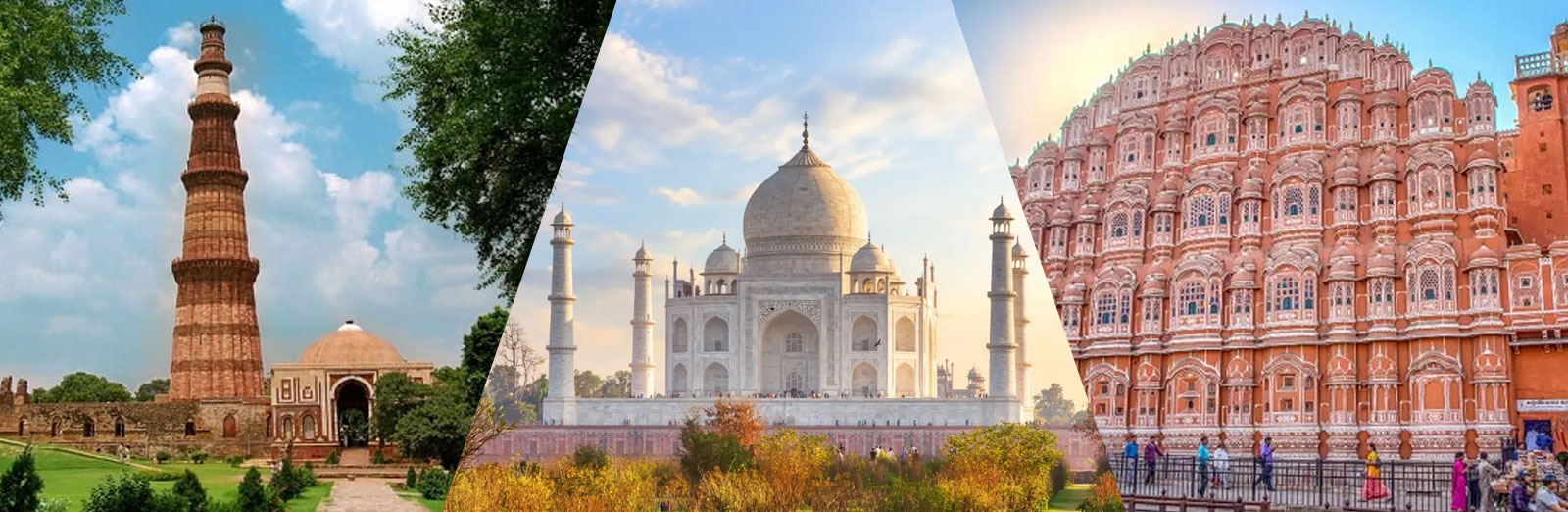
Itinerary ideas, cultural insights, luxury tips and practical planning guides for every India traveller.
The journey between Varanasi and Agra once required endurance. Long highway stretches, inconsistent road quality, and unpredictable traffic meant that travelers often dedicated an entire day to transit alone. Today, the development and operational impact of the Purvanchal Expressway has significantly altered this dynamic. The possibility of covering the distance between Varanasi and Agra in nearly five hours has redefined how travelers approach itineraries across Uttar Pradesh and the broader Golden Triangle Tour India circuit.
For international tourists, the connection between Varanasi’s spiritual intensity and Agra’s Mughal grandeur has always been compelling. However, logistical limitations previously restricted smooth movement between the two cities. With expressway connectivity strengthening the corridor, tour operators and independent travelers are discovering new flexibility in designing seamless cultural journeys.
The transformation is not only about speed. It represents a deeper infrastructural evolution that supports tourism expansion, luxury road travel, and integrated heritage circuits across northern India.
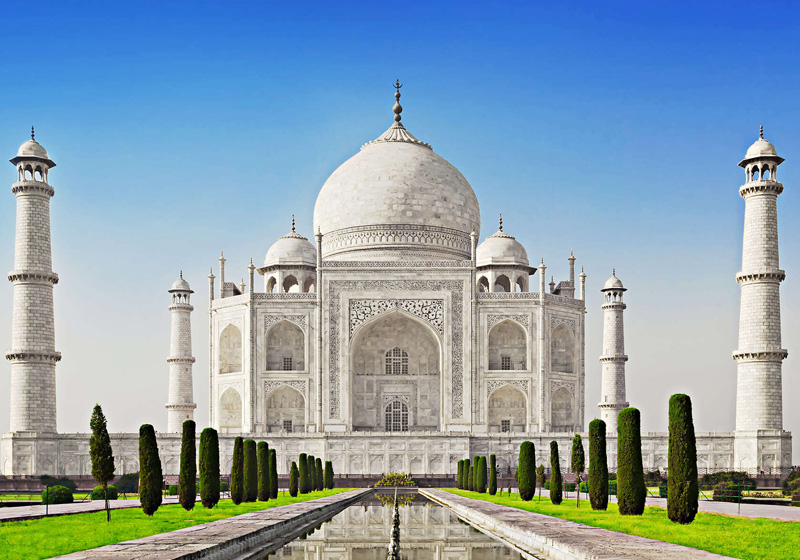
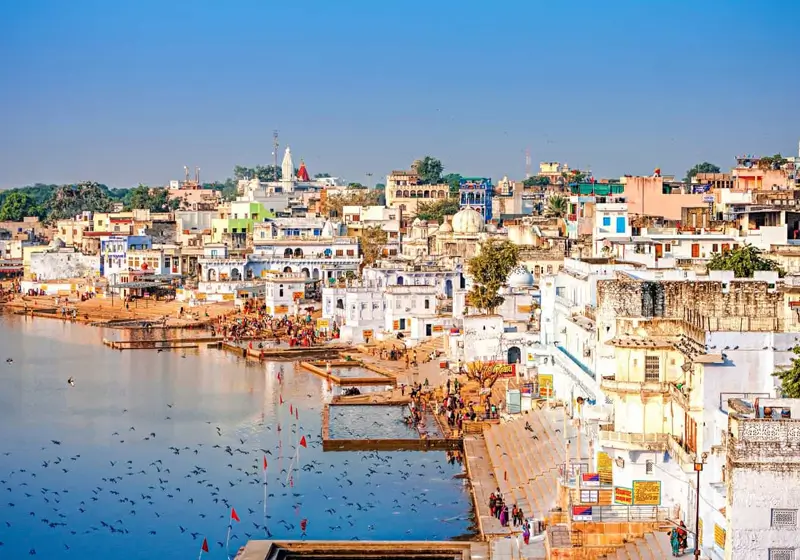
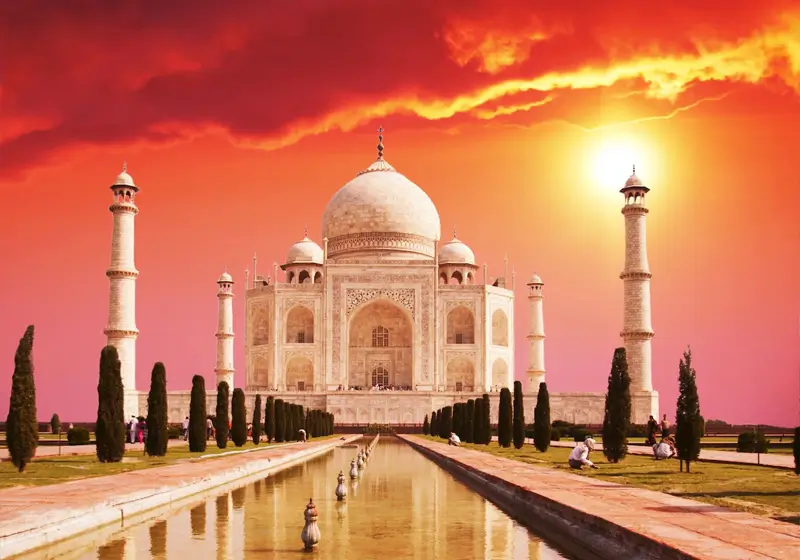
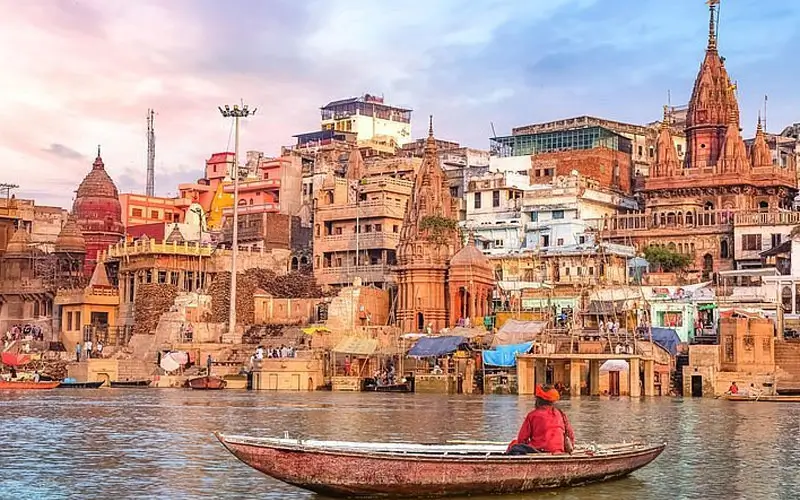
Varanasi and Agra represent two profoundly different yet complementary dimensions of India’s cultural identity. Varanasi embodies spirituality, ritual, and ancient continuity along the sacred Ganges River. Agra symbolizes imperial Mughal architecture and timeless romance through the Taj Mahal. Combining both destinations within one journey enriches the visitor experience, offering both introspection and architectural splendor.
Previously, travelers often chose between including Varanasi or maintaining a shorter Golden Triangle itinerary due to time constraints. Lengthy road journeys discouraged seamless integration. The improved expressway connectivity now allows both destinations to coexist within compact travel plans.
For foreign visitors seeking immersive cultural travel, the ability to move efficiently between these cities enhances itinerary depth. Morning Ganga Aarti ceremonies in Varanasi can now be followed by sunset views of the Taj Mahal within the same extended travel framework.
The Purvanchal Expressway strengthens Uttar Pradesh’s tourism backbone by bridging spiritual and historical capitals through reliable infrastructure.
Planning to travel from Varanasi to Agra quickly and comfortably? Book a private car with an experienced driver and enjoy a smooth journey while exploring India's most iconic destinations.
The Purvanchal Expressway was designed to enhance mobility across eastern Uttar Pradesh and connect it with central regions. By linking major highways and reducing urban bottlenecks, the corridor allows uninterrupted high-speed travel. Controlled access points, improved lane discipline, and modern safety features collectively reduce journey duration.
Travelers now experience fewer traffic disruptions compared to traditional highways crowded with mixed vehicles and local traffic intersections. For private chauffeur-driven transfers, the consistency of speed and smoother surfaces significantly enhance comfort.
Reduced travel time does not only benefit tourists. It supports tour operators in designing tighter schedules, enabling same-day transfers without sacrificing sightseeing opportunities. For example, a visitor can explore Varanasi’s ghats in the early morning and comfortably reach Agra for an evening heritage stay.
The Varanasi to Agra travel time improvement reflects broader modernization in India’s transport network.
The classic Golden Triangle Tour India traditionally connects Delhi, Agra, and Jaipur. Varanasi has often been added as a spiritual extension, yet travel logistics previously required overnight trains or domestic flights. Expressway connectivity introduces an alternative: comfortable road transfers.
Road journeys provide greater flexibility compared to fixed train schedules or airport procedures. Travelers enjoy door-to-door service, scenic countryside views, and personalized stops at local eateries or craft villages.
Luxury tour operators now promote curated Golden Triangle with Varanasi packages that highlight efficient road transfers. The expressway enhances itinerary fluidity, allowing tourists to balance structured sightseeing with relaxed travel.
This infrastructure advancement encourages more travelers to extend their stay beyond the core triangle, deepening engagement with Uttar Pradesh’s cultural heritage.
The rise of expressway travel aligns with growing demand for private luxury transfers. International visitors often prefer chauffeur-driven vehicles over crowded public transport. The improved corridor ensures smoother rides, reduced travel fatigue, and predictable arrival times.
Premium SUVs and executive sedans offer climate control, spacious seating, and Wi-Fi connectivity, allowing travelers to work or relax during transit. The consistency of the expressway surface reduces vibration and enhances passenger comfort.
Luxury road travel supports experiential tourism. Travelers may choose to stop at rural craft clusters or scenic rest areas, transforming transit into exploration.
The evolution of Uttar Pradesh tourism infrastructure positions road travel as a sophisticated alternative to short-haul flights.
Infrastructure improvements directly influence tourism growth. Faster connectivity increases visitor volumes and encourages longer stays. Hotels, restaurants, handicraft markets, and local guides benefit from expanded tourist flows.
Agra and Varanasi both witness ripple effects. Boutique hotels see increased bookings from travelers combining both cities within a single itinerary. Local artisans gain access to broader markets as tour operators introduce cultural stops along expressway routes.
The expressway also supports domestic tourism. Weekend travelers from Lucknow and eastern Uttar Pradesh now consider Agra more accessible. This broader movement stimulates hospitality investment and job creation.
The Purvanchal Expressway impact on tourism demonstrates how infrastructure can elevate regional economies.
Safety and reliability are primary concerns for foreign visitors. Modern expressways incorporate improved signage, better lighting, and controlled entry systems that reduce accident risk. These features enhance traveler confidence.
Predictable travel time improves itinerary planning. Tourists no longer need to allocate buffer hours for uncertain delays. Timely arrivals support scheduled monument visits, guided tours, and dinner reservations.
For travelers on tight schedules, such reliability strengthens satisfaction and reduces stress. The improved corridor elevates the perception of India’s tourism standards.
Explore India’s famous destinations with a private driver and comfortable car service. Enjoy safe travel, flexible routes, and a memorable road trip experience across India.
Efficient highways contribute to fuel optimization and lower emissions by reducing stop-and-go traffic. Vehicles traveling at steady speeds consume fuel more efficiently, aligning with sustainable travel values.
The corridor also reduces congestion in smaller towns previously burdened by through-traffic. Local communities experience decreased traffic noise and improved road safety.
Sustainability increasingly influences tourism choices. The expressway supports eco-conscious travel by enhancing fuel efficiency and promoting organized transit routes.
The synergy between Varanasi’s spiritual ambiance and Agra’s architectural legacy becomes more accessible through enhanced connectivity. Travelers can experience dawn rituals on the Ganges and later admire Mughal artistry without exhausting travel segments.
This integration enriches narrative-based travel. Tour guides weave stories of India’s ancient traditions and imperial history within a single seamless journey.
The corridor strengthens thematic travel circuits, allowing tourists to perceive India as an interconnected cultural tapestry rather than isolated destinations.
The success of the Purvanchal Expressway signals a broader transformation in regional connectivity. As additional corridors integrate with national highways, travel patterns will continue evolving.
Tour operators are already redesigning itineraries to maximize reduced transit time. Travelers benefit from more immersive stays and diversified cultural experiences.
Infrastructure advancement reflects India’s commitment to modernizing tourism access while preserving heritage authenticity.
Travel time has reduced significantly and can be completed in approximately five hours under smooth conditions.
Modern expressways and luxury vehicles provide comfortable and reliable travel experiences.
Road travel offers a flexible alternative to short-haul flights for many travelers.
It allows easier inclusion of Varanasi as a seamless extension to the classic route.
Many tour operators offer executive vehicles for expressway transfers.
It includes modern safety systems and controlled access points.
Improved access encourages higher visitor volumes and longer stays.
Reduced travel time makes such combinations more feasible.
Consistent highway speeds support improved fuel efficiency.
Reliable connectivity enhances comfort, safety, and economic development.
Fill in the details below. Our expert consultant will respond within 4 hours with a bespoke itinerary crafted just for you — completely free, no obligation.