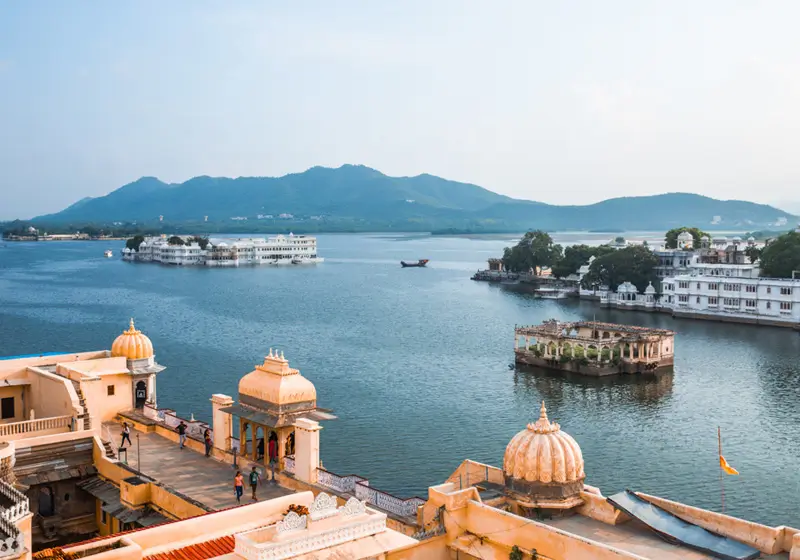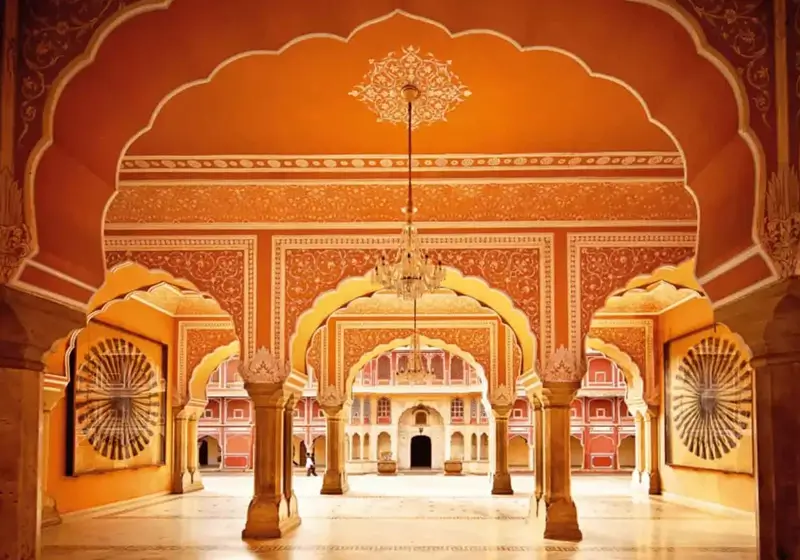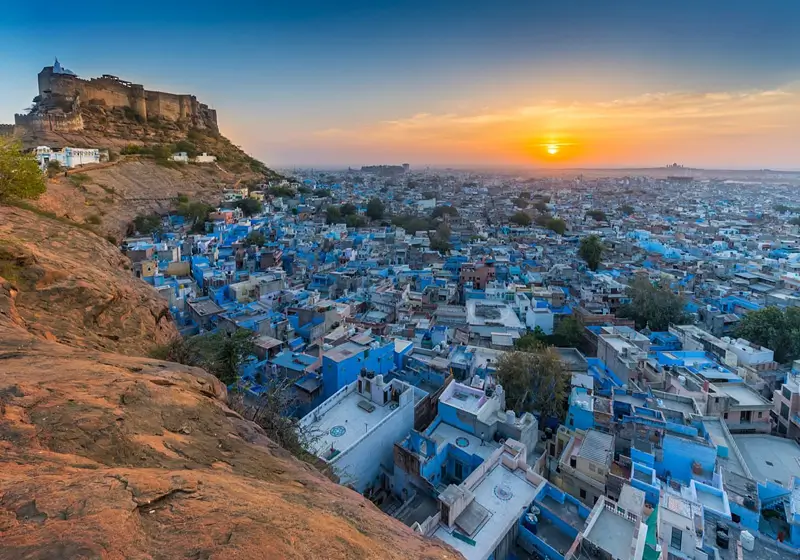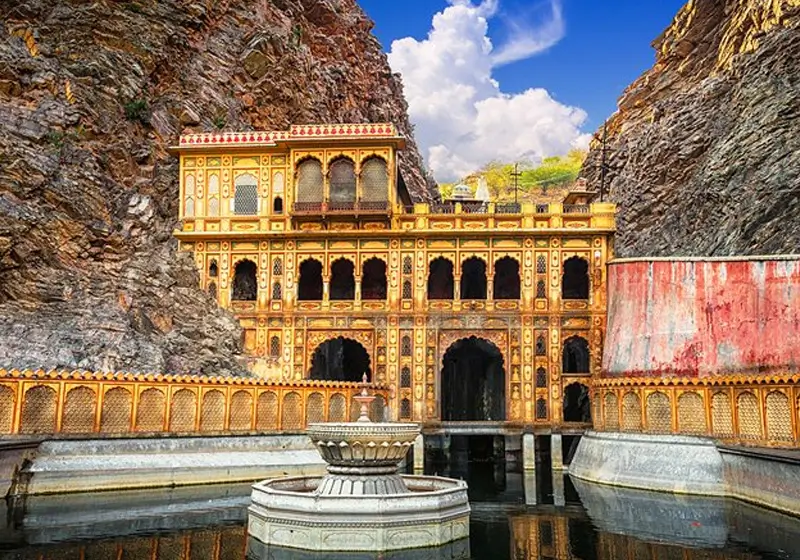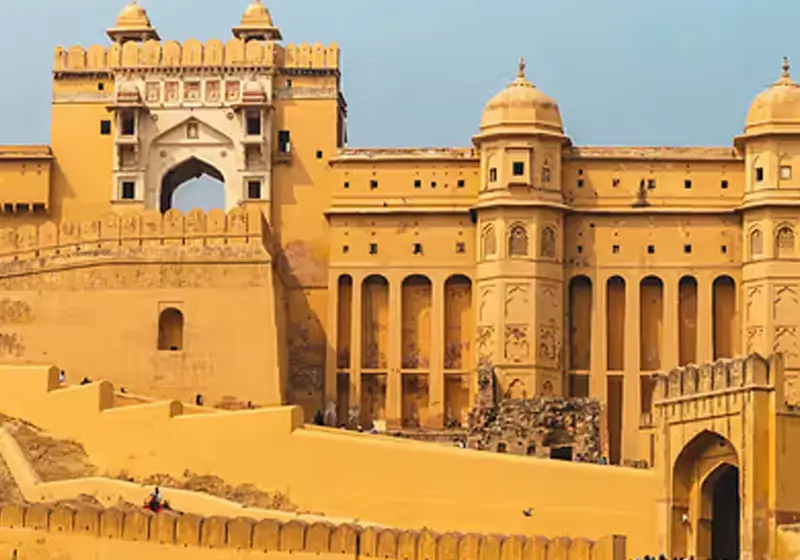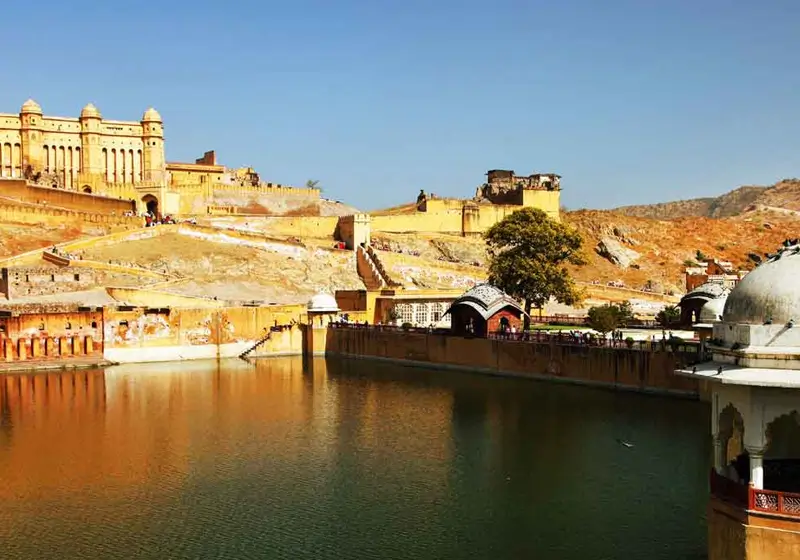
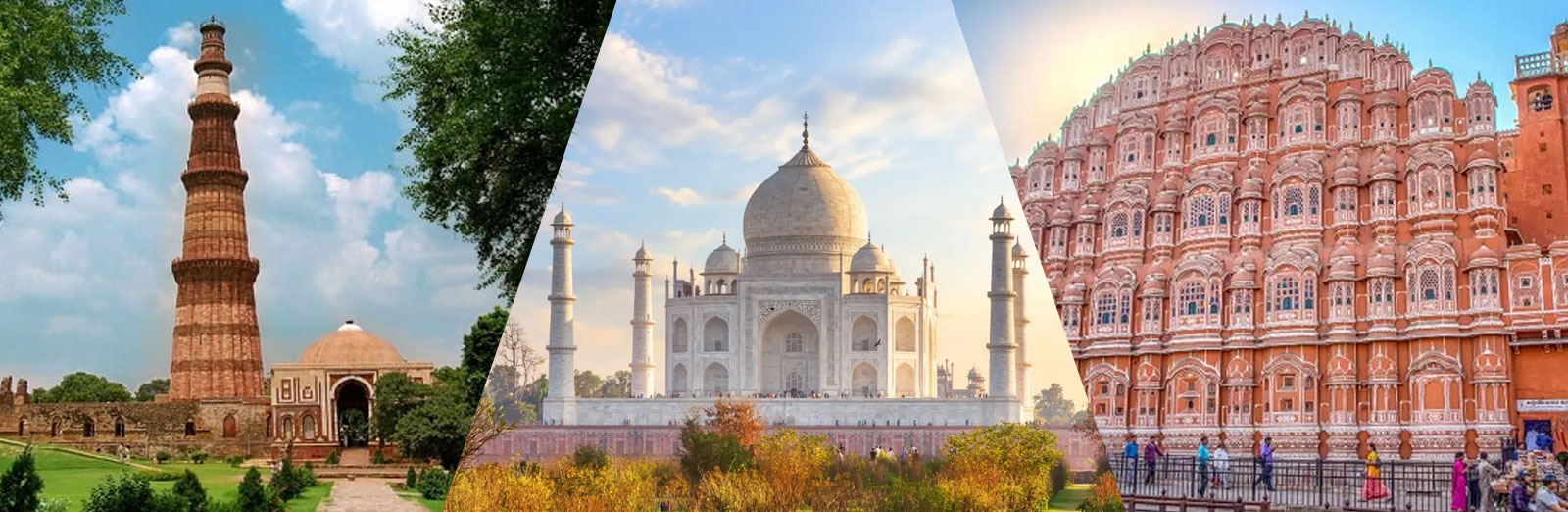
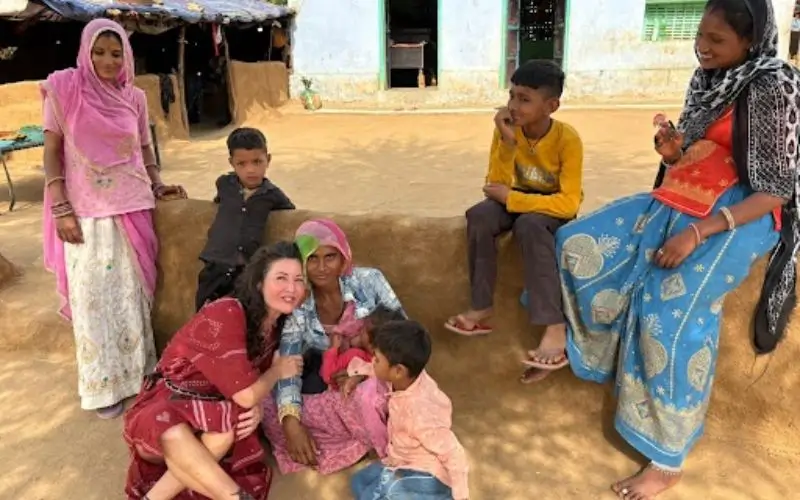
When international travelers imagine Rajasthan, images of magnificent palaces, golden deserts, colorful markets, and historic forts usually come to mind. These attractions are undeniably impressive and form an important part of the region's appeal. However, limiting a visit to famous monuments means missing another side of Rajasthan that is equally fascinating. Beyond the cities lies a network of villages where daily life continues to follow rhythms shaped by tradition, agriculture, craftsmanship, family relationships, and community values. A Village Tour in Rajasthan provides access to this often-overlooked world and offers travelers one of the most authentic cultural experiences available in India.
Modern tourism frequently focuses on iconic landmarks because they are easy to promote and convenient to visit. Yet many travelers eventually seek experiences that go beyond photography and sightseeing. They want to understand how people live, work, celebrate, and interact within their communities. Rajasthan's villages offer precisely these opportunities. Visitors encounter everyday life rather than staged performances, gaining perspectives that deepen their understanding of both the region and the country as a whole.
One of the most striking aspects of rural Rajasthan is the continuity of tradition. While cities continue to modernize rapidly, many villages preserve customs, occupations, and social structures that have evolved over centuries. Agriculture remains central to local life, traditional crafts continue to provide livelihoods, and community gatherings play important roles in maintaining social connections. Observing these practices allows visitors to appreciate the resilience of cultural heritage in a changing world.
A well-designed Rural Rajasthan Tour focuses on meaningful interaction rather than passive observation. Travelers may spend time with farming families, visit artisan workshops, learn about local traditions, participate in community activities, or share meals with residents. These experiences create opportunities for genuine cultural exchange and often become highlights of a journey through India.
The pace of life in villages also contrasts sharply with urban environments. Many visitors find the slower rhythm refreshing. Early mornings begin with agricultural work, livestock care, and household activities. Afternoons may involve craft production, market visits, or social gatherings. Evenings often bring families together in ways that are increasingly rare in more urbanized settings. Witnessing this lifestyle encourages reflection on different approaches to community, work, and wellbeing.
Village tourism is particularly appealing to travelers interested in Experiential Travel in India. Rather than simply observing culture from a distance, participants become active learners. Conversations with local residents provide insights that cannot be gained through guidebooks or museum exhibits. Visitors hear personal stories, learn about local challenges and aspirations, and develop deeper appreciation for rural life.
Another important aspect is the diversity found within Rajasthan itself. Different regions have distinct architectural styles, agricultural practices, crafts, cuisines, and cultural traditions. Village tours reveal this variety and help travelers understand that Rajasthan is not a single homogeneous culture but a mosaic of communities with unique identities.
Responsible village tourism also contributes to local economies by creating opportunities beyond agriculture and traditional occupations. When managed thoughtfully, tourism supports community development while encouraging preservation of cultural heritage. Visitors benefit from authentic experiences, while residents gain additional sources of income and increased recognition for their traditions.
For travelers seeking a deeper understanding of India, village tours offer something that major attractions often cannot: meaningful human connections. These encounters create lasting memories and provide perspectives that continue to influence travelers long after their journeys end.
Trade busy tourist attractions for peaceful village lanes, warm hospitality, and unforgettable cultural encounters. Discover a slower, richer way to experience Rajasthan through its people, traditions, and everyday life.
Daily Life in Rajasthan's Villages: A Window into Authentic Rural Culture
One of the greatest rewards of a Village Experience in Rajasthan is the opportunity to observe everyday life as it naturally unfolds. Unlike urban tourist attractions designed specifically for visitors, village environments operate according to local needs and traditions. Travelers become guests within functioning communities rather than spectators at staged events.
Agriculture remains central to life in many villages. Depending on the region, farmers cultivate crops such as wheat, millet, mustard, pulses, vegetables, and various seasonal products. Visiting agricultural communities allows travelers to understand how climate, water availability, and local knowledge influence farming practices. Many visitors are surprised by the sophistication of traditional techniques that have evolved to address challenging environmental conditions.
Livestock also plays an important role in rural economies. Cattle, goats, camels, sheep, and buffalo contribute to household livelihoods through milk production, transportation, wool, and agricultural support. Interactions with farming families often include discussions about animal care, breeding practices, and the relationship between livestock and community life.
Village architecture provides additional insight into local culture. Homes are often designed to suit environmental conditions, using materials available within the region. Mud walls, stone construction, courtyards, decorative entrances, and shaded outdoor spaces reflect generations of practical adaptation. Walking through village streets reveals how architecture supports social interaction, climate management, and daily activities.
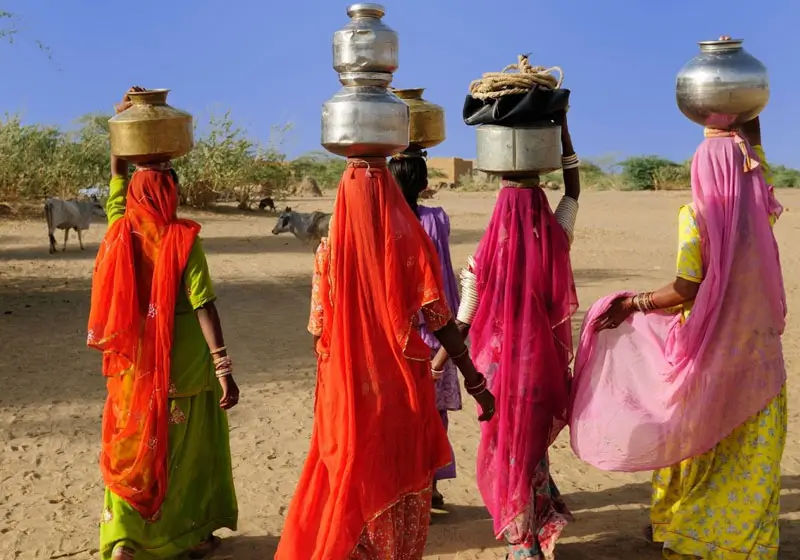
Women frequently play central roles in household management, craft production, agriculture, and community life. Visitors interested in social and cultural traditions often gain valuable insights through conversations with local women. These interactions may involve cooking demonstrations, textile work, embroidery, pottery, or discussions about family customs and celebrations.
Food represents another important aspect of village experiences. Traditional meals are often prepared using locally grown ingredients and recipes passed through generations. Sharing food with residents provides opportunities to learn about culinary traditions while strengthening cultural connections. Many travelers consider these meals among the most memorable dining experiences of their journeys.
Community relationships are often particularly strong in rural environments. Festivals, weddings, religious ceremonies, and seasonal celebrations bring residents together in ways that highlight collective identity and mutual support. Travelers fortunate enough to witness such events gain unique perspectives on social life and cultural continuity.
The educational value of observing daily life should not be underestimated. Visitors learn about resource management, family structures, agricultural systems, traditional knowledge, and community resilience. These lessons often challenge assumptions and broaden understanding of different ways of living.
Photography enthusiasts frequently find village life fascinating because it offers authentic visual storytelling opportunities. However, the true significance of these experiences extends beyond images. The personal interactions, conversations, and observations create deeper appreciation for rural culture and the people who sustain it.
For travelers interested in authenticity, daily life in Rajasthan's villages provides insights that are impossible to replicate within conventional tourism settings. The experience encourages curiosity, empathy, and cultural understanding while revealing aspects of India that many visitors never encounter.
Many of Rajasthan's villages are known not only for agriculture but also for remarkable artisan traditions. These communities preserve skills that have been passed from one generation to another, creating products that continue to attract admiration throughout India and around the world. A Village Craft Tour Rajasthan allows travelers to witness these traditions firsthand while supporting the people responsible for keeping them alive.
Textile production is among the most prominent village-based industries. Weaving, embroidery, block printing, dyeing, and stitching provide employment for numerous families. Visitors often observe artisans working with techniques that have changed little over centuries. The patience and precision required to create handmade products quickly become apparent.
Pottery villages offer equally fascinating experiences. Craftsmen shape clay using traditional methods, transforming simple materials into functional and decorative objects. Watching skilled potters work demonstrates how expertise develops through years of practice and observation. Many workshops also allow visitors to try basic techniques, creating memorable hands-on experiences.
Leatherwork, wood carving, metalwork, basket weaving, and jewelry production are found in various communities throughout Rajasthan. Each craft reflects local history, available resources, and cultural influences. Understanding these connections helps travelers appreciate the broader significance of artisan traditions beyond their economic value.
Artisan visits often create opportunities for meaningful conversations about the challenges facing traditional crafts. Competition from mass-produced goods, changing consumer preferences, and migration to urban areas can threaten the survival of heritage skills. Tourism provides valuable support by generating income and increasing awareness of these traditions.
Many travelers choose to purchase products directly from artisans rather than through intermediaries. This approach ensures that economic benefits reach the creators themselves while allowing visitors to learn about the origins of the items they buy. Such purchases often carry greater personal significance because they are associated with specific individuals and experiences.
The preservation of traditional skills has implications beyond economics. Artisan traditions embody cultural knowledge, artistic creativity, and historical continuity. Supporting these communities contributes to safeguarding important aspects of Rajasthan's heritage for future generations.
Village artisan experiences also align with growing interest in Sustainable Tourism India. Travelers increasingly seek opportunities to engage with local communities in ways that create positive social and economic impacts. Artisan visits provide excellent examples of tourism that benefits both visitors and residents.
For culturally curious travelers, meeting artisans often becomes one of the most memorable aspects of a village tour. The opportunity to observe creativity, dedication, and craftsmanship at close range creates appreciation that extends far beyond the products themselves.
Wake up to birdsong, stroll through vibrant village streets, and witness traditions that continue to thrive across rural Rajasthan. Experience a journey filled with meaningful encounters and unforgettable stories.
Why Village Tourism Is Becoming an Essential Part of Modern Travel
Travel preferences have changed significantly over recent years. Increasing numbers of visitors prioritize authenticity, cultural immersion, and meaningful experiences over conventional sightseeing alone. Village tourism reflects this shift by offering opportunities to engage directly with local communities and understand daily life beyond major tourist destinations.
A Village Tour in India appeals particularly to travelers who value learning and cultural exchange. Rather than focusing exclusively on historical monuments, these experiences highlight contemporary realities and human stories. Visitors gain insights into how traditions continue to shape everyday life while observing how communities adapt to changing circumstances.
Village tourism also encourages slower, more mindful travel. Instead of rushing between attractions, participants spend time observing, listening, and interacting. This approach often leads to deeper understanding and more satisfying experiences. Travelers return home with stories about people and relationships rather than simply lists of places visited.
Another important advantage is the opportunity to challenge stereotypes. Media portrayals of rural life often oversimplify complex realities. Direct interaction allows visitors to develop more nuanced perspectives based on firsthand experience rather than assumptions. Many travelers discover levels of innovation, resilience, and sophistication they had not expected.
Environmental considerations further support the growth of village tourism. Smaller-scale tourism activities generally place less pressure on infrastructure than mass tourism concentrated in major destinations. When managed responsibly, village tourism can contribute to sustainable development while preserving cultural and natural resources.
For international visitors exploring Rajasthan, village experiences provide valuable balance. After visiting grand palaces and historic forts, spending time in rural communities adds depth and context to the journey. Travelers gain appreciation not only for Rajasthan's past but also for the people who continue to shape its present.
The future of tourism increasingly lies in experiences that foster connection, understanding, and mutual respect. Village tours exemplify this approach by creating opportunities for meaningful interaction between travelers and local residents. These encounters benefit both groups while contributing to cultural preservation and economic development.
For anyone seeking to experience the real heart of Rajasthan, village tours offer unparalleled opportunities. They reveal the traditions, relationships, skills, and values that continue to define rural life and provide insights that remain meaningful long after the journey has ended.
A village tour allows travelers to visit rural communities and experience local culture, traditions, crafts, and daily life.
Yes. Many village tourism programs are designed specifically for international visitors and provide cultural insights in comfortable settings.
Activities may include meeting local families, visiting farms, observing artisan workshops, enjoying traditional meals, and learning about rural traditions.
Yes. Responsible village tours encourage respectful interaction and cultural exchange with community members.
Reputable operators organize safe and well-planned experiences with knowledgeable guides.
Modest and comfortable clothing is generally recommended to respect local customs and ensure comfort.
Absolutely. Many village experiences are located near Jaipur and can be added easily to Golden Triangle journeys.
Yes. Tourism creates additional income opportunities and helps support cultural preservation efforts.
Village tours offer excellent photography opportunities, though visitors should always seek permission before photographing people.
Travelers increasingly seek authentic cultural experiences, meaningful interactions, and deeper understanding of local communities.
Fill in the details below. Our expert consultant will respond within 4 hours with a bespoke itinerary crafted just for you — completely free, no obligation.