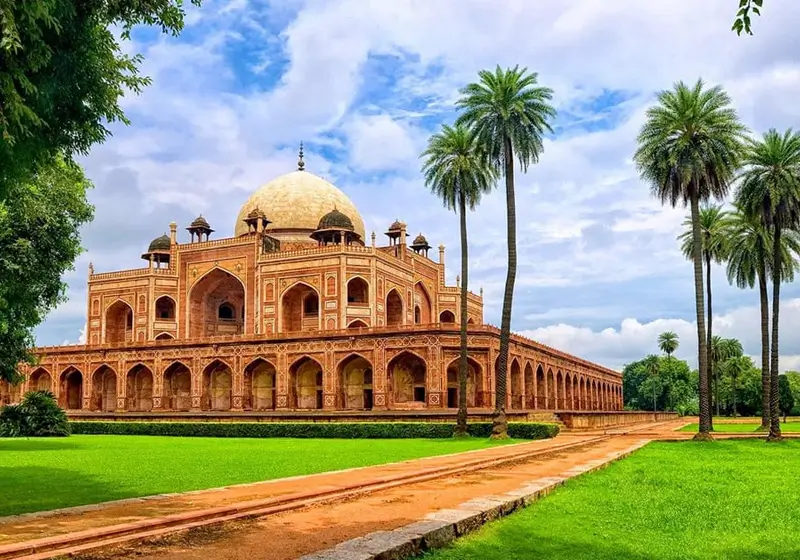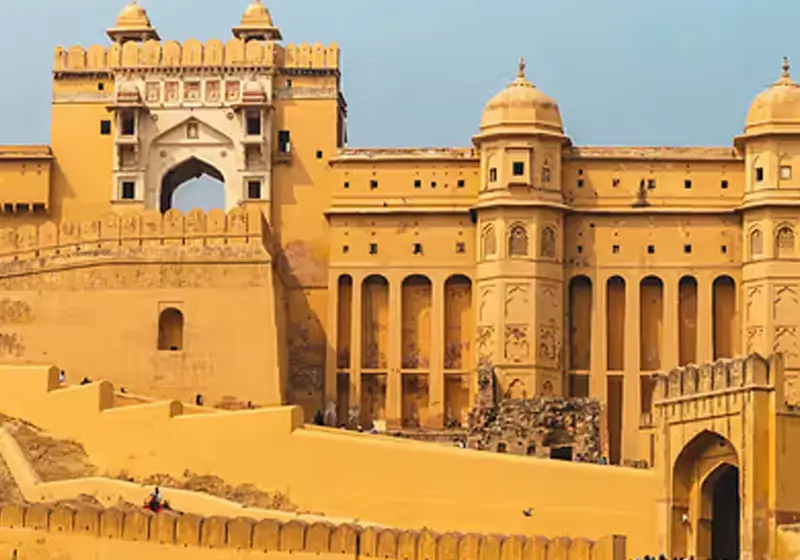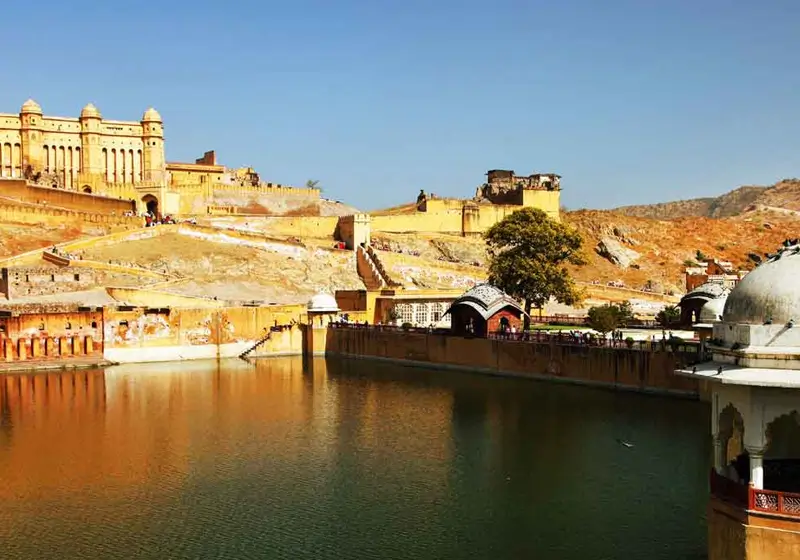
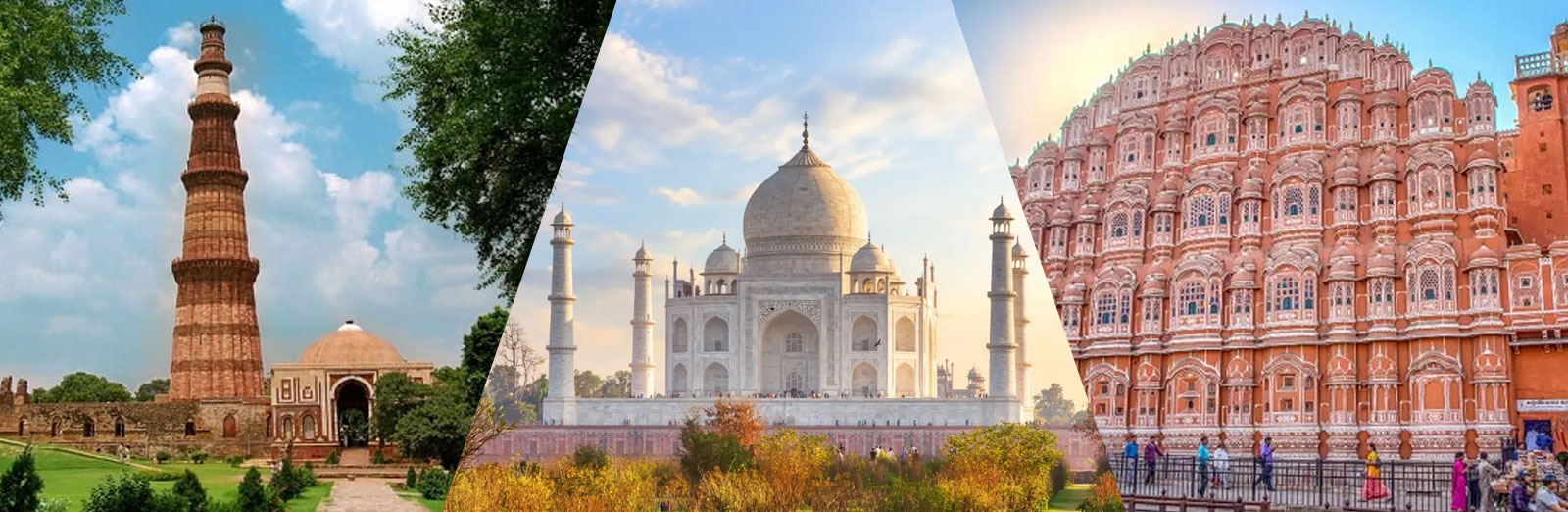
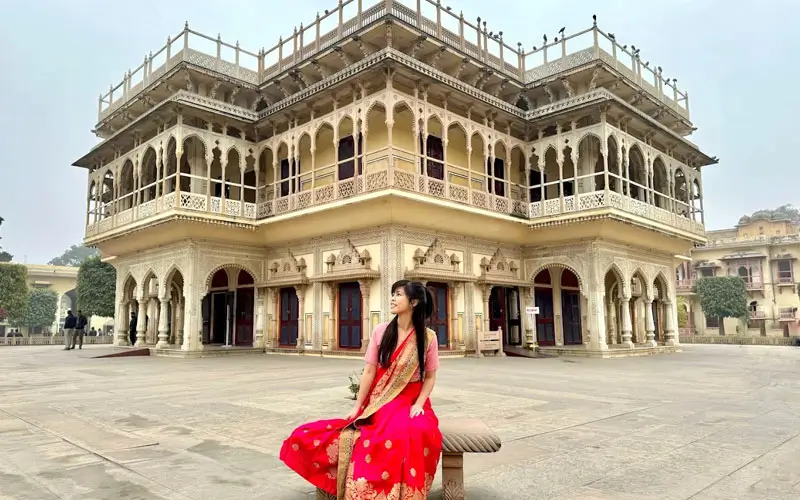
The Golden Triangle—Delhi, Agra and Jaipur—is one of India’s most iconic travel circuits, attracting millions of travellers from around the world. While the route is beautiful throughout the year, the experience changes dramatically with the seasons. Weather impacts sightseeing comfort, photography conditions, crowd levels, pricing, and even the atmosphere of monuments. Understanding the month-by-month climate helps travellers plan a smooth, enjoyable and meaningful Golden Triangle journey.
This comprehensive guide offers a detailed breakdown of weather patterns, temperature expectations, humidity levels, seasonal colours, local trends and ideal activities for each month. Whether travellers prefer winter comfort, spring colours, monsoon landscapes or summer quietness, the Golden Triangle offers something unique in every season.
Throughout the blog, essential keywords such as best time to visit Golden Triangle, weather in Delhi Agra Jaipur, Golden Triangle travel months, seasonal travel India, ideal time Taj Mahal, Jaipur climate guide, and Agra month-wise weather appear naturally within the narrative.
The Golden Triangle involves full days of sightseeing, outdoor walks, market explorations, heritage visits and photography sessions. Weather affects:
• Daytime comfort during long walks
• View clarity at Taj Mahal
• Crowd levels at major attractions
• Sunrise and sunset photography
• Traffic conditions
• Seasonal festivals
• Hotel pricing
• Overall mood and atmosphere
Choosing the right month enhances every moment of the journey.
Planning a Golden Triangle trip? Get the perfect travel experience by choosing the right weather and season for Delhi, Agra, and Jaipur.
January is one of the most pleasant months to visit the Golden Triangle. The days are cool, evenings are crisp, and mornings bring gentle winter mist.
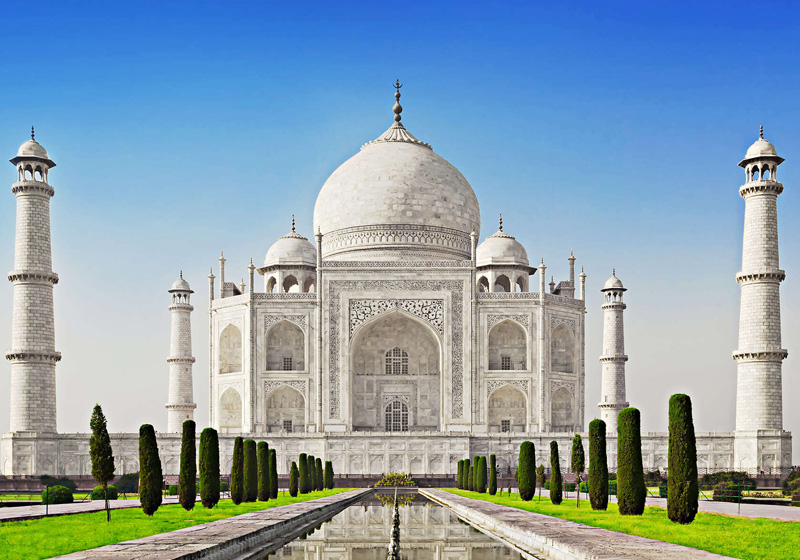
Delhi enjoys mild sunshine, Agra feels romantic with soft fog around the Taj Mahal, and Jaipur offers comfortable weather for forts, palaces and outdoor dining.
Travellers love this month for:
• Peaceful winter mornings
• Misty Taj Mahal photography
• Warm daytime sightseeing
• Rooftop dinners in Jaipur
• Festival season energy
Hotel demand is high due to peak tourism.
February continues the pleasant winter trend with slightly warmer days and cool evenings. It is one of the best months for outdoor sightseeing as humidity remains low.
The region sees blooming flowers, clear skies and soft sunlight. Jaipur’s gardens and Delhi’s parks appear vibrant. The Taj Mahal’s marble reflects beautifully under crisp sunshine.
Travellers enjoy:
• Comfortable sightseeing all day
• Clear blue skies ideal for photography
• Romantic ambiance around the Taj
• Festival celebrations in Jaipur and Delhi
This is perfect for travellers who want balance between cool weather and comfortable warmth.
March brings spring energy to the Golden Triangle. Days start getting warm, but mornings and evenings remain pleasant. The landscape becomes colourful, markets feel lively, and the festive spirit increases with Holi celebrations.
Light cotton clothing becomes ideal. Days remain excellent for forts, palaces and gardens.
March offers:
• Warm but not hot weather
• Ideal lighting for photography
• Garden blooms across Delhi and Agra
• Comfortable evenings for markets
• Energetic festival season
This is a great transitional month for travellers who enjoy bright landscapes.
April marks the beginning of true summer. Temperatures rise, but mornings remain enjoyable. Crowds start to reduce significantly, allowing more peaceful monument visits.
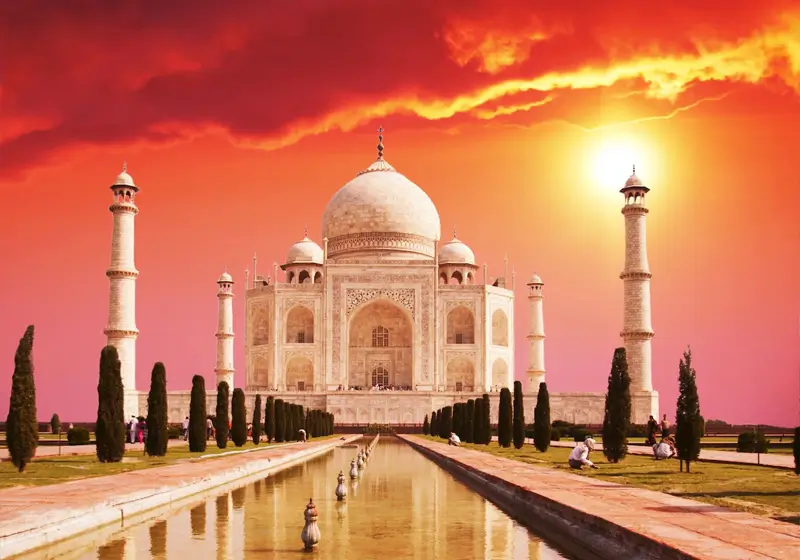
The Taj Mahal at sunrise becomes especially beautiful due to clear air and golden light. Jaipur’s evenings grow warmer but still manageable.
April offers advantages like:
• Fewer crowds across monuments
• Quiet sunrise visits
• Long daylight hours
• Hotel discounts in many areas
Travellers who prefer peaceful sightseeing find April rewarding.
May is one of the hottest months, especially in Jaipur and Agra. However, it is also one of the quietest. Early mornings and late afternoons remain comfortable for monuments.
While daytime temperatures rise, travellers using private cars with AC and smart timing strategies enjoy crowd-free experiences.
May brings:
• Minimal waiting lines
• Peaceful Taj Mahal mornings
• Ideal hotel deals
• Clear skies for photography
• Very low tourist density
Travellers who can plan around heat benefit from exclusivity and calmness.
June remains warm but atmospheric changes begin with pre-monsoon winds. Clouds appear, evenings cool slightly, and sunsets become dramatic with purple and orange hues.
Agra and Jaipur sometimes experience thunder showers that enhance greenery. Delhi becomes lush in certain pockets.
June offers:
• Dramatic skies for photography
• Softening temperatures
• Reduced crowds
• Short bursts of refreshing rain
• Affordable travel costs
Travellers who love photography enjoy this month.
July is the true beginning of monsoon. Rain showers vary from light drizzles to refreshing bursts. The Golden Triangle becomes green and vibrant.
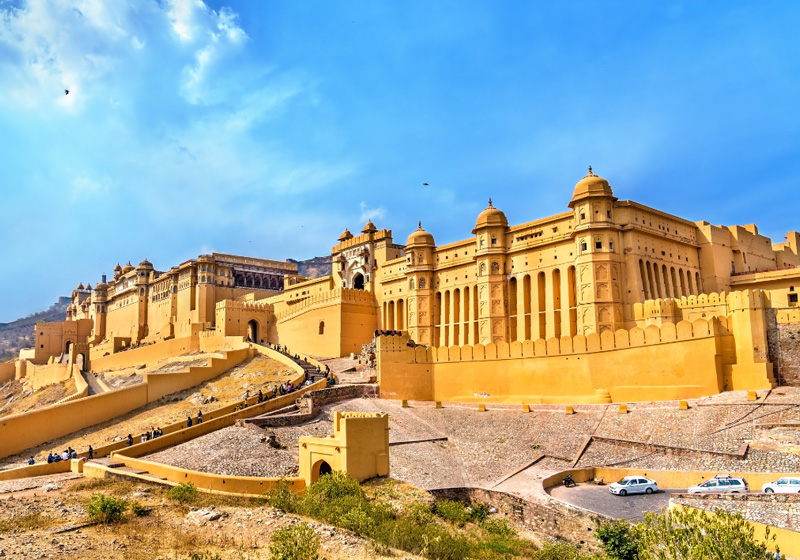
The Taj Mahal looks striking against cloudy, moody skies. Jaipur’s forts appear more dramatic with dark monsoon clouds as backdrop.
Travellers appreciate July for:
• Fresh greenery
• Romantic Taj Mahal ambience
• Cool evenings
• Fewer crowds
• Low hotel rates
Monsoon adds a poetic backdrop to sightseeing.
August continues monsoon weather with more consistent rain patterns. Days are humid but cooler compared to summer. The region feels alive with cultural events and festive preparations.
Agra’s gardens, Delhi’s parks and Jaipur’s hills appear lush.
August offers:
• Atmospheric landscapes
• Comfortable temperatures
• Brightly washed monuments
• Reduced crowd pressure
• Colourful cultural events
Travellers who enjoy slow, peaceful sightseeing love this month.
September brings some of the best photography conditions of the year. The landscape remains green, rainfall decreases, and skies begin clearing.
Temperatures stay moderate, especially in the second half.
September provides:
• Crystal-clear Taj Mahal views
• Beautiful golden-hour lighting
• Comfortable walking conditions
• Lush scenery around Jaipur forts
• Calm before peak season begins
This is a near-perfect balance of weather, prices and crowd levels.
October is one of the most recommended months for the Golden Triangle. Days are warm but pleasant, evenings cool down, and the festive season begins.
Crowds begin increasing, but weather comfort outweighs it.
October offers:
• Pleasant days for sightseeing
• Soft winter sunlight
• Festive atmosphere
• Comfortable markets and bazaars
• Perfect timing for photography
Travellers enjoy the best of weather without extreme conditions.
Whether you want pleasant winters or budget-friendly summers, check the month-wise weather guide and plan your Golden Triangle tour smoothly.
November marks the start of peak winter comfort. The weather becomes ideal for long sightseeing days, rooftop dining, desert drives, fort visits and sunrise Taj views.
The Golden Triangle becomes vibrant with Diwali celebrations, decorated streets and cultural activities.
Travellers appreciate November for:
• Cool mornings
• Perfect sightseeing temperatures
• Festival lights and cultural charm
• Crisp, clear air for photography
• Lively markets
This is one of the most atmospheric months.
December is one of the busiest months for tourism. Cool days, cold nights and clear skies make it ideal for travellers from colder countries seeking pleasant winter sun.
Christmas celebrations add global atmosphere in hotels, restaurants and markets.
December offers:
• Excellent weather all day
• Attractive winter sunrise
• Clear skies for Taj Mahal photos
• Festive dining and events
• Very vibrant city ambience
It is a peak month with high demand.
The best months for the Taj Mahal are:
• November
• December
• January
• February
• March
• Early April
• Late September
These months offer the clearest views, soft light, comfortable walking conditions and pleasant atmosphere.
Sunrise remains the best time of day year-round.
Jaipur is hotter than Delhi and Agra, so cooler months offer the best comfort.
Ideal months:
• October to March
• Early April
• Late September
Evenings in Jaipur become magical during winter with lighted monuments and pleasant dinner weather.
Delhi’s comfortable months for sightseeing:
• November to March
• Late October
• Early April
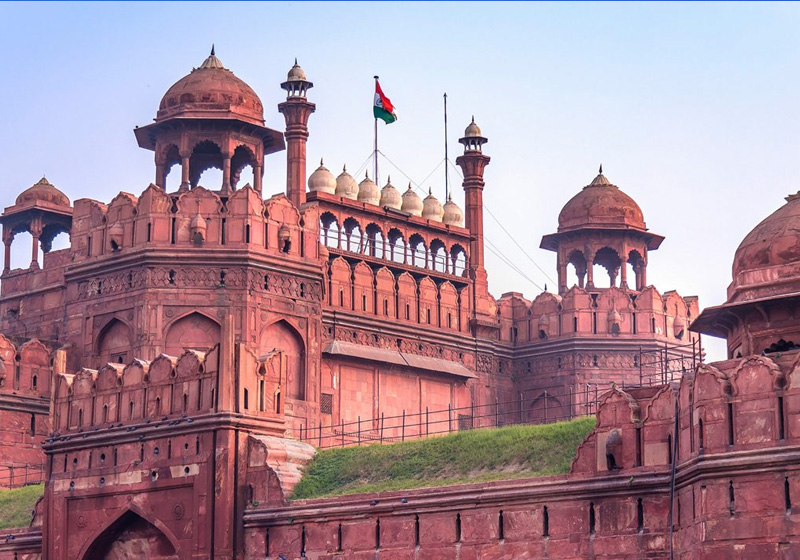
Cool-season mornings make walking inside the Red Fort calm and pleasant.
Different travellers may prefer different seasons:
Photography lovers enjoy September, November and February.
Budget travellers enjoy April, May, June and July.
Peace-seeking travellers enjoy May, June and July for quiet monuments.
Festival lovers enjoy October and November.
Cool-weather travellers enjoy December to February.
Nature lovers enjoy July to September.
Each month offers its own magic.
Despite seasonal variations, the Golden Triangle remains enjoyable year-round because:
• Monsoon brings greenery and mood
• Summer offers crowd-free monuments
• Winter offers perfect comfort
• Festivals create unforgettable energy
• Clear skies enhance photography
• Hotels adapt to each season
• A private car and driver ensure comfort anytime
With smart planning, the journey becomes beautiful in every season.
November to February offer the best weather and atmosphere.
Summer is hot, but early mornings and private cars make sightseeing comfortable with fewer crowds.
Yes, monsoon offers lush landscapes, dramatic skies and peaceful monuments.
February, March, September and October offer clear views.
Winters are cool and comfortable; mornings may feel chilly.
April to September provide excellent value.
Yes, monsoon enhances their dramatic appearance.
Yes, summer offers the quietest experiences.
Yes, December is one of the peak months.
October and November bring vibrant celebrations.
Fill in the details below. Our expert consultant will respond within 4 hours with a bespoke itinerary crafted just for you — completely free, no obligation.