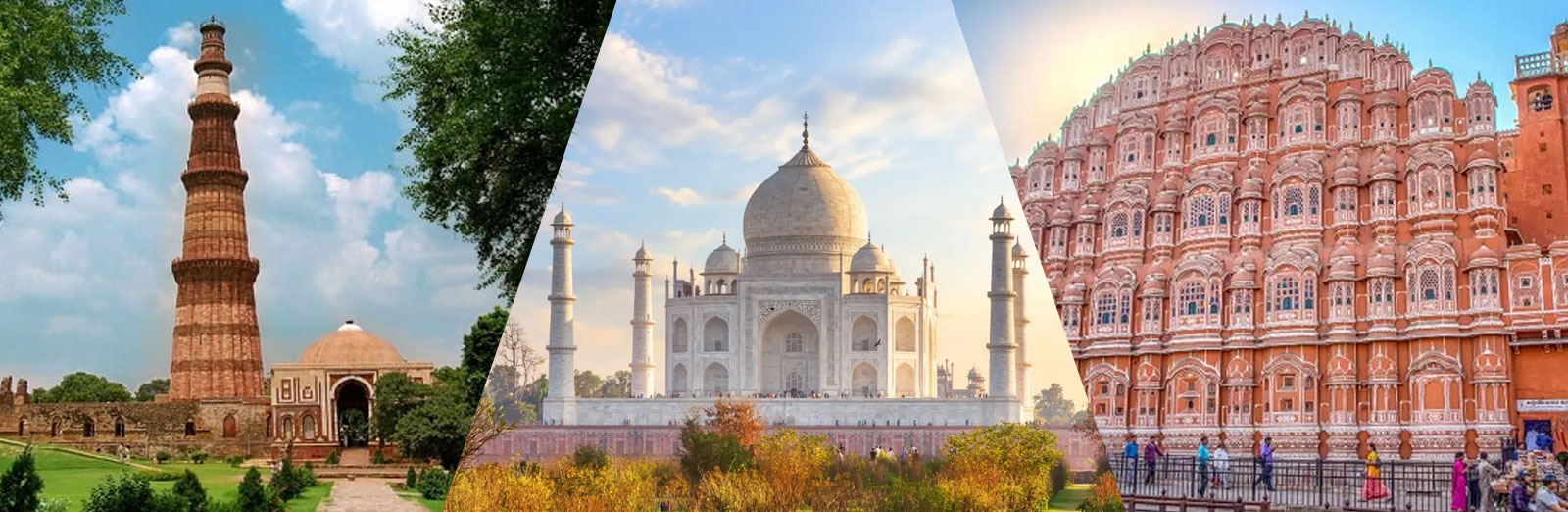
Itinerary ideas, cultural insights, luxury tips and practical planning guides for every India traveller.
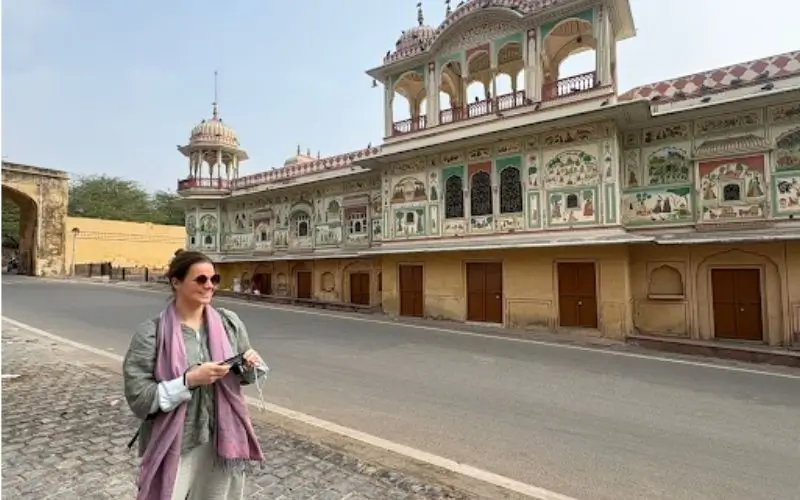
Among all the questions international travelers ask before visiting India, one appears more frequently than almost any other:
What should I wear in India as a female tourist?
The question is understandable.
India is often portrayed through dramatically different images. Some travelers imagine ultra-modern cities filled with luxury hotels and international fashion brands. Others picture traditional communities where cultural customs influence everyday life. Both images are accurate, which can make packing decisions surprisingly difficult.
For women visiting India for the first time, especially those planning a Golden Triangle Tour, uncertainty about clothing is completely normal. Travelers want to feel comfortable, respect local customs, stay cool during sightseeing, take great photographs, and avoid overpacking. Balancing all of these considerations can seem challenging before arrival.
The good news is that India is generally far more diverse and flexible than many first-time visitors expect.
The Golden Triangle route—Delhi, Agra, and Jaipur—is one of the country's most visited tourism circuits. These cities welcome millions of international travelers every year. Local residents, hotel staff, guides, and tourism professionals are accustomed to visitors from around the world, and travelers generally enjoy considerable freedom regarding clothing choices.
However, understanding local expectations remains important.
Choosing appropriate clothing is not about following strict rules. It is about maximizing comfort, showing cultural awareness, and ensuring positive experiences throughout the journey. Small adjustments often make a significant difference, particularly when visiting religious sites, traditional communities, rural areas, or heritage locations.
One of the biggest misconceptions is that female travelers need to completely change their wardrobe when visiting India.
This is not true.
Most visitors can wear clothing they already own, provided they make thoughtful choices regarding coverage, fabrics, practicality, and cultural context. The goal is not to dress like a local resident. The goal is to dress in ways that feel comfortable while respecting the environments being visited.
Another important factor is climate. The Golden Triangle experiences significant seasonal variation. Temperatures, humidity levels, and weather conditions influence clothing decisions just as much as cultural considerations. Travelers who pack appropriately for the climate usually enjoy their journeys far more than those who focus exclusively on appearance.
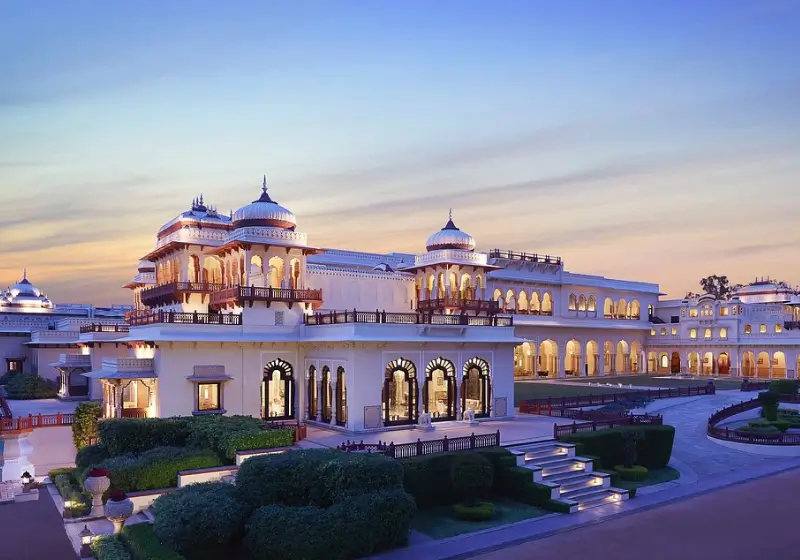
Luxury travelers also face unique considerations. A Golden Triangle itinerary often includes heritage hotels, fine dining experiences, palace visits, private tours, and cultural events. Clothing suitable for daytime sightseeing may differ from what feels appropriate for elegant evening settings.
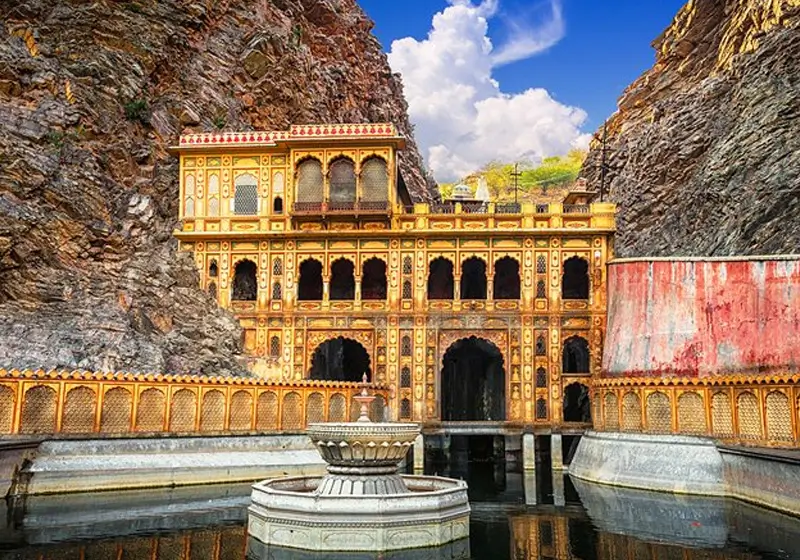
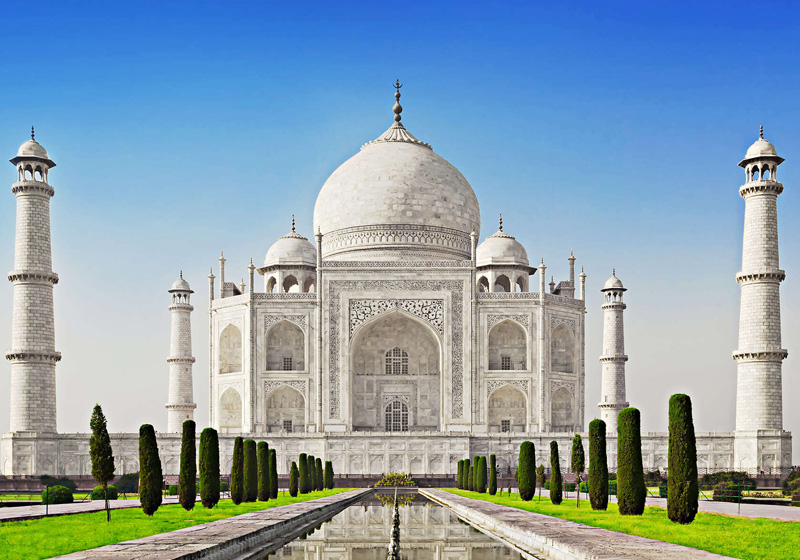
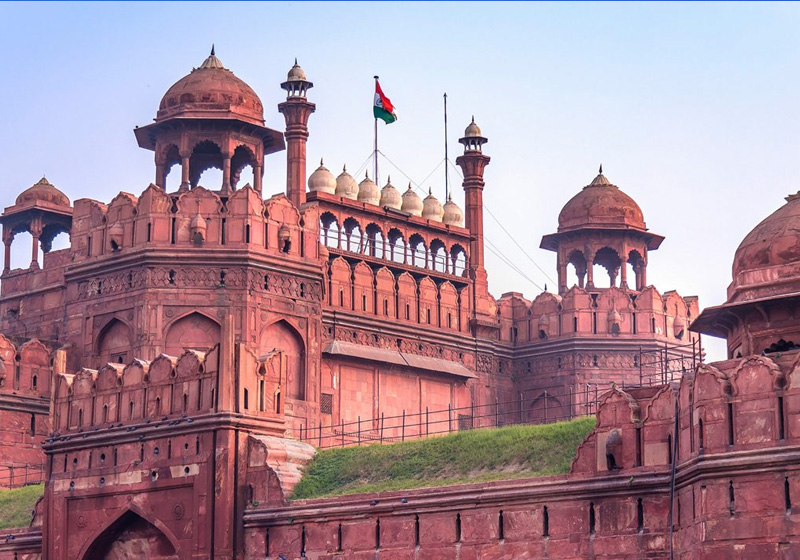
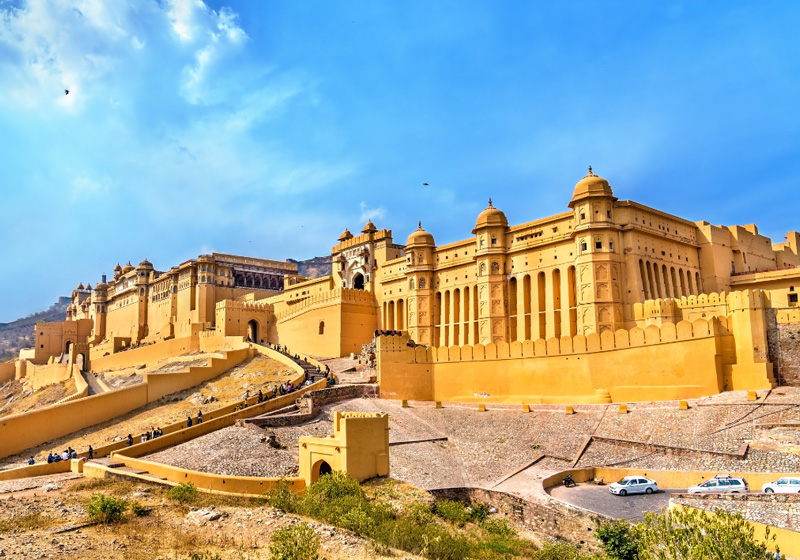
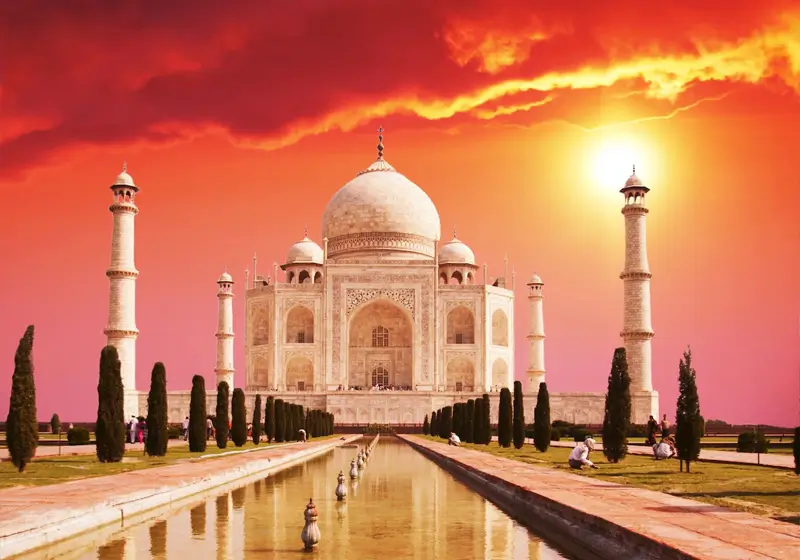
Photography plays a role as well. Many visitors want outfits that look attractive against the backdrops of the Taj Mahal, Jaipur's palaces, and Delhi's historic monuments. Practicality remains important, but travelers naturally want photographs that capture special memories beautifully.
Fortunately, planning a suitable wardrobe is easier than many people imagine.
The most successful approach involves understanding where you are going, what activities you will be doing, and how different environments influence clothing choices. Once these factors are considered, packing becomes straightforward and stress-free.
For female travelers preparing for a Golden Triangle journey, the goal should be confidence rather than concern. Appropriate clothing enhances comfort, supports cultural respect, and allows visitors to focus on enjoying India rather than worrying about what they are wearing.
From vibrant city streets to magnificent temples and peaceful villages, experience India's incredible diversity with a travel plan tailored to your comfort, interests, and personal travel style.
One of the most reassuring things for first-time visitors is observing how international travelers actually dress during a Golden Triangle Tour India.
In major tourist destinations such as Delhi, Agra, and Jaipur, visitors wear a wide variety of clothing styles. There is no single "tourist uniform" and no requirement to adopt local dress unless desired.
Most female travelers choose practical, comfortable outfits designed for sightseeing.
Loose trousers, linen pants, maxi dresses, long skirts, lightweight shirts, cotton tops, and comfortable walking shoes are among the most common choices. These options provide comfort during long sightseeing days while remaining appropriate for a variety of environments.
Many experienced travelers prefer clothing that covers shoulders and knees, not because it is legally required, but because it tends to attract less attention and feels appropriate in more situations. This approach also simplifies visits to religious sites where modest dress is often appreciated.
Delhi generally feels the most cosmopolitan of the three cities. International fashion, modern shopping centers, luxury hotels, and business districts create an environment where visitors encounter diverse clothing styles. Female travelers rarely feel restricted in what they wear, particularly within tourist and urban areas.
Agra is similarly accustomed to international tourism. Around the Taj Mahal and other major attractions, visitors from every part of the world wear a wide range of clothing. Practicality often becomes the primary consideration because sightseeing involves considerable walking and exposure to weather conditions.
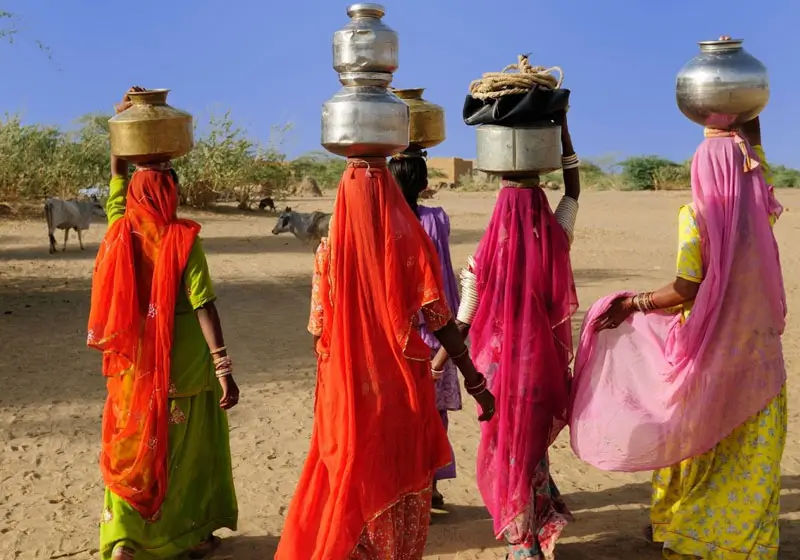
Jaipur presents an interesting balance between heritage and modernity. Travelers frequently enjoy incorporating colorful scarves, lightweight dresses, and culturally inspired pieces that complement the city's vibrant atmosphere. The city's visual appeal often encourages visitors to dress slightly more stylishly while maintaining comfort.
One important observation is that comfort consistently matters more than fashion trends.
The most experienced travelers prioritize breathable fabrics, comfortable footwear, sun protection, and versatility. Clothing that performs well during long sightseeing days inevitably contributes more to overall enjoyment than outfits chosen purely for appearance.
Luxury travelers often pack a mixture of casual daytime clothing and slightly more elegant evening options. This approach accommodates both active exploration and refined dining experiences.
The key takeaway is simple:
You do not need an entirely new wardrobe for India.
You simply need clothing that is comfortable, practical, respectful, and suited to your itinerary.
The best trips begin when you feel comfortable and prepared. From choosing the right destinations to arranging trusted guides, private transport, and personalized itineraries
The majority of your time during a Golden Triangle Vacation will likely involve sightseeing. As a result, daytime clothing deserves particular attention.
Walking through forts, palaces, markets, gardens, and historic districts requires clothing that remains comfortable for extended periods. Temperatures can vary significantly, and visitors often spend many hours outdoors.
Lightweight fabrics are generally the best choice.
Cotton, linen, and breathable performance materials help regulate body temperature and reduce discomfort. Heavy fabrics quickly become unpleasant, especially during warmer months.
Loose-fitting clothing tends to perform better than tight or restrictive garments. It allows greater airflow, improves comfort, and feels more practical during long sightseeing days.
Many female travelers prefer combinations such as:
Scarves are particularly useful.
Beyond their visual appeal, scarves provide flexibility. They can be used for sun protection, additional warmth during cool mornings, coverage when entering religious sites, or simply as stylish accessories.
Footwear deserves special attention.
One of the most common packing mistakes involves bringing uncomfortable shoes. Travelers often underestimate how much walking occurs during a Golden Triangle itinerary.
Comfortable walking shoes, supportive sandals, or lightweight travel sneakers are generally the best options. High heels and fashion-focused footwear rarely perform well during extensive sightseeing.
Another consideration is sun exposure.
Hats, sunglasses, and lightweight long-sleeved clothing can significantly improve comfort during outdoor activities. Many travelers discover that sun protection becomes more important than expected, particularly when visiting open heritage sites.
A practical sightseeing wardrobe allows visitors to focus entirely on the experience rather than adjusting clothing throughout the day. Comfort, flexibility, and weather suitability should remain the primary priorities.
Religious sites form an important part of many Golden Triangle itineraries.
Visitors may explore temples, mosques, shrines, spiritual centers, and heritage sites that continue to function as active places of worship. Understanding appropriate clothing for these environments helps ensure respectful and comfortable visits.
The most important principle is modesty.
This does not require special clothing. It simply means avoiding outfits that reveal excessive amounts of skin in religious settings.
Clothing that covers shoulders and knees is generally appropriate throughout India's major religious sites.
Many travelers already pack clothing that meets these requirements, making additional preparation unnecessary.
Scarves become particularly valuable in these situations. They can be used to provide extra coverage when needed and are easy to carry throughout the day.
Footwear procedures vary by location.
Many temples require visitors to remove shoes before entering certain areas. Slip-on footwear therefore offers practical advantages because it can be removed and replaced quickly.
Some religious sites may have additional requirements depending on local traditions. Professional guides generally explain these expectations before arrival, ensuring that visitors feel comfortable and prepared.
Importantly, respectful clothing is appreciated regardless of nationality, religion, or cultural background. Visitors are not expected to dress identically to local worshippers. They are simply expected to demonstrate consideration for the environment they are entering.
Most female travelers find these guidelines easy to follow because they align naturally with practical sightseeing clothing.
A Golden Triangle itinerary often includes experiences beyond daytime sightseeing.
Luxury hotels, heritage palaces, private dining events, rooftop restaurants, cultural performances, and special celebrations create opportunities to dress more elegantly while still remaining comfortable.
Many female travelers enjoy bringing a small selection of evening outfits specifically for these occasions.
Elegant maxi dresses, sophisticated resort wear, stylish separates, and lightweight evening attire work particularly well. The goal is not formal eveningwear but polished and refined clothing suitable for upscale environments.
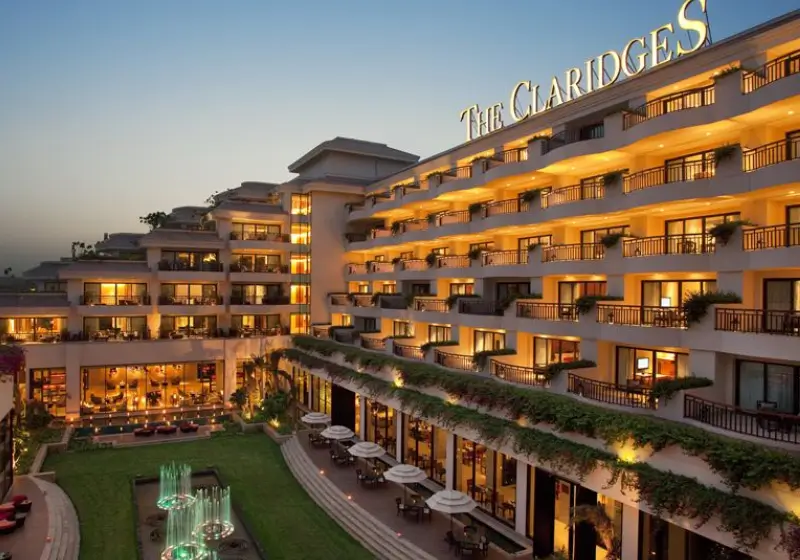
Luxury hotels throughout Delhi, Agra, and Jaipur generally maintain relaxed dress codes compared with many international luxury destinations. Guests rarely need highly formal clothing unless attending specific events.
One versatile dress can often serve multiple purposes throughout the trip.
Neutral colors, comfortable fabrics, and timeless styles maximize flexibility while minimizing luggage requirements.
Jewelry and accessories can also transform daytime outfits into evening looks without requiring entirely separate wardrobes. Many travelers prefer this approach because it simplifies packing.
Another consideration is photography.
Evening settings within heritage properties often provide extraordinary backdrops. Elegant yet practical clothing helps travelers feel confident while creating memorable photographs.
Packing a lightweight jacket or wrap is also advisable. Temperatures occasionally become cooler during evenings, particularly in winter months.
Luxury travel is ultimately about comfort as much as style. Clothing should enhance the experience rather than create unnecessary complexity.
After years of welcoming international visitors, guides and travel professionals consistently observe similar packing mistakes.
One of the most common is bringing too many clothes.
Many travelers pack as though they are visiting multiple countries with completely different requirements. In reality, versatile clothing combinations usually perform better than excessive luggage.
Another mistake involves prioritizing fashion over comfort.
Beautiful outfits quickly lose their appeal when they become uncomfortable after several hours of sightseeing. Practical clothing generally contributes more to overall enjoyment.
Inadequate footwear is another frequent issue.
Travelers often underestimate walking distances and regret bringing shoes designed primarily for appearance.
Heavy fabrics create additional challenges. India's climate rewards lightweight, breathable clothing. Thick materials often remain unused throughout the trip.
Some visitors also pack overly formal wardrobes based on outdated assumptions about luxury travel. Modern luxury experiences generally emphasize relaxed sophistication rather than rigid dress codes.
Finally, many travelers underestimate the usefulness of scarves, sun protection, and lightweight layers. These simple items frequently become some of the most valuable pieces in the entire suitcase.
Packing thoughtfully allows female travelers to move confidently between heritage sites, luxury hotels, cultural experiences, and local communities without constantly worrying about clothing choices.
The ideal wardrobe supports the journey rather than distracting from it.
Comfortable, breathable clothing that provides practical coverage and suits the climate is generally ideal.
Yes. Maxi dresses and modest summer dresses are commonly worn by international travelers.
No. Visitors are welcome to wear their normal travel clothing.
They are seen in tourist areas, but many travelers prefer longer options for comfort and versatility.
Comfortable walking shoes, travel sneakers, or supportive sandals are recommended.
A scarf is extremely useful for sun protection, religious sites, and changing weather conditions.
Lightweight, comfortable clothing and practical footwear are ideal.
Most luxury hotels maintain relaxed dress standards, though smart casual attire is appreciated in fine dining venues.
Soft neutrals, white, blue, mustard, and other vibrant colors often photograph beautifully against historic architecture.
Bringing too many clothes and not enough comfortable, versatile outfits for sightseeing.
Fill in the details below. Our expert consultant will respond within 4 hours with a bespoke itinerary crafted just for you — completely free, no obligation.