Itinerary ideas, cultural insights, luxury tips and practical planning guides for every India traveller.
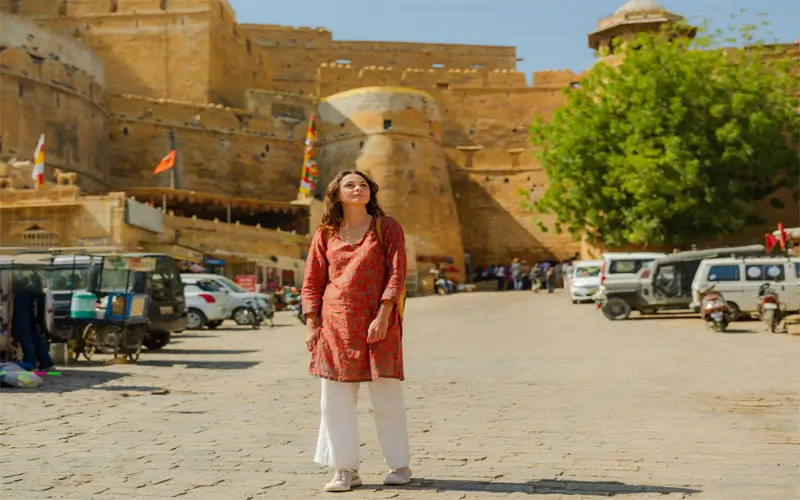
One of the most common questions international visitors ask before arriving in India is, "What should I wear?" The answer depends on where you are travelling, the season, and the places you plan to visit. India is a diverse country where modern cities, historic forts, religious sites, luxury hotels, and traditional villages all exist side by side. Clothing that feels perfectly normal in one location may not be suitable in another.
The good news is that tourists are warmly welcomed throughout India, and there is no official dress code for most public places. However, dressing modestly and comfortably often helps visitors feel more confident, avoid unwanted attention, and show respect for local customs, especially while visiting temples, mosques, historical monuments, and rural areas.
If your itinerary includes Delhi, Agra, Jaipur, Rajasthan, Kerala, Goa, or Varanasi, you do not need to purchase an entirely new wardrobe. Most female travelers already own suitable clothing. Lightweight fabrics, comfortable footwear, and outfits that cover the shoulders and knees are usually all you need for sightseeing.
This guide explains what female travelers can wear during different seasons, which clothes work best for famous tourist attractions, what to pack, and a few simple etiquette tips that make travelling around India easier.
There is no legal dress code for foreign tourists in India. You are free to wear clothing that makes you comfortable.
However, cultural expectations vary depending on where you are visiting. Major cities like Delhi, Mumbai, Bengaluru, and Jaipur are quite modern, while smaller towns and religious places tend to be more conservative.
As a general guideline, clothing that covers your shoulders, chest, and knees is considered appropriate almost everywhere. This approach is especially useful when visiting historical monuments, temples, local markets, and traditional neighbourhoods.
Many experienced travelers find that modest clothing also makes sightseeing more comfortable under the Indian sun by providing better protection from heat and dust.
Most sightseeing days involve several hours of walking through forts, monuments, gardens, museums, and busy streets. Comfort should always be your first priority.
Lightweight cotton trousers, linen pants, ankle-length skirts, loose dresses, long shirts, cotton T-shirts, and breathable tops work well throughout most of the year.
Comfortable walking shoes or supportive sneakers are far more practical than high heels because many heritage sites have uneven stone pathways, steps, and large open areas.
A light scarf is one of the most useful travel accessories. It can protect you from sunlight, cover your shoulders when entering religious places, or provide extra warmth during cooler evenings.
India is home to thousands of temples, and although dress rules differ slightly from one temple to another, modest clothing is always appreciated.
Women should ideally wear:
Many famous temples ask visitors to remove their shoes before entering the prayer area. Some temples also prohibit leather items inside certain sections.
Avoid wearing:
Some temples may provide shawls near the entrance if additional coverage is required.
Let us plan a culturally respectful India itinerary with comfortable stays, private transportation, and local experiences.
Mosques generally have stricter dress expectations than most tourist attractions.
Female visitors should wear clothing that covers:
A scarf should be carried to cover the head before entering the prayer area if requested.
Shoes must usually be removed before entering.
Many well-known mosques such as Jama Masjid in Delhi provide robes for visitors who need additional coverage.
Historic forts and palaces rarely have dress restrictions, but comfortable clothing makes sightseeing much easier.
Popular attractions like:
require considerable walking.
Loose trousers, comfortable dresses, breathable shirts, sunglasses, and walking shoes are ideal choices.
During summer, carrying a hat and sunscreen is highly recommended because many forts have limited shade.
Busy markets such as Chandni Chowk, Johari Bazaar, Bapu Bazaar, and Sadar Bazaar are lively, colourful, and often crowded.
Comfortable clothing helps you move easily through narrow streets.
Many female travelers prefer:
Expensive jewellery, luxury handbags, or large amounts of cash should not be displayed openly in crowded shopping areas.
Summer in northern India lasts roughly from April to June, with temperatures frequently reaching 40–45°C.
Recommended clothing includes:
Light colours reflect heat better than dark colours.
Carrying a reusable water bottle helps prevent dehydration during sightseeing.
Winter temperatures vary across India.
Delhi, Agra, and Jaipur can experience morning temperatures between 6°C and 12°C from December to January.
Packing should include:
Afternoons usually become much warmer, so wearing layers allows you to adjust comfortably throughout the day.
The rainy season generally lasts from July to September in many parts of India.
Quick-drying clothing works much better than heavy fabrics.
Useful items include:
Roads may become slippery after rainfall, so shoes with good grip are recommended.
Make your journey easier with a well-planned itinerary, comfortable transportation, trusted local assistance, and experiences tailored to your travel style.
Although tourists are free to dress as they choose, some clothing may attract unnecessary attention in certain areas.
It is generally better to avoid:
Such outfits are perfectly acceptable inside resorts, luxury hotels, and beach destinations like Goa but may feel uncomfortable in traditional markets or religious places.
A practical packing list includes:
Packing light makes travelling between cities much easier.
Respecting local customs does not mean sacrificing comfort. Most international visitors find that lightweight, modest clothing keeps them cooler while also helping them blend comfortably into different environments.
If you plan to visit luxury hotels, rooftop restaurants, or fine dining venues during your trip, smart casual clothing is perfectly suitable. There is no need for formal evening wear unless attending a special event.
Laundry services are inexpensive and widely available in major tourist cities, so there is no need to overpack. Carrying fewer clothes often makes travelling between destinations more convenient.
Yes. Jeans are commonly worn throughout India and are suitable for most tourist attractions.
Knee-length shorts are generally acceptable at many tourist attractions, but long trousers are recommended for temples and traditional areas.
Clothing that covers the shoulders and knees is considered appropriate.
Most Hindu temples do not require it, but some Sikh temples and mosques do.
Yes. Midi and maxi dresses are popular choices among international travelers.
Comfortable walking shoes or supportive sneakers are ideal.
Yes. A lightweight scarf is useful for temples, sun protection, and cooler evenings.
Sleeveless tops are acceptable in many cities but may not be suitable for religious places.
Cotton and linen are the most comfortable fabrics for hot weather.
Most luxury hotels follow smart casual dress standards rather than formal dress codes.
No. It is optional, although many visitors enjoy wearing kurtas or salwar suits during their trip.
Avoid very revealing clothing and expensive jewellery, especially in crowded areas.
Fill in the details below. Our expert consultant will respond within 4 hours with a bespoke itinerary crafted just for you — completely free, no obligation.