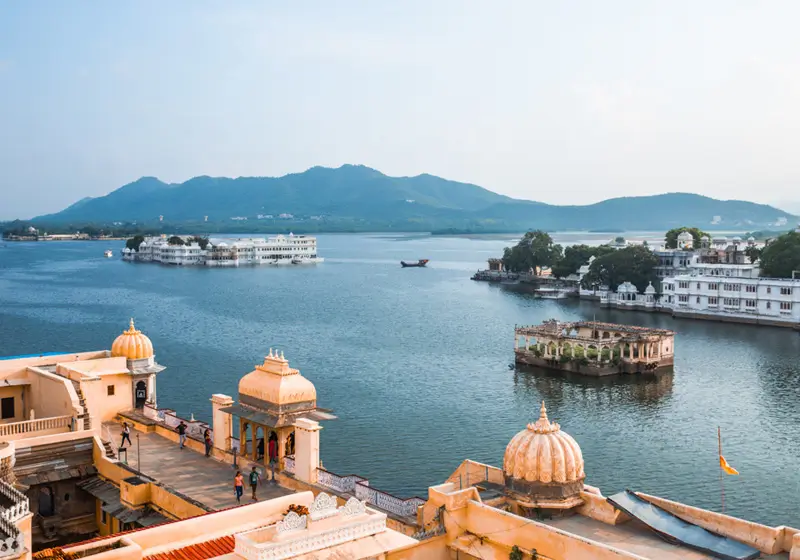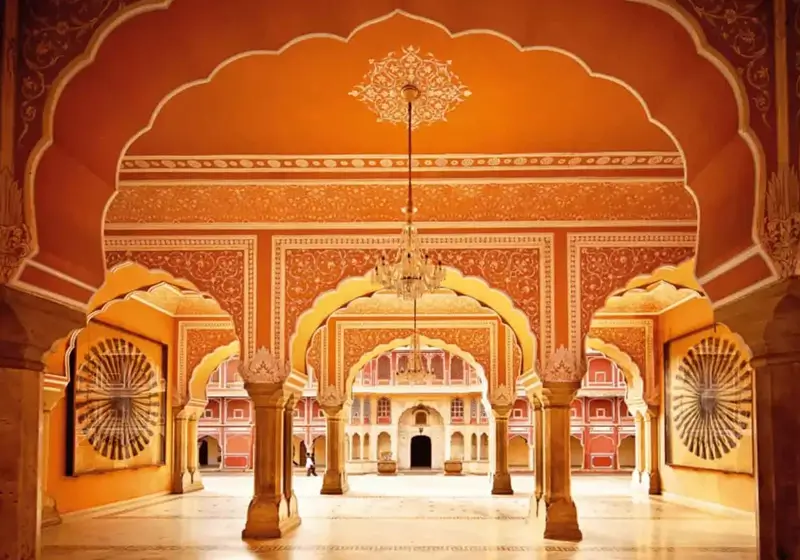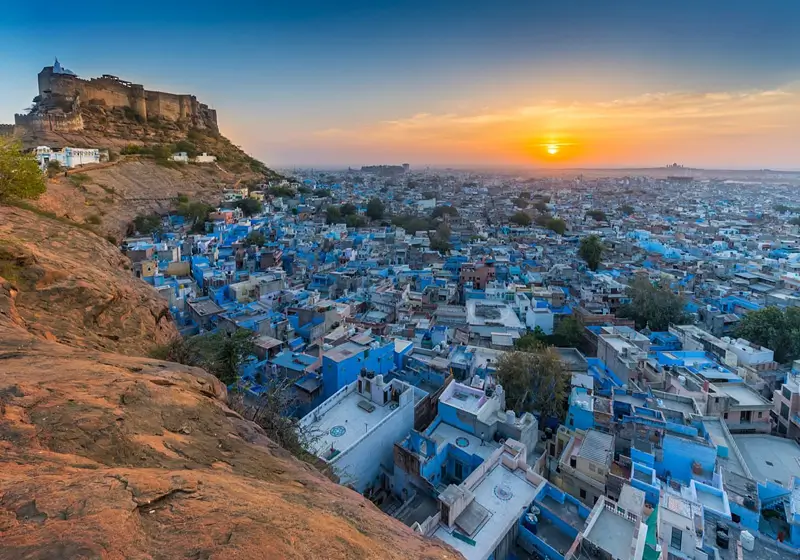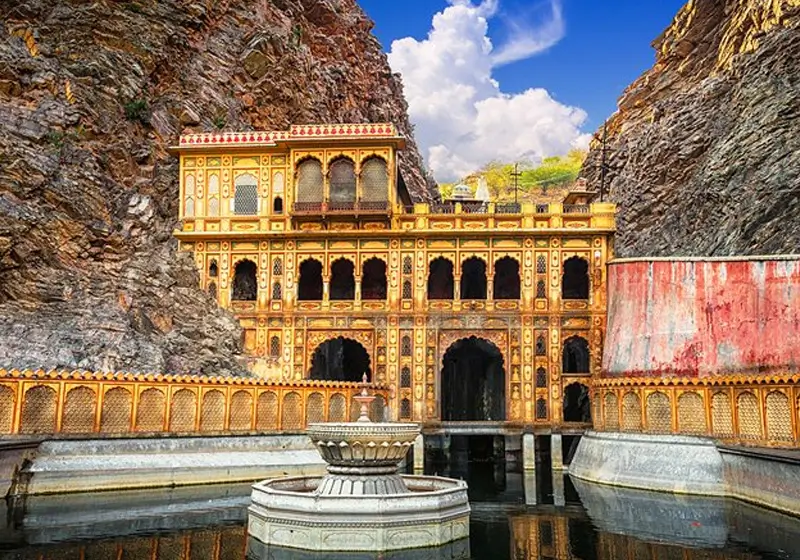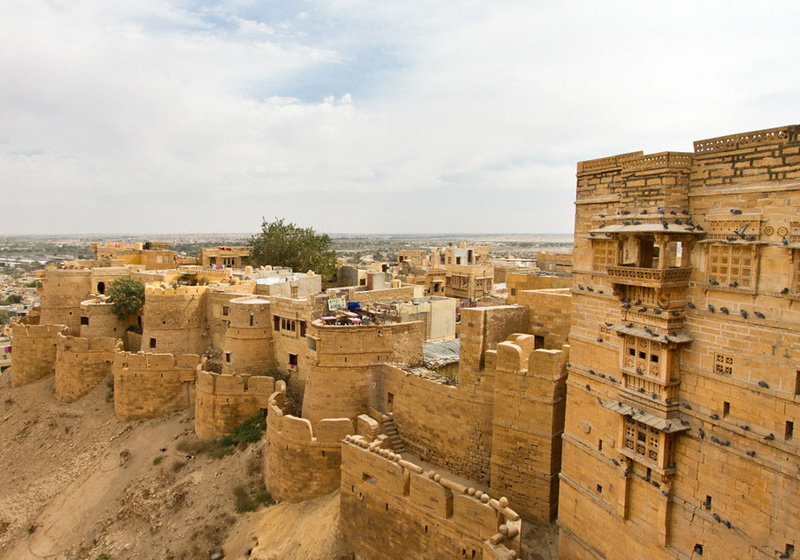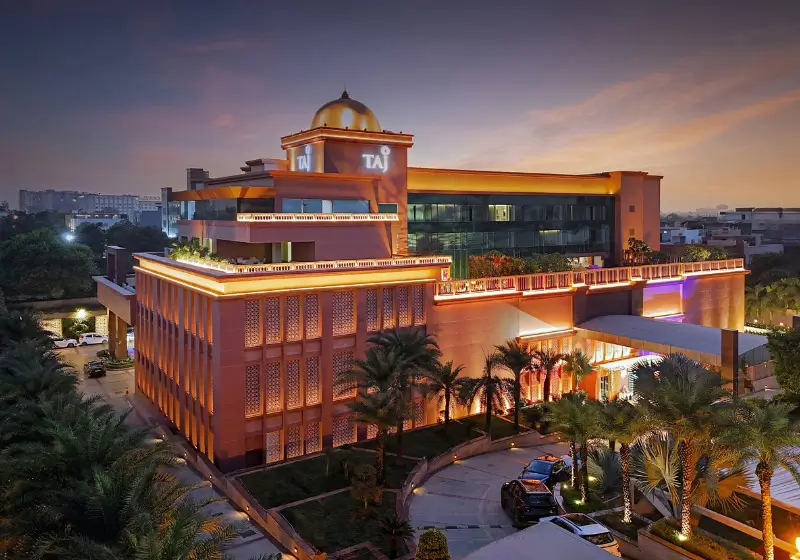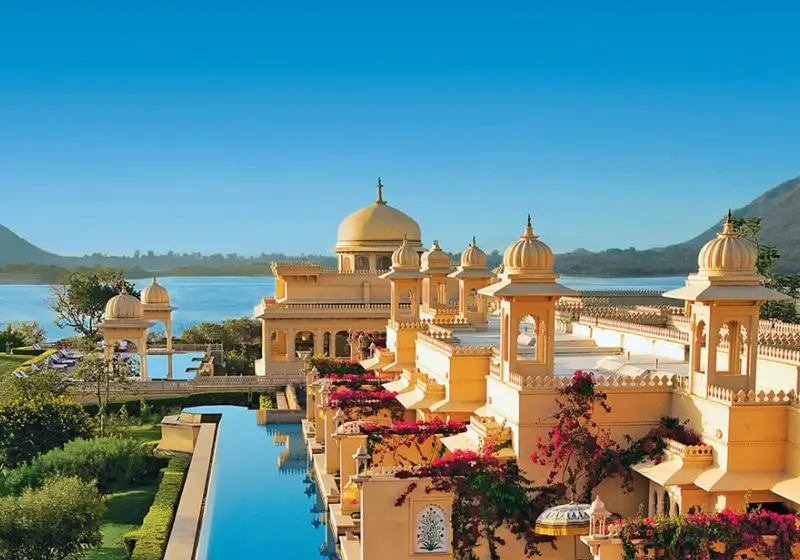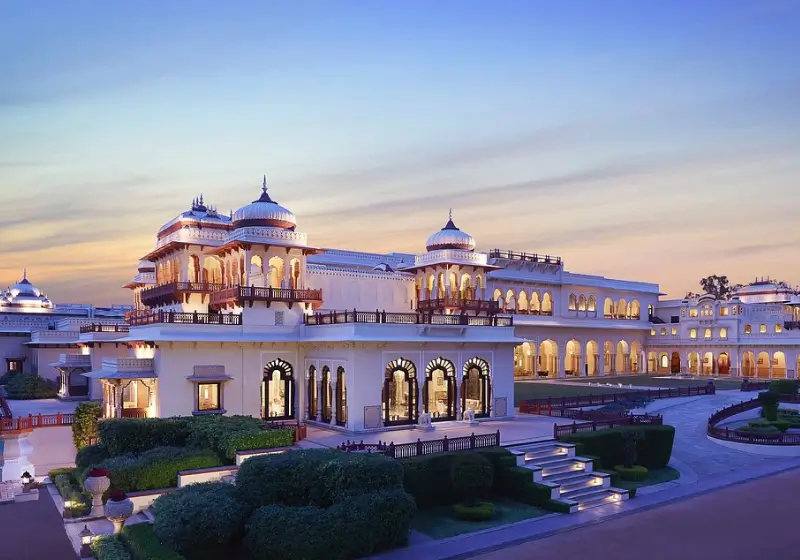
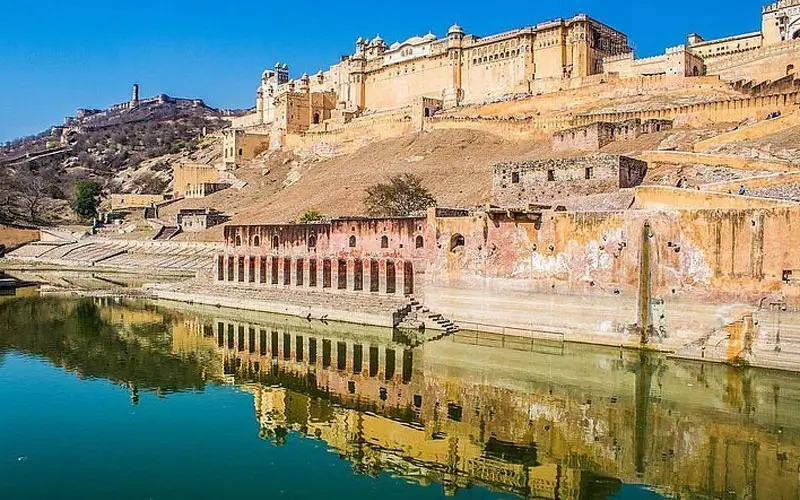
India is not a destination that reveals itself instantly. It unfolds in layers, through contrasts, stories, and lived experiences that take time to absorb. For travelers seeking clarity rather than confusion, structure rather than chaos, and depth rather than randomness, one route has consistently stood above all others. The Golden Triangle has earned its reputation not through marketing, but through experience. It remains the most popular group tour circuit in India because it answers the fundamental question every traveler subconsciously asks before visiting the country: Where do I begin?
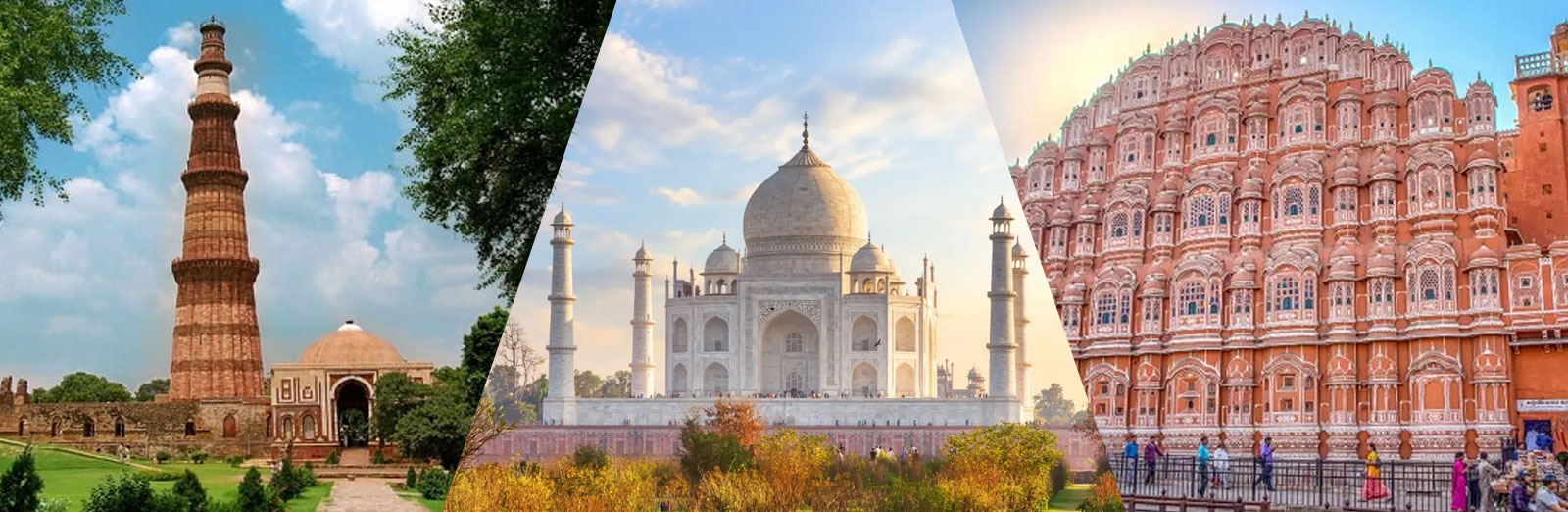
The Golden Triangle links Delhi, Agra, and Jaipur in a triangular route that feels both logical and emotionally satisfying. It introduces India’s past, present, and cultural soul in a sequence that makes sense, especially when experienced through Golden Triangle group tours. This popularity is not accidental. It is rooted in geography, history, accessibility, storytelling, and the way group travel naturally complements this circuit.
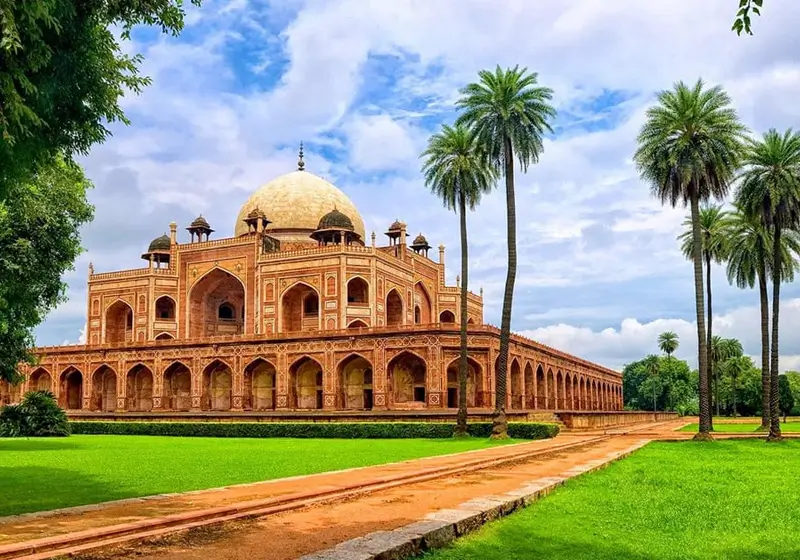
Unlike many travel routes that are stitched together for modern tourism, the Golden Triangle exists because these cities have always mattered. Delhi has been the seat of power for centuries. Agra rose as the heart of the Mughal empire. Jaipur emerged as a planned royal capital reflecting order and artistic vision.
This historical continuity gives the Golden Triangle a narrative strength that few other circuits can match. Travelers are not jumping between unrelated destinations. They are following the rise and evolution of civilizations. In a group tour format, this story becomes even clearer, as guides connect monuments, dynasties, and cultural shifts into a single, flowing narrative.
Discover why the Golden Triangle is the most popular group tour in India. Contact us now to plan a seamless, customized tour with comfort and convenience!
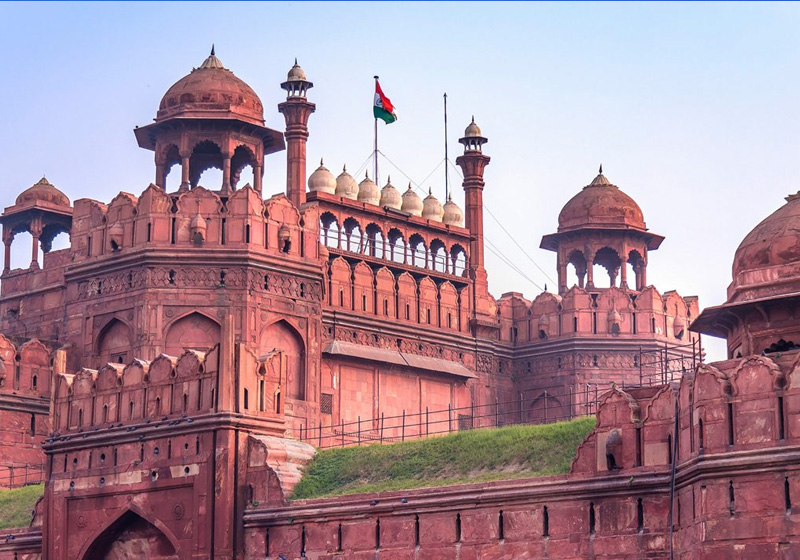
Every great circuit needs a strong starting point, and Delhi fulfills this role effortlessly. As the capital city, Delhi introduces travelers to the complexity of India without overwhelming them. Old neighborhoods reveal centuries of layered history, while wide boulevards and modern districts provide balance and comfort.
For group travelers, Delhi works particularly well because it allows structured exploration. Guided visits help decode religious diversity, colonial influence, and contemporary life. This orientation is essential. Before moving deeper into India, travelers gain cultural context, making the rest of the journey more meaningful.
The popularity of Golden Triangle group tours in India is closely tied to how effectively Delhi prepares travelers for what lies ahead.
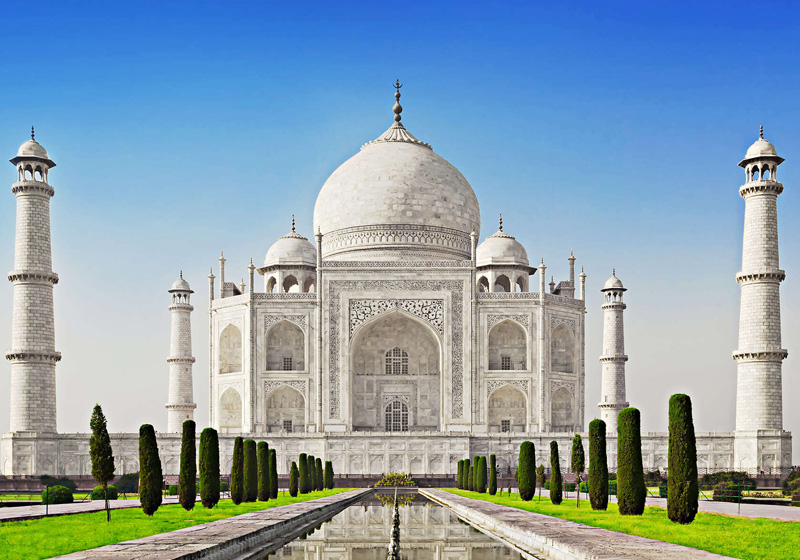
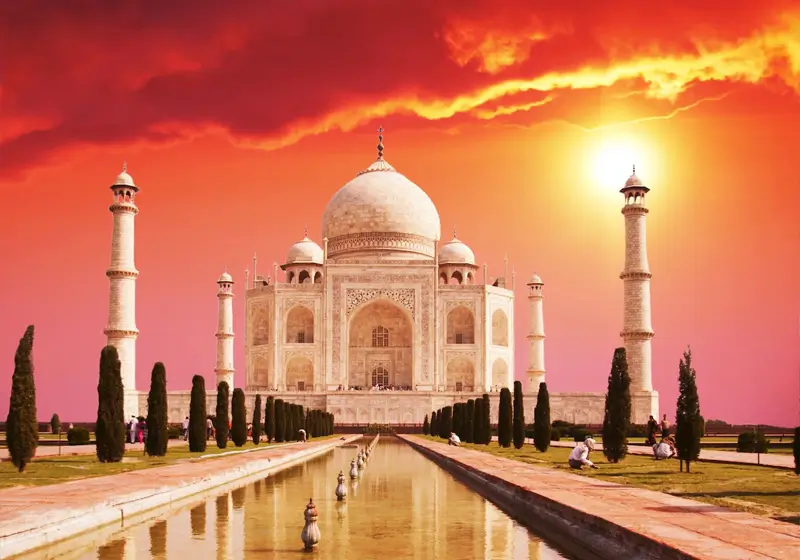
Agra’s importance in the Golden Triangle cannot be measured by size or duration, but by emotional impact. The Taj Mahal transcends culture, language, and background. It speaks directly to human emotion. This universality is one of the strongest reasons the Golden Triangle remains India’s most popular group tour circuit.
For group travelers, Agra becomes a shared emotional moment. Seeing the Taj Mahal together creates a collective pause. Conversations soften. Cameras lower. The monument commands attention in silence. Guides add depth by explaining symbolism, craftsmanship, and the story behind its creation, turning admiration into understanding.
Beyond the Taj Mahal, Agra’s forts and historical sites add layers, reinforcing the idea that this circuit is about continuity, not isolated highlights.
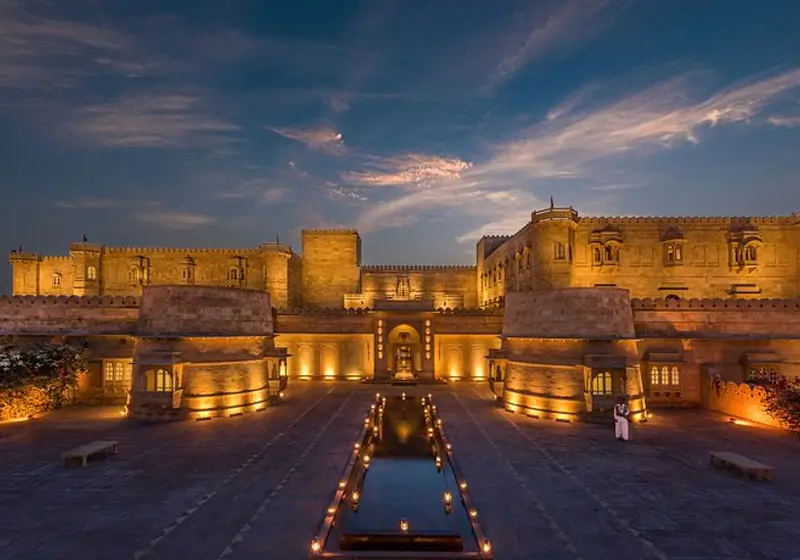
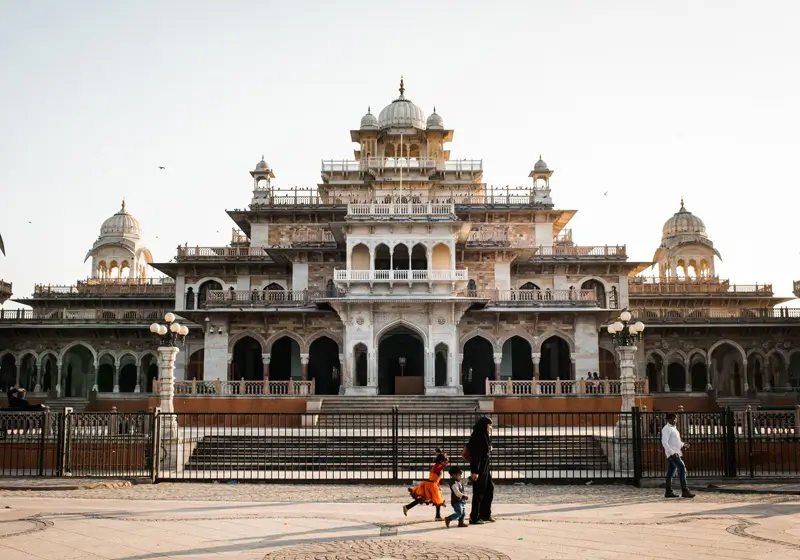
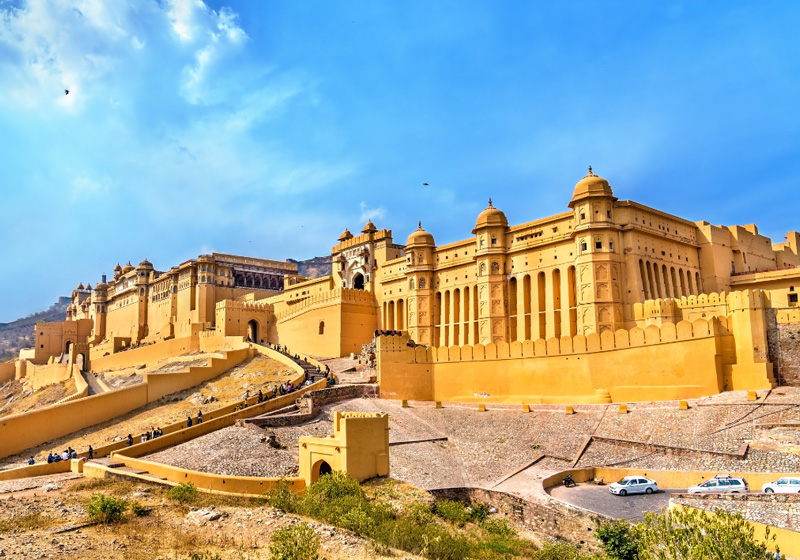
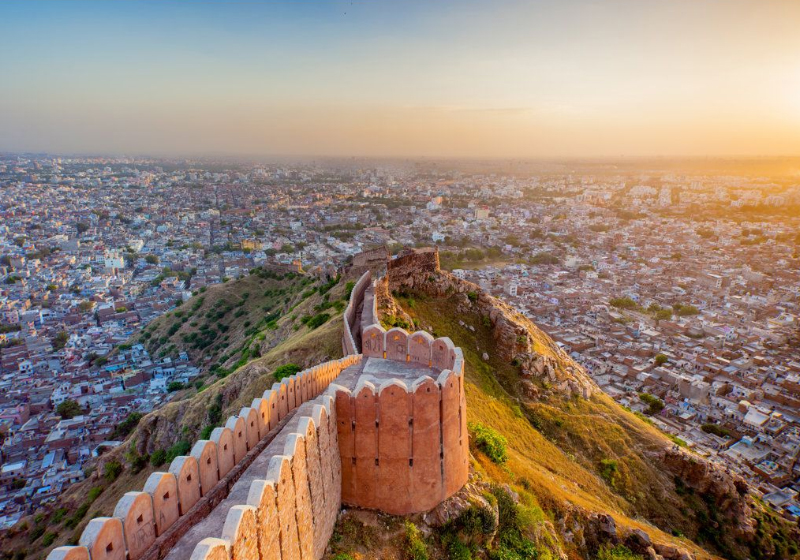
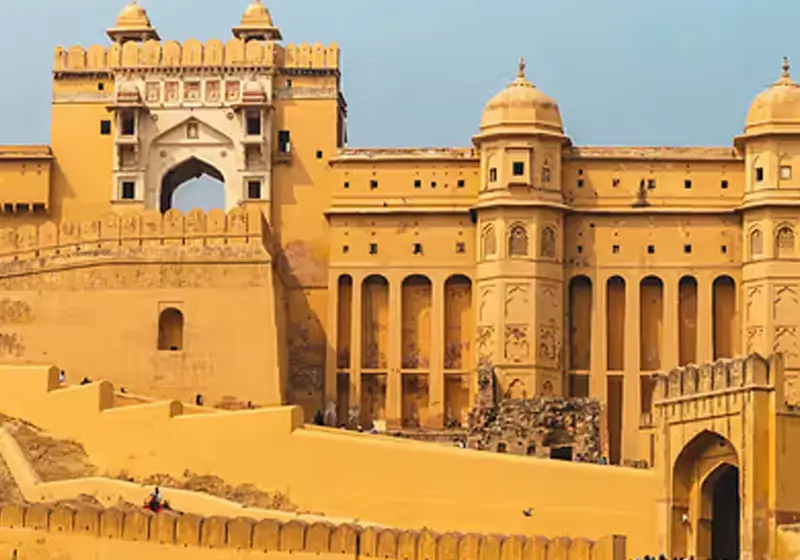
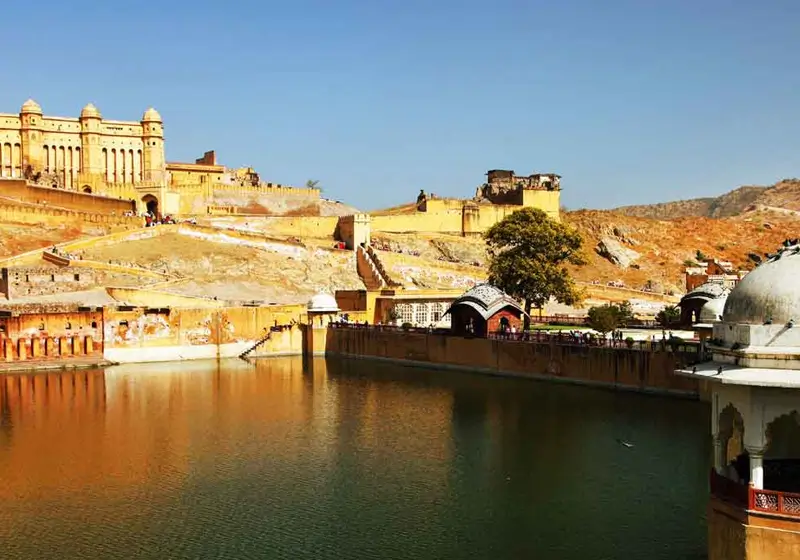
Jaipur completes the Golden Triangle with confidence and color. Unlike cities that grow organically, Jaipur was designed with intent. Its layout, architecture, and cultural rhythm feel deliberate. This sense of order resonates strongly with group travelers, especially those new to India.
In Jaipur, heritage feels accessible. Forts rise dramatically but are easy to explore. Palaces tell stories of royalty without intimidation. Markets buzz with energy but remain navigable. Golden Triangle group tour packages often allocate generous time to Jaipur because it balances intensity with enjoyment.
For international travelers, Jaipur often becomes the moment when India shifts from curiosity to affection. The city feels welcoming, expressive, and proud of its identity.
One of the most practical reasons behind the Golden Triangle’s popularity is geography. Distances between Delhi, Agra, and Jaipur are manageable. Travel times are reasonable. Roads and rail connections are well-developed.
In group travel, efficiency matters. Long, exhausting transfers can dilute excitement. The Golden Triangle avoids this pitfall. Travel days feel purposeful rather than draining. This efficiency allows group tours to focus on experiences rather than logistics, making the circuit ideal for travelers with limited time.
The Golden Triangle is not just popular because of where it goes, but because of how it is experienced. Group tours align naturally with this circuit. Each city offers complex layers that benefit from explanation. History, religion, architecture, and social customs come alive when interpreted collectively.
Group tours provide continuity. The same guide or coordinated team carries the narrative across cities. Travelers are not left to piece together fragmented information. Instead, they receive a coherent story that builds day by day.
This guided flow is one of the strongest reasons why Golden Triangle group tours remain the preferred choice for first-time and repeat visitors alike.
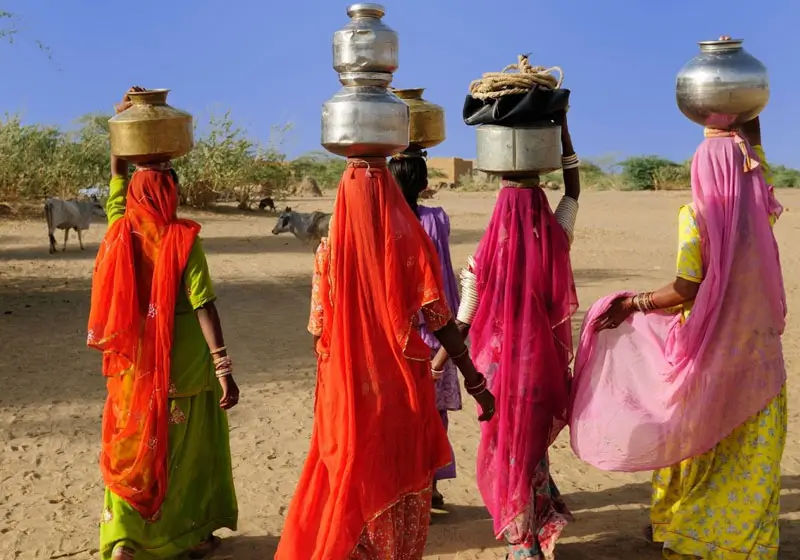
India’s diversity is immense, and the Golden Triangle offers a condensed version of it. Delhi represents multicultural coexistence. Agra reflects Mughal influence. Jaipur showcases Rajput heritage. Within a few hundred kilometers, travelers encounter different architectural styles, cuisines, customs, and historical narratives.
For group travelers, this diversity is easier to absorb when presented gradually. Each destination adds a layer without overwhelming the senses. This controlled exposure makes the circuit appealing to a wide audience, from senior travelers to educational groups.
Another reason the Golden Triangle dominates group travel in India is infrastructure. Hotels, restaurants, and tourist services along this route are accustomed to handling groups. Accommodations are available across categories, offering flexibility without compromising standards.
Group tours benefit from predictable service quality. Meal planning becomes smoother. Check-ins are efficient. Support is readily available. These factors may seem minor individually, but together they create a sense of reliability that travelers deeply value.
The Golden Triangle is often described as a history lesson without walls. Each city contributes chapters to a larger story. Empires rise and fall. Architectural styles evolve. Cultural practices adapt.
For group travelers, especially students and culturally curious visitors, this storytelling depth is invaluable. Guides can reference earlier sites when explaining later ones, reinforcing learning organically. This layered understanding is difficult to achieve in fragmented itineraries.
The Golden Triangle is India’s most loved group tour for a reason — culture, history, and comfort in one journey. Let us plan a smooth, well-organized group tour with the right vehicle and expert support.
Few circuits appeal equally to families, seniors, solo travelers, and international visitors. The Golden Triangle manages this rare balance. Its cities offer varied pacing options. Activities can be adjusted without altering the core experience.
This adaptability strengthens its position as the most popular group tour circuit in India. Tour operators can design itineraries that suit different demographics while maintaining the circuit’s integrity.
For many travelers, the Golden Triangle is only the beginning. It builds confidence. It reduces hesitation. After completing the circuit, travelers often feel prepared to explore deeper regions, from Rajasthan’s deserts to India’s spiritual heartlands.
This gateway effect reinforces the circuit’s popularity. It does not promise to show everything. Instead, it provides understanding. That understanding invites return visits.
Trends change, destinations rise and fall, but the Golden Triangle remains constant. Its popularity endures because it delivers what travelers truly seek: context, comfort, culture, and connection.
A well-planned Golden Triangle group tour does more than cover landmarks. It introduces India with respect, patience, and depth. That is why this circuit continues to lead, generation after generation.
The circuit combines history, culture, accessibility, and comfort, making it ideal for group travel and first-time visitors.
The Golden Triangle consists of Delhi, Agra, and Jaipur, connected in a triangular travel route.
Yes, it offers structured sightseeing, guided experiences, and manageable travel distances.
Group travel provides cultural explanation, shared learning, and smooth logistics across cities.
Families, seniors, students, and international travelers benefit greatly from this format.
Most group tours are designed for five to seven days to balance exploration and comfort.
Yes, it showcases Mughal, Rajput, and modern Indian influences within a compact route.
Many operators offer customization based on group size, interests, and travel pace.
No, it also includes cultural interactions, local markets, cuisine, and daily life experiences.
The circuit provides clarity, confidence, and cultural grounding, making it an ideal starting point.
Fill in the details below. Our expert consultant will respond within 4 hours with a bespoke itinerary crafted just for you — completely free, no obligation.