Traveling across India by road is far more than simply moving between destinations. It is an experience that reveals the country’s culture, landscapes, and daily life in ways that trains or flights cannot replicate. For many international travelers, road journeys become the most memorable part of their trip because they offer an intimate view of India’s diversity.
India is a vast country with constantly changing scenery. Within a single road journey, travelers may pass through busy metropolitan areas, historic towns, quiet villages, farmland, forests, and desert landscapes. This ever-changing environment creates a sense of discovery that makes road travel feel like a continuous adventure.
Unlike many countries where highways feel predictable and repetitive, Indian roads often bring unexpected encounters. Travelers may see farmers working in fields, roadside tea stalls filled with locals, colorful trucks carrying goods across the country, or small temples standing quietly beside highways.
For visitors who want to experience the real rhythm of India, road travel in India offers a perspective that goes beyond famous monuments and tourist attractions.
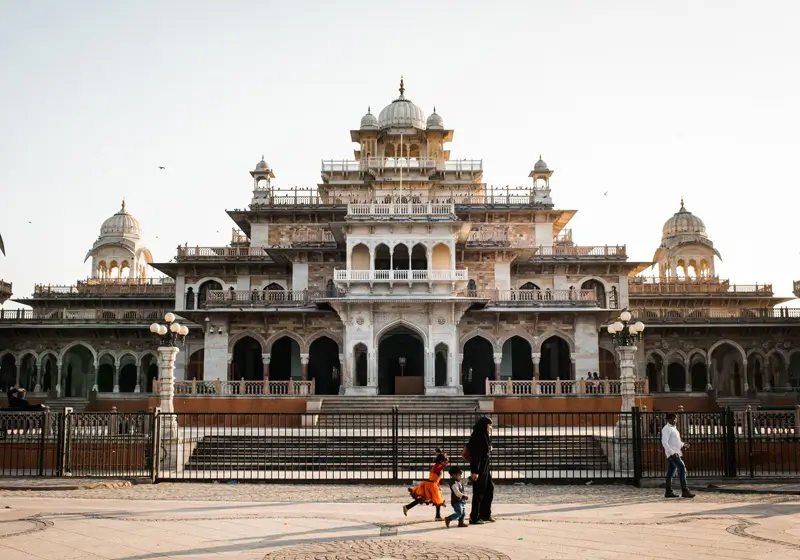
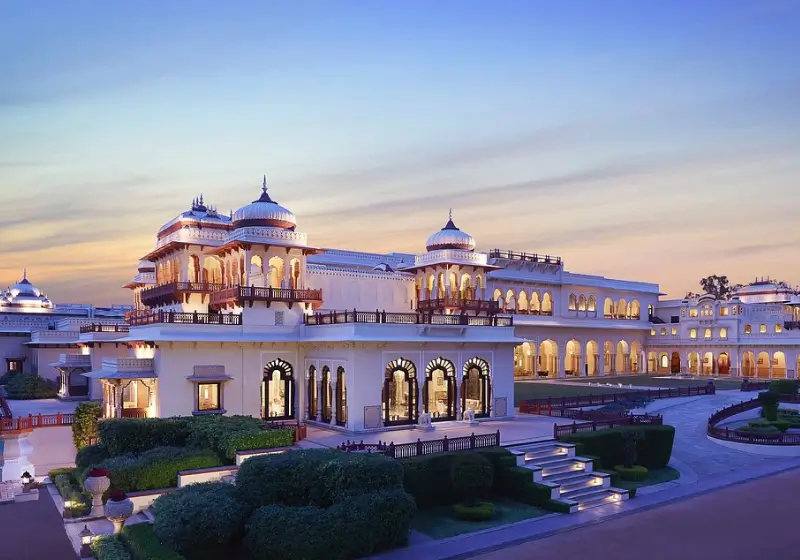
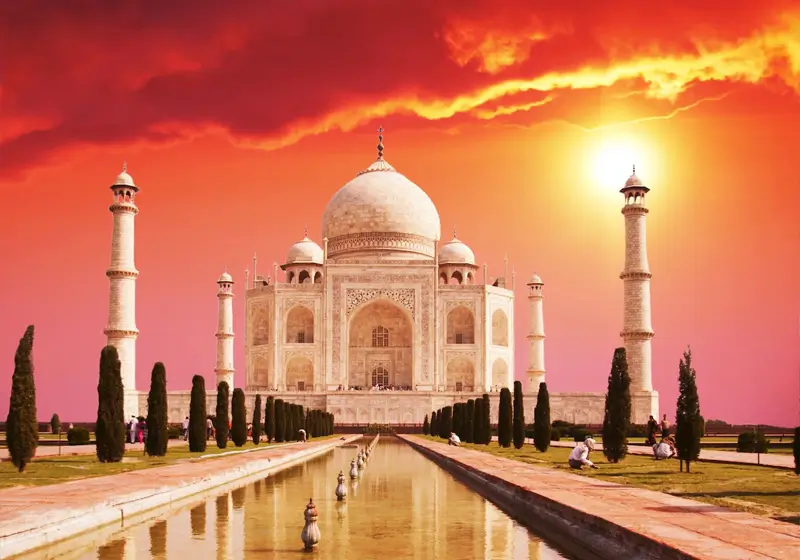
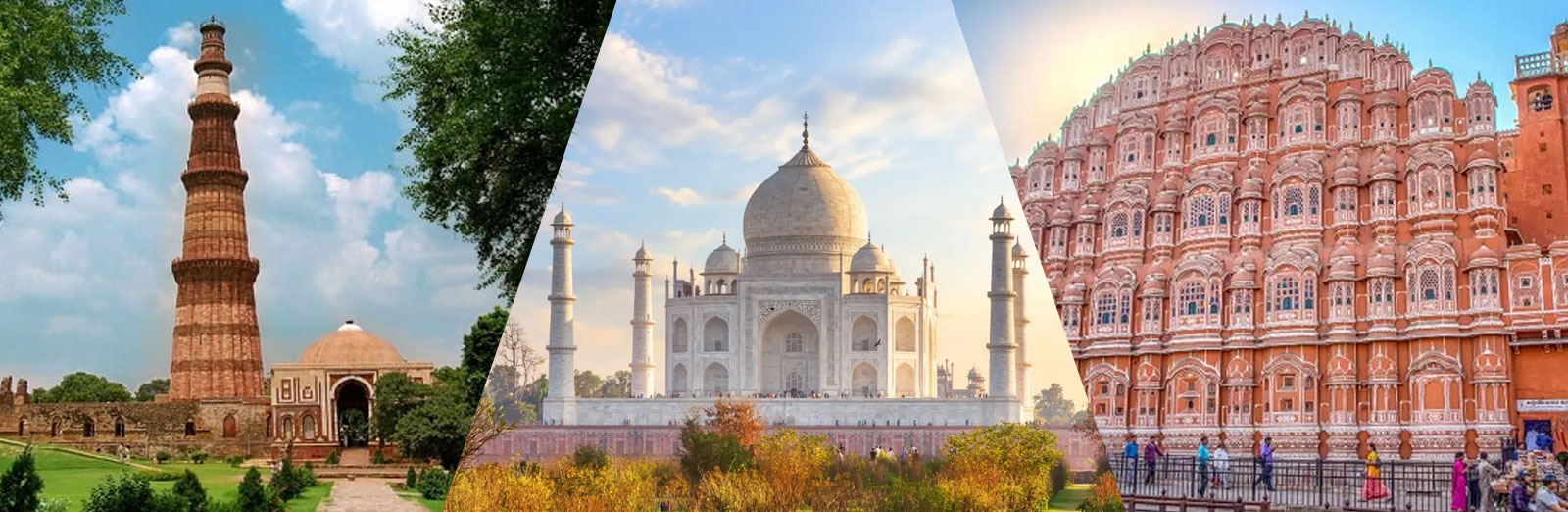
One of the most fascinating aspects of traveling by road is the opportunity to see parts of India that are rarely included in standard travel itineraries. While major cities such as Delhi, Agra, and Jaipur attract international visitors, the landscapes and communities between these destinations reveal another side of the country.
As travelers move through rural regions, they encounter everyday life unfolding naturally. Farmers guide oxen through fields, villagers gather near roadside markets, and children walk along narrow paths leading to schools or homes.
These scenes offer glimpses of traditional lifestyles that have remained largely unchanged for generations. Observing these moments from the comfort of a car allows travelers to understand how local communities live outside major tourist centers.
Many visitors say that these unscripted moments become some of the most meaningful memories of their journey. They provide a deeper understanding of authentic Indian travel experiences beyond well-known landmarks.
Enjoy the freedom to travel at your own pace, discover hidden places, and experience real India along the way. With our comfortable cars and experienced drivers, your road journey becomes safe, smooth, and unforgettable.
Chat On WhatsApp Contact UsIndia’s geographical diversity makes road travel particularly exciting. Unlike smaller countries where landscapes remain relatively similar across long distances, India offers dramatic variations in scenery within a few hours of travel.
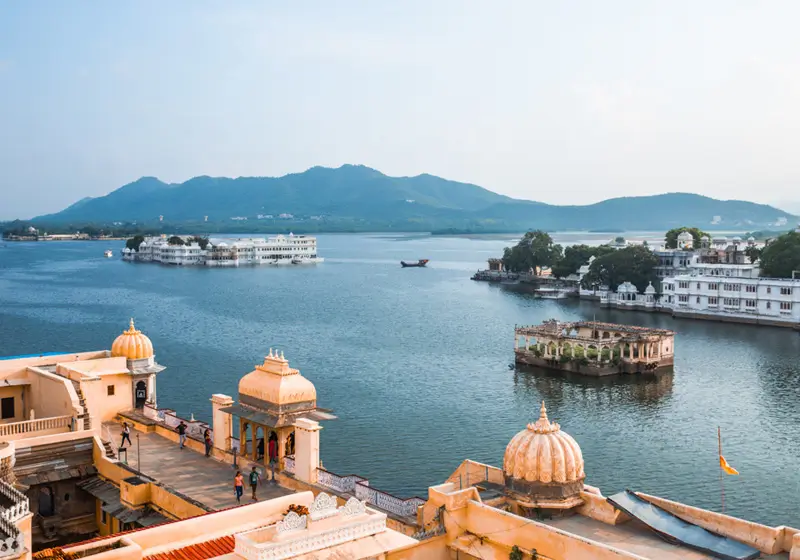
A road journey in northern India may begin in the busy streets of Delhi before passing through agricultural fields in Uttar Pradesh and eventually reaching the historic city of Agra. Another route may lead travelers from the desert landscapes of Rajasthan into lush green hills or coastal regions.
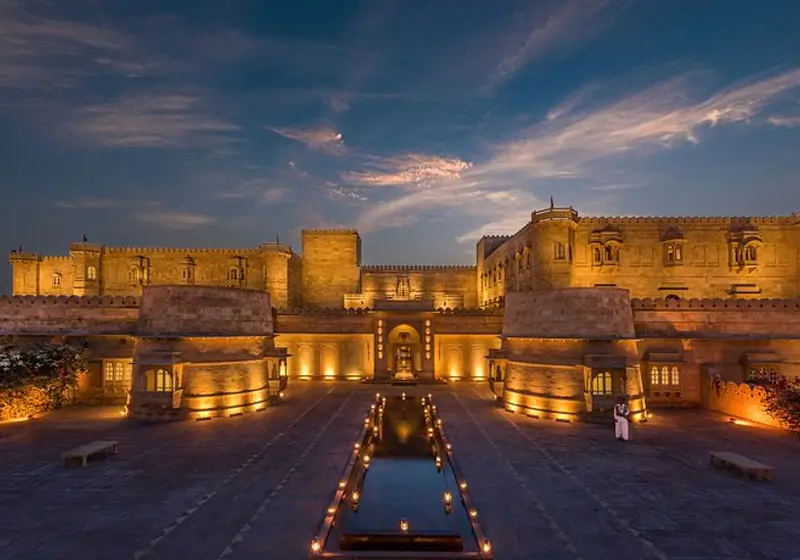
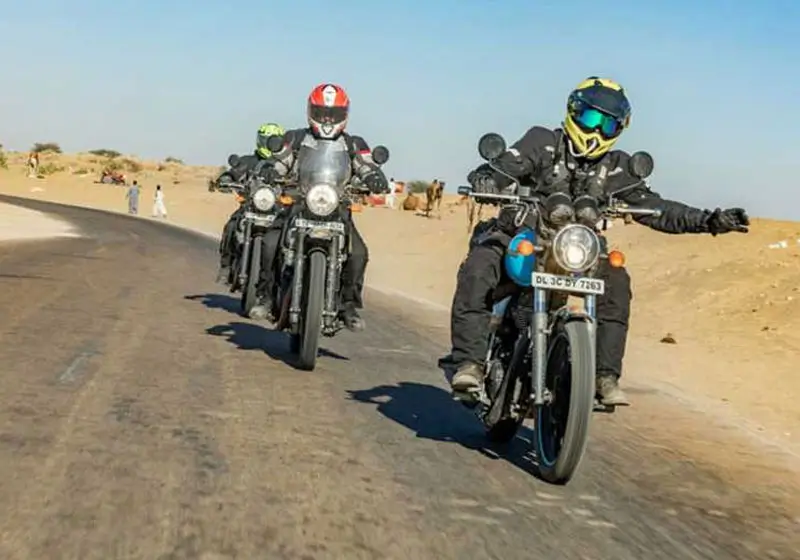
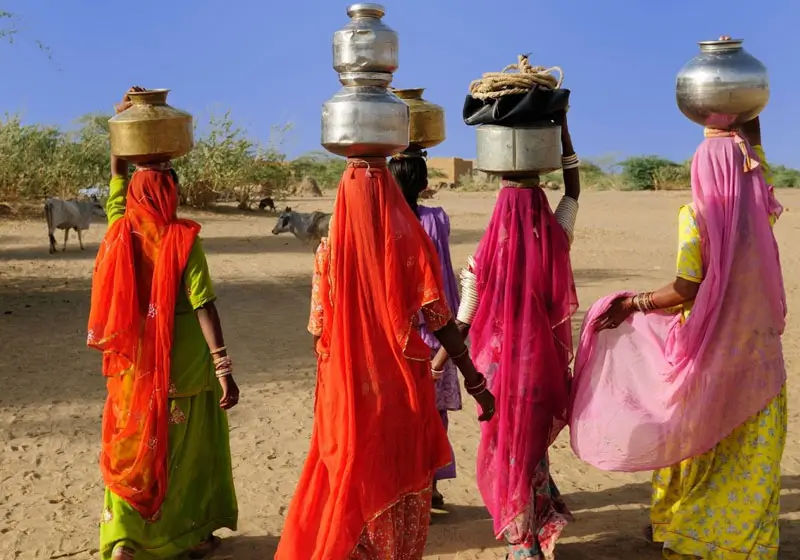
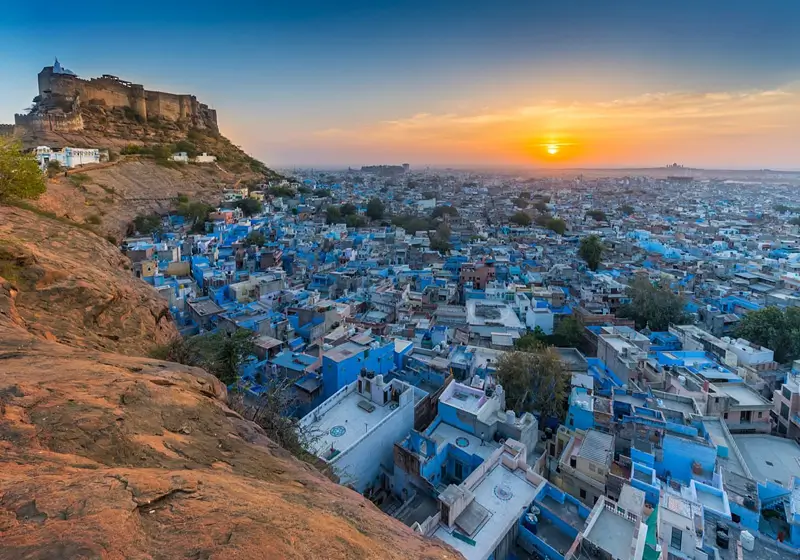
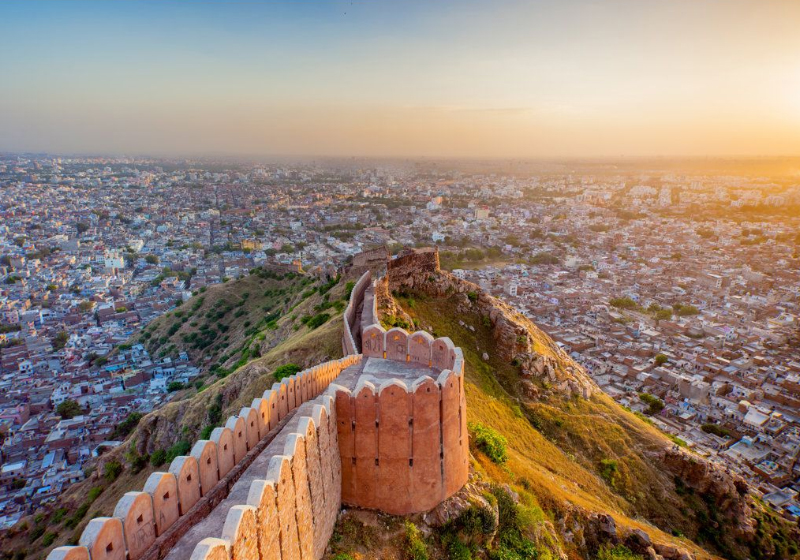
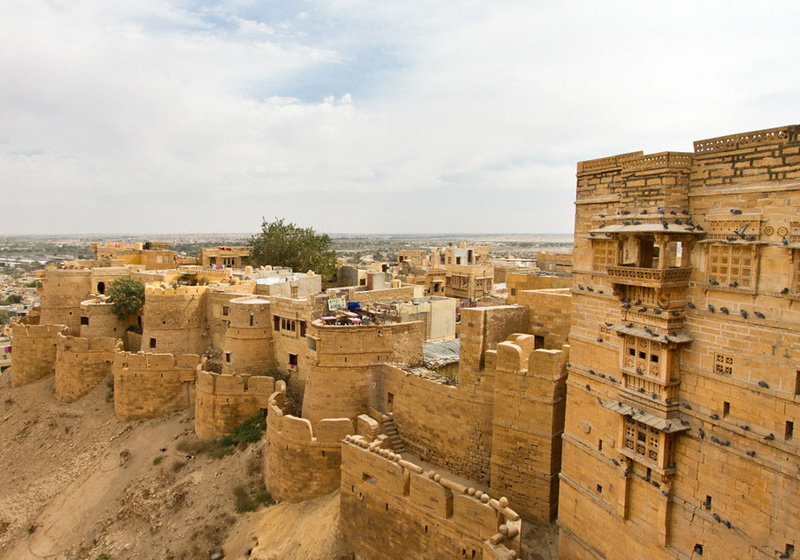
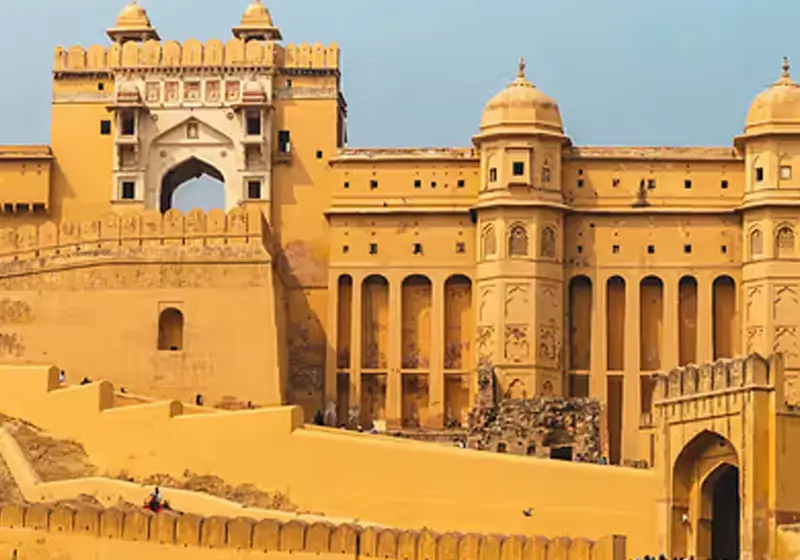
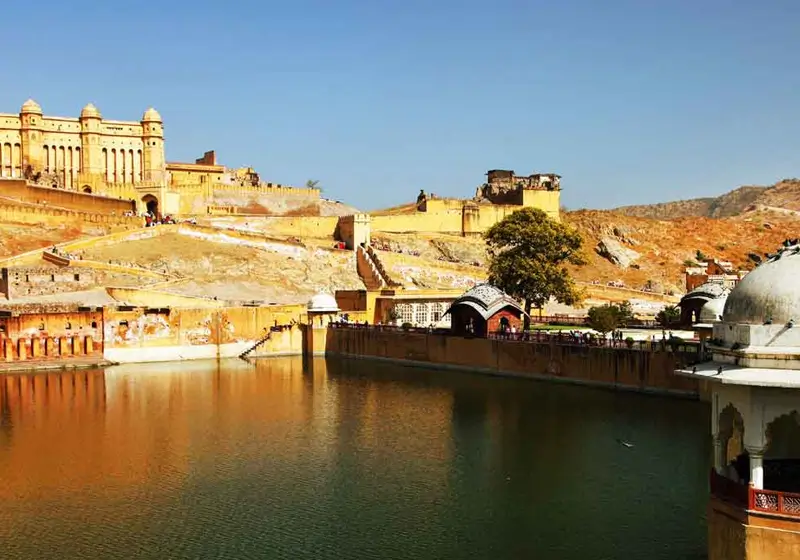
Travelers driving through Rajasthan often witness vast sand dunes, historic forts rising from hilltops, and small desert villages where colorful clothing contrasts beautifully with the surrounding terrain.
In southern India, road journeys reveal tropical landscapes filled with coconut trees, rivers, and mountain ranges.
These constantly shifting environments make India scenic road trips visually captivating and emotionally engaging for travelers.
Road travel naturally creates opportunities to interact with local people. Stopping at roadside cafes, tea stalls, or small restaurants often leads to spontaneous conversations with residents who are curious about visitors from other countries.
Tea stalls, commonly known as “chai stops,” are particularly popular places for travelers to pause during long drives. Here, visitors can enjoy a cup of freshly prepared tea while observing the lively conversations and interactions among locals.
These encounters often reveal the warmth and friendliness that Indian hospitality is known for. Locals may offer recommendations about nearby attractions, share stories about their region, or simply welcome travelers with genuine curiosity.
For many visitors, these small interactions become highlights of their journey, demonstrating how cultural travel experiences in India extend far beyond major tourist destinations.
Many of India’s highways follow routes that have been used for centuries. Long before modern transportation existed, merchants, pilgrims, and travelers moved along these roads connecting important cities and regions.
The famous Grand Trunk Road, for example, has served as a major trade route for more than two thousand years. It stretches across northern India and continues into neighboring countries.
Traveling along such historic routes creates a sense of connection with the past. The same paths once used by ancient traders and royal caravans now carry modern vehicles transporting travelers across the country.
This historical continuity adds another dimension to road journeys, reminding travelers that transportation routes have long played a vital role in shaping India’s cultural exchange.
One of the biggest advantages of road travel is flexibility. Unlike trains or flights that operate on fixed schedules, road journeys allow travelers to adjust their plans based on personal interests.
Travelers can stop at scenic viewpoints, visit small villages, explore local markets, or pause for photographs whenever something interesting appears along the route.
This flexibility allows visitors to design personalized itineraries that reflect their travel preferences. Some travelers enjoy exploring hidden temples, while others prefer stopping at local restaurants to try regional cuisine.
The freedom to change plans spontaneously makes private car tours in India particularly appealing to international visitors.
Road travel transforms the journey itself into an experience rather than simply a means of reaching the next destination.
Indian highways are famous for roadside restaurants known as “dhabas.” These establishments serve freshly prepared meals to travelers and truck drivers who pass through the region.
Dhabas often specialize in regional cuisine, offering dishes that reflect the culinary traditions of the surrounding area. Meals are usually simple but flavorful, prepared using local ingredients and traditional cooking techniques.
Stopping at a dhaba allows travelers to experience authentic Indian food in a relaxed environment. Guests often sit at open-air tables while watching the activity of passing vehicles and local travelers.
These roadside dining experiences create memorable moments that reflect the vibrant culture of Indian highway travel.
Skip crowded transport and enjoy a flexible journey with your own car and driver. Stop wherever you like, explore hidden spots, and travel at your own pace while we take care of your comfort and safety throughout the trip.
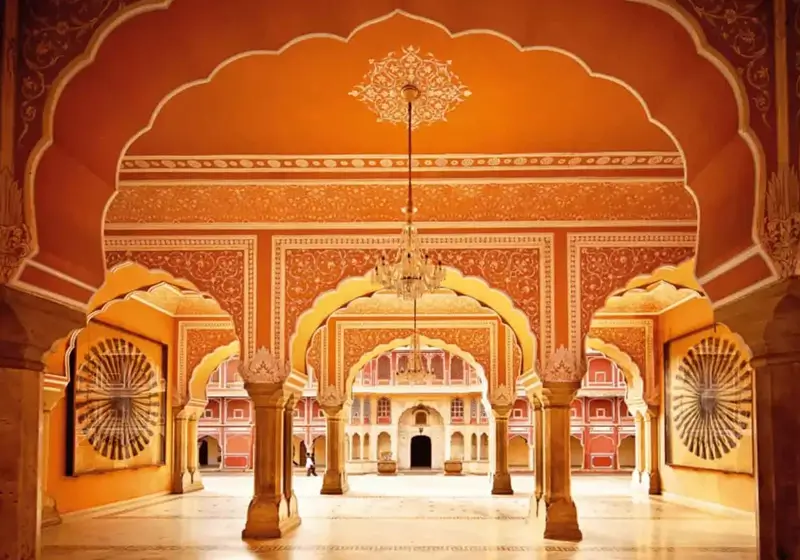
Chat On WhatsApp Contact UsSome of India’s most beautiful destinations are best experienced by road. Driving through Rajasthan reveals landscapes dotted with hilltop forts, historic stepwells, and colorful villages.
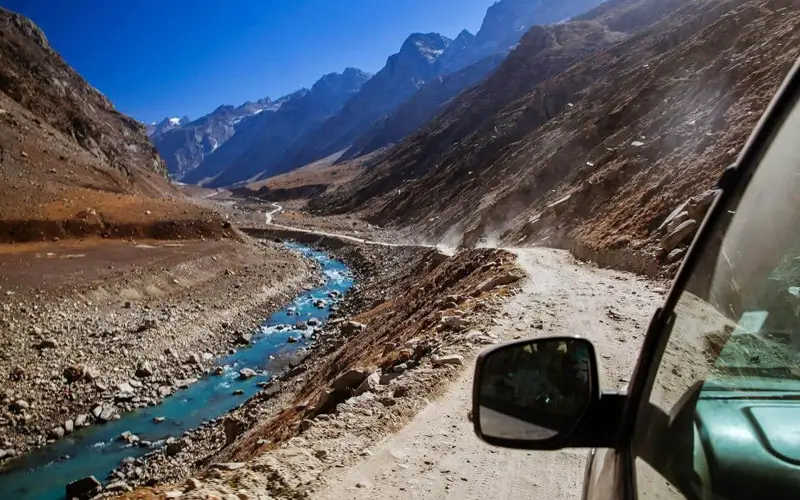
Road journeys in Himachal Pradesh and Uttarakhand provide access to mountain villages and breathtaking viewpoints that cannot be reached easily by train or plane.
Similarly, southern India’s coastal highways offer stunning ocean views and charming fishing communities.
These scenic routes encourage travelers to slow down and appreciate the beauty of the surrounding environment.
Exploring these regions by road allows visitors to fully experience the visual richness of India road trip destinations.
Perhaps the most exciting aspect of road travel in India is the constant sense of discovery. Every journey brings unexpected moments—whether it is spotting wildlife near a forest road, encountering a colorful village festival, or discovering a historic monument that does not appear in guidebooks.
These surprises make road travel feel like an adventure where every kilometer reveals something new.
Unlike structured travel itineraries that follow predictable patterns, road journeys allow travelers to embrace spontaneity and curiosity.
For visitors seeking deeper connections with the country, traveling by road offers a more immersive way to understand India’s landscapes, cultures, and communities.
Yes, many travelers explore cities and regions by private car.
Major highways connecting tourist cities are generally safe and well maintained.
The Golden Triangle route between Delhi, Agra, and Jaipur is very popular.
They are roadside restaurants serving traditional regional meals.
Yes, private car travel allows flexible stops along the route.
Road travel offers more flexibility and scenic experiences.
Yes, travelers see villages, farmland, and local life along highways.
Yes, changing landscapes create great photography opportunities.
Yes, roadside stops often lead to friendly conversations.
They combine cultural encounters, scenic landscapes, and adventure.
Fill in the details below. Our expert consultant will respond within 4 hours with a bespoke itinerary crafted just for you — completely free, no obligation.