Travelers visiting India often notice something unique about the way they are welcomed. From luxury hotels to small village homes, guests are treated with remarkable warmth and respect. Many visitors describe their experiences in India not just as sightseeing trips but as deeply personal journeys shaped by kindness and generosity. The foundation of this tradition lies in a cultural philosophy that has existed in India for thousands of years.
In Indian culture, the ancient Sanskrit phrase “Atithi Devo Bhava”, meaning “The guest is equivalent to God,” reflects the deep respect given to visitors. This belief has shaped social customs, traditions, and everyday behavior across the country. Hospitality is not simply a service offered by hotels or tourism businesses. Instead, it is considered a moral responsibility deeply embedded in Indian society.
Understanding the roots of Indian hospitality culture helps travelers appreciate why the country feels so welcoming to visitors. The tradition of treating guests with honor continues to influence homes, communities, and tourism experiences throughout India.
The phrase “Atithi Devo Bhava” originates from ancient Hindu scriptures and reflects the cultural philosophy that every guest deserves respect and kindness. The word “Atithi” refers to a guest or visitor, while “Devo Bhava” means to treat someone like a divine presence.
For centuries, Indian families have followed this principle by welcoming guests with food, shelter, and generosity. Historically, travelers in India often depended on the kindness of local communities when moving between regions. Offering hospitality to strangers was therefore considered both a duty and a virtue.
Even today, this philosophy continues to influence daily life. Visitors to India often notice how locals go out of their way to help travelers, whether by giving directions, offering tea, or sharing stories about their culture.
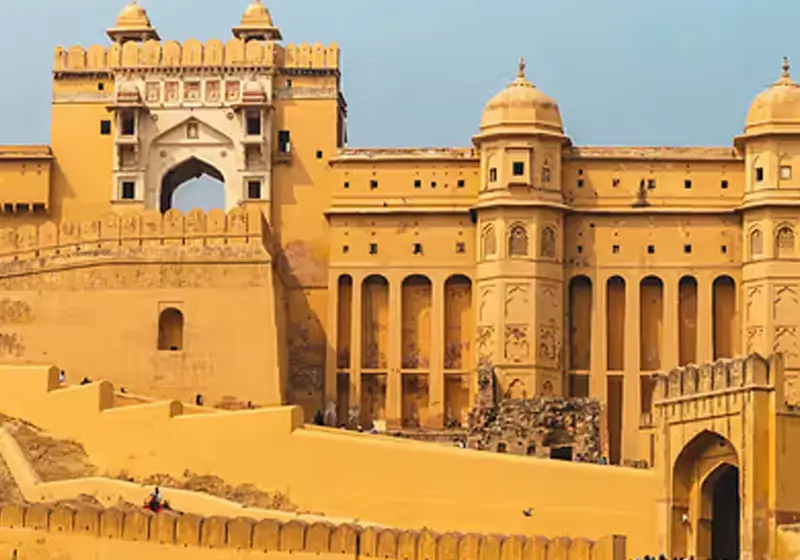
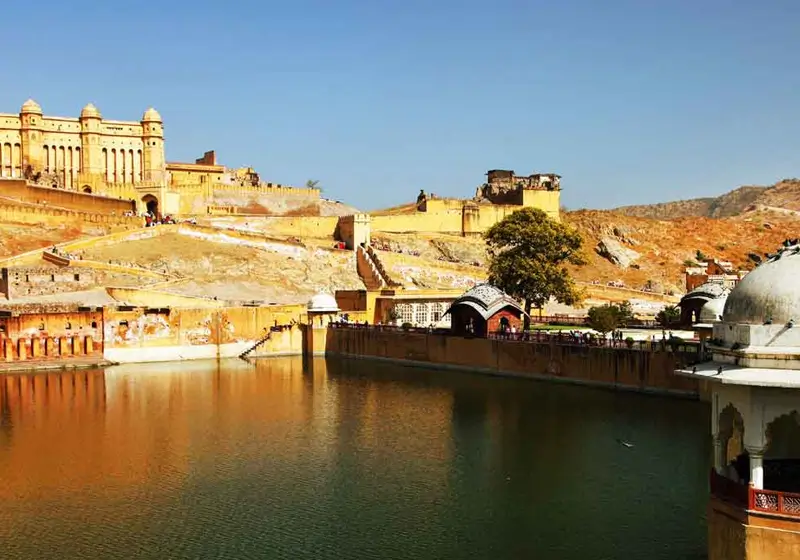
This deep-rooted tradition is one of the reasons many tourists remember India not only for its monuments and landscapes but also for its people.
Discover the warmth, care, and personalized service that make India truly special. From luxury stays to cultural experiences, let us craft a journey where every guest is treated like family.
Chat On WhatsApp Contact UsIn many parts of India, hospitality is seen as a reflection of personal character and family values. Families often take pride in welcoming guests warmly and ensuring that visitors feel comfortable in their homes.
When guests arrive, they are often greeted with refreshments such as tea, sweets, or traditional snacks. Hosts frequently insist that visitors eat before leaving, reflecting the belief that feeding guests is a sign of respect and goodwill.
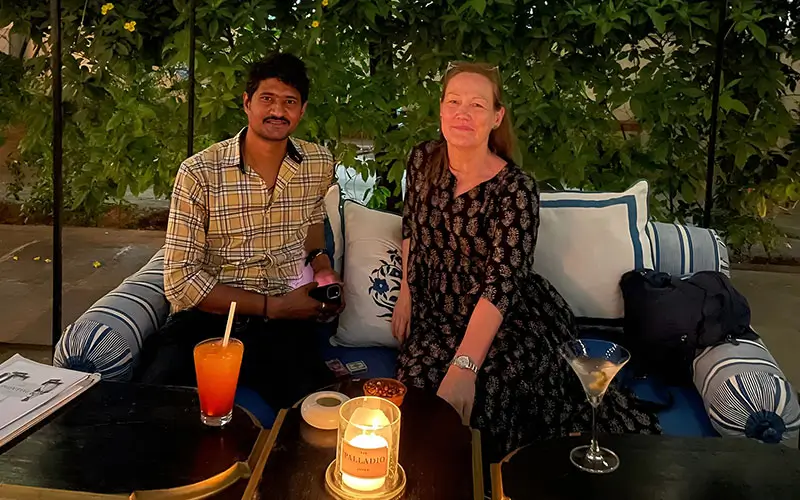
This approach to hospitality is common not only in rural areas but also in cities across the country. Travelers who interact with local families often experience the warmth of traditional Indian hospitality firsthand.
These gestures may seem simple, but they reflect a cultural mindset that values generosity and human connection.
One of the most memorable experiences for travelers is visiting an Indian home. Families often welcome guests with a sense of celebration, preparing special meals and ensuring that visitors feel like part of the household.
Meals served to guests often include multiple dishes prepared with care. In many households, the best food is reserved specifically for visitors as a sign of respect.
Hosts often engage guests in long conversations, sharing stories about family traditions, festivals, and local history. These interactions create meaningful cultural exchanges that go beyond typical tourism experiences.
For travelers interested in authentic cultural experiences in India, spending time with local families can provide valuable insights into everyday life.
The tradition of hospitality has also influenced India’s tourism industry. Hotels, tour operators, and guides often prioritize personalized service to ensure that visitors feel comfortable and valued.
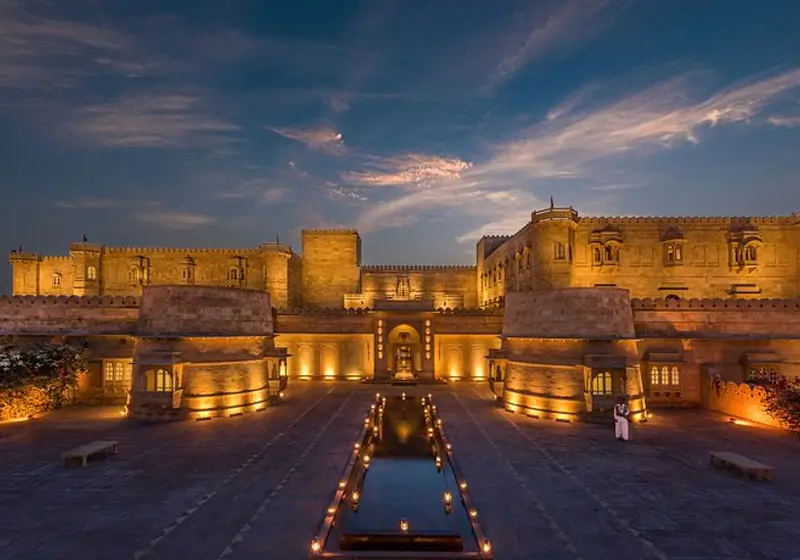
Luxury hotels in India frequently incorporate traditional welcome ceremonies that include flower garlands, aromatic drinks, and cultural greetings. These gestures reflect the country’s heritage while providing a memorable arrival experience for guests.
Tour guides often share stories about local traditions and cultural practices, helping travelers understand the deeper meaning behind historical monuments and festivals.
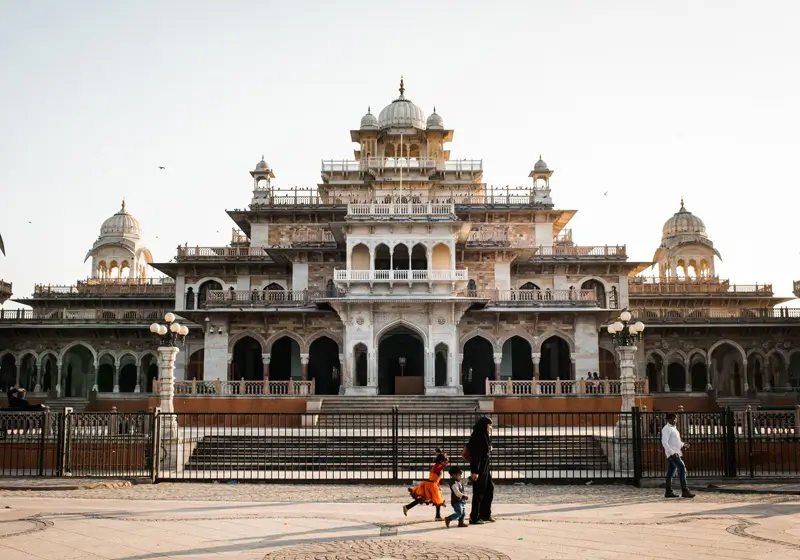
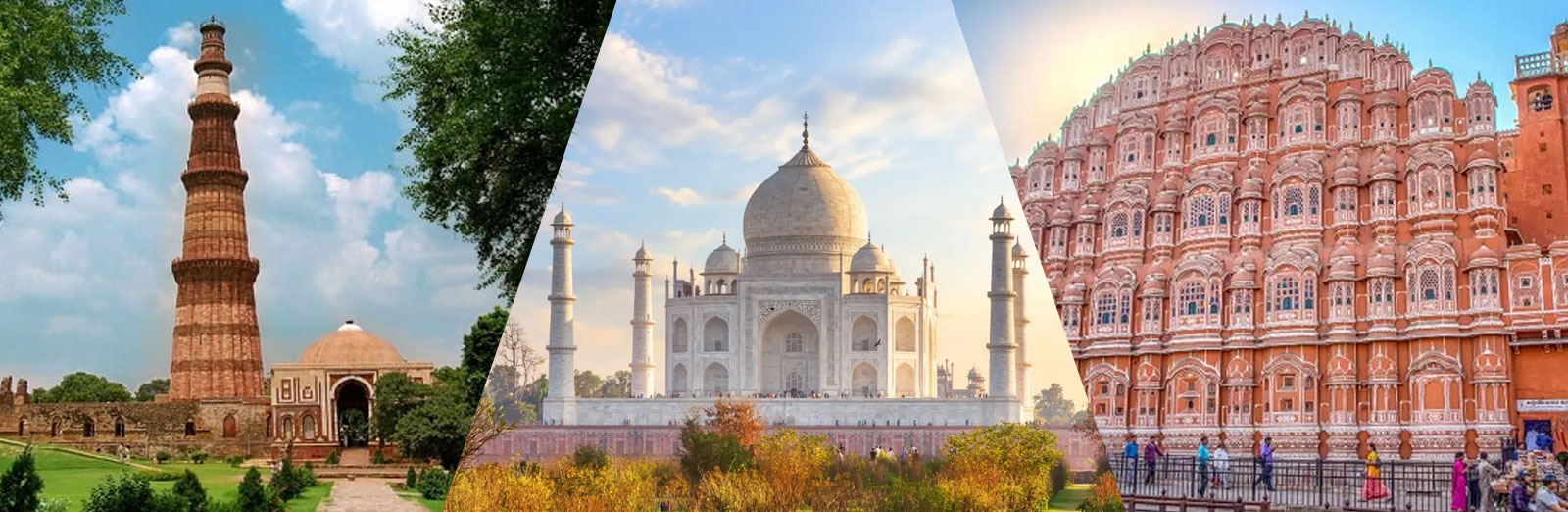
For visitors exploring destinations such as Delhi, Jaipur, and Agra, this focus on personalized attention enhances the overall travel experience.
Food plays a central role in Indian hospitality traditions. Offering meals to guests is considered an essential part of welcoming someone into a home.
Indian cuisine is known for its variety and richness, and hosts often prepare multiple dishes to ensure that visitors experience different flavors and ingredients. Sharing food also creates opportunities for conversation and cultural exchange.
In many households, guests are encouraged to eat generously, and hosts often insist on serving additional portions as a sign of care and generosity.
Travelers who experience home-cooked meals in India often describe them as one of the most memorable aspects of their journey.
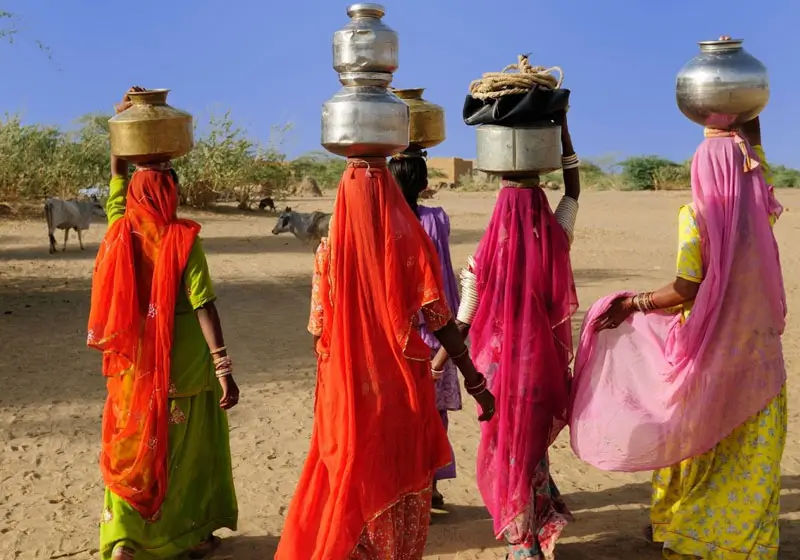
In rural India, hospitality often takes on an even deeper meaning. Village communities are known for their openness and willingness to welcome visitors.
Travelers exploring rural regions frequently encounter spontaneous acts of kindness, such as invitations to share tea, participate in local celebrations, or visit family homes.
These interactions allow visitors to see the human side of Indian culture beyond famous tourist attractions.
For travelers interested in cultural tourism in India, rural experiences provide a unique opportunity to connect with communities and understand traditional ways of life.
One of the unique aspects of Indian hospitality is the emotional connection that often develops between hosts and visitors. Guests are frequently treated like extended family members rather than temporary visitors.
Hosts often remain in contact with travelers long after their visits, exchanging messages and invitations for future trips. These relationships create lasting memories and encourage travelers to return to India.
Many international visitors describe their journeys in India as transformative experiences shaped by the warmth of local people.
This emotional connection is one of the reasons India leaves such a lasting impression on travelers.
Travel across India with comfort, care, and local expertise. From handpicked stays to seamless planning, we ensure every moment of your journey reflects true warmth and unforgettable hospitality.
Chat On WhatsApp Contact UsWhile India is famous for its historic monuments, colorful festivals, and diverse landscapes, many travelers say that the kindness of its people is what truly defines the country.
Visitors often recall small acts of generosity such as strangers offering help, families inviting them for meals, or guides sharing personal stories about their culture.
These experiences demonstrate how deeply hospitality is woven into everyday life in India.
Travelers who experience this warmth often return home with a deeper appreciation for Indian culture and the values that shape it.
The tradition of “Guest is God” continues to influence how visitors experience India today. From luxury hotels to small village homes, hospitality remains one of the defining characteristics of Indian culture.
As tourism continues to grow, the country’s commitment to welcoming guests with kindness and respect remains unchanged.
For travelers exploring India, understanding this cultural philosophy adds meaning to every interaction and experience.
The warmth of Indian hospitality often becomes one of the most memorable parts of the journey, reminding visitors that travel is not only about places but also about people.
Fill in the details below. Our expert consultant will respond within 4 hours with a bespoke itinerary crafted just for you — completely free, no obligation.