Itinerary ideas, cultural insights, luxury tips and practical planning guides for every India traveller.
Experiencing Ramadan in the Golden Triangle is unlike observing the holy month in any single city. The interconnected heritage of Delhi, Agra, and Jaipur creates a spiritually layered journey where Mughal architecture, Sufi traditions, and vibrant Muslim communities shape daily rhythms from suhoor to iftar. For Muslim travelers and culturally curious visitors alike, this period transforms North India into a deeply reflective yet socially vibrant destination.
The Golden Triangle already represents one of the most historically significant travel circuits in India. During Ramadan, its atmosphere shifts subtly. Markets extend their evening hours, mosques fill with worshippers for Taraweeh, and culinary traditions flourish in night bazaars. Luxury hotels adapt to fasting schedules, offering early morning meals and sunset dining experiences tailored for observing guests.
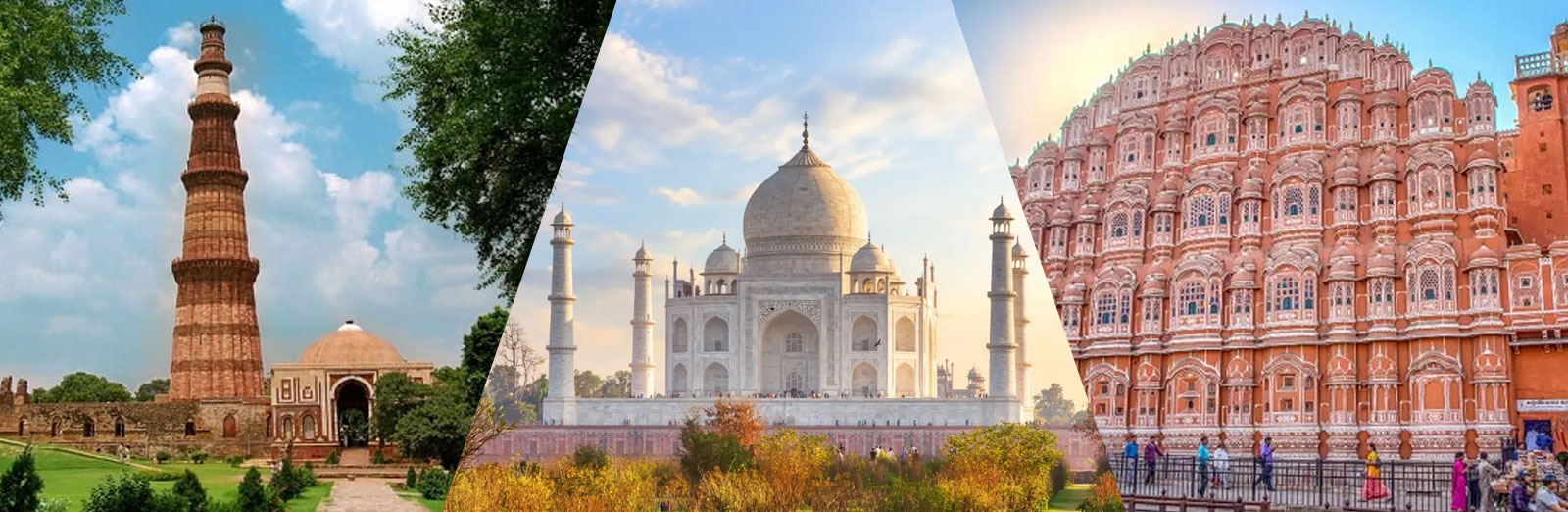
Understanding how to navigate prayer timings, dining logistics, and cultural etiquette ensures that travelers can maintain religious commitments while exploring monuments such as the Taj Mahal, Jama Masjid, and Jaipur’s historic quarters. Ramadan travel across the Golden Triangle blends faith, heritage, and refined hospitality into one cohesive experience.
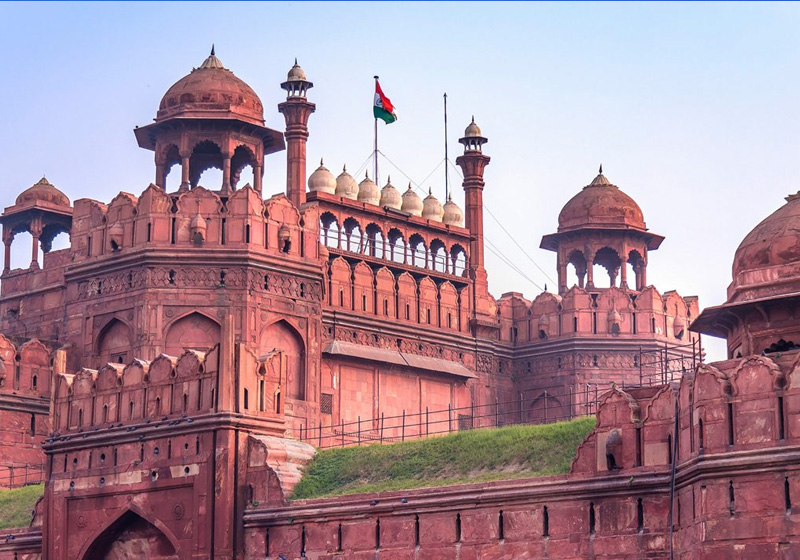
Delhi becomes the spiritual heartbeat of the Golden Triangle during Ramadan. The historic lanes of Old Delhi, particularly around Jama Masjid Delhi, pulse with anticipation as sunset approaches. Vendors prepare dates, fruit chaat, kebabs, and traditional sweets. The call to Maghrib prayer signals the breaking of fast, creating a collective moment of gratitude shared across thousands of worshippers.
After iftar, the atmosphere shifts toward Taraweeh prayers. Jama Masjid’s vast courtyard fills with rows of devotees, while smaller neighborhood mosques across the city welcome congregations late into the night. For Muslim travelers, praying in a seventeenth-century mosque built by Emperor Shah Jahan carries profound historical resonance.
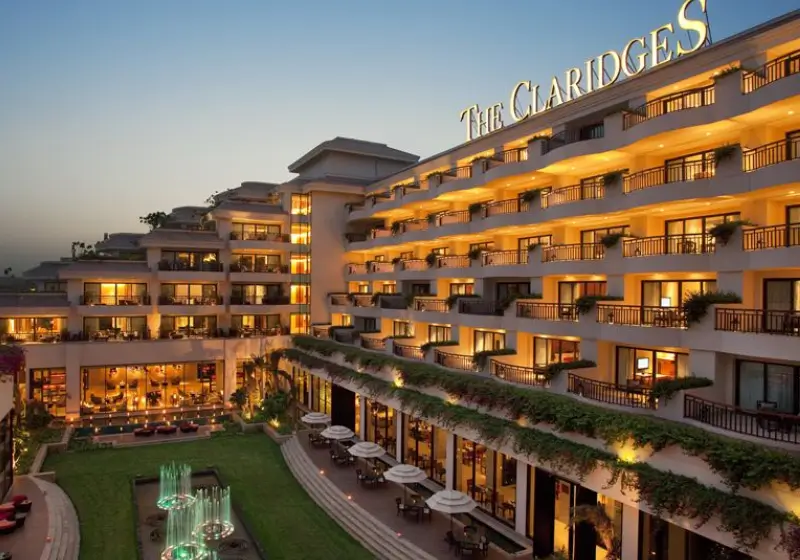
Luxury hotels in central Delhi recognize the importance of Ramadan hospitality. Many arrange suhoor trays delivered before dawn and curated iftar buffets featuring regional and Middle Eastern cuisine. Prayer mats and Qibla directions are often provided upon request, ensuring comfort for observing guests.
Beyond worship, Ramadan evenings in Delhi offer cultural immersion. Night markets remain active, providing opportunities to experience Mughlai culinary traditions deeply rooted in Islamic heritage.
Experience the spiritual charm of Ramadan while exploring Delhi, Agra, and Jaipur. Contact us today to customize your unforgettable journey.
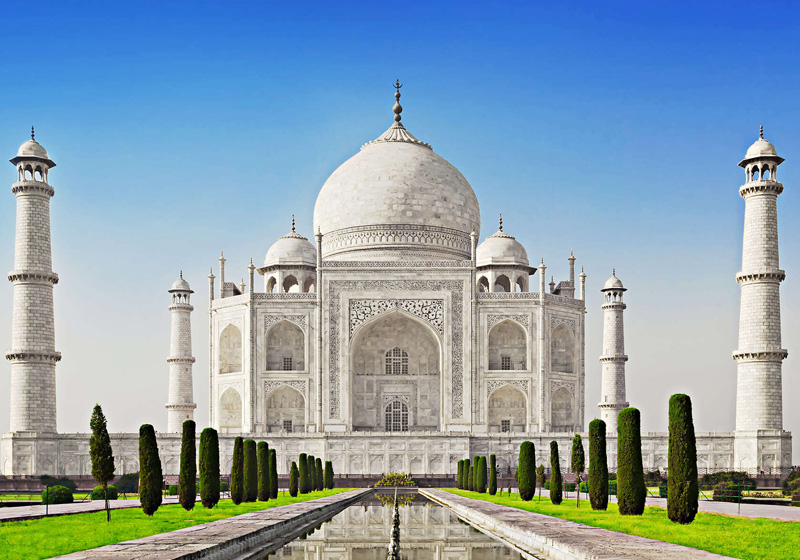
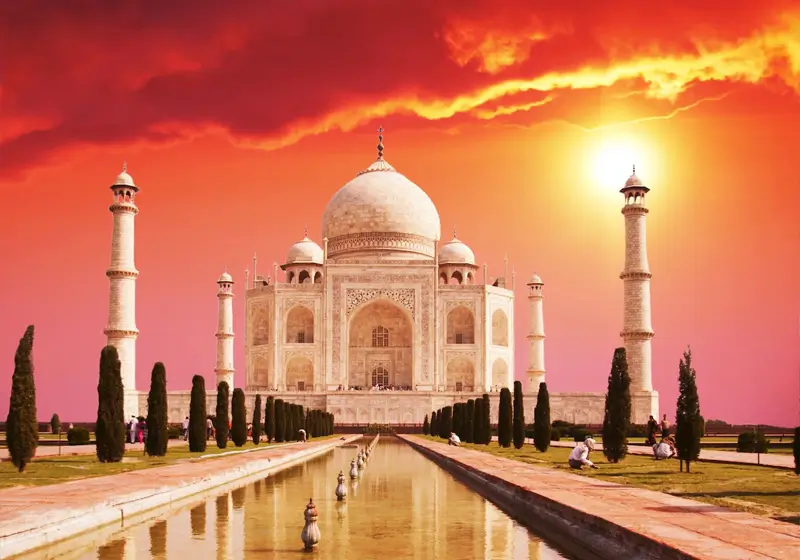
Agra’s Ramadan ambiance feels quieter yet equally meaningful. The presence of the Taj Mahal, a monument commissioned by Shah Jahan, amplifies the spiritual undertone of the city. The mosque within the Taj complex remains an active place of prayer, adding authenticity to the experience.
Luxury hotels overlooking the monument curate elegant iftar dinners that blend Mughlai flavors with contemporary presentation. Dates, lentil soups, aromatic biryanis, and refreshing sherbets create balanced meals after a day of fasting. Terrace settings with Taj views provide serene environments for reflection.
Local neighborhoods in Agra also host community iftars where travelers can observe grassroots traditions. The combination of imperial architecture and living faith makes Ramadan travel in Agra uniquely immersive.
Evenings conclude with Taraweeh prayers in historic mosques scattered throughout the city. The spiritual calm contrasts beautifully with the daytime grandeur of marble monuments.
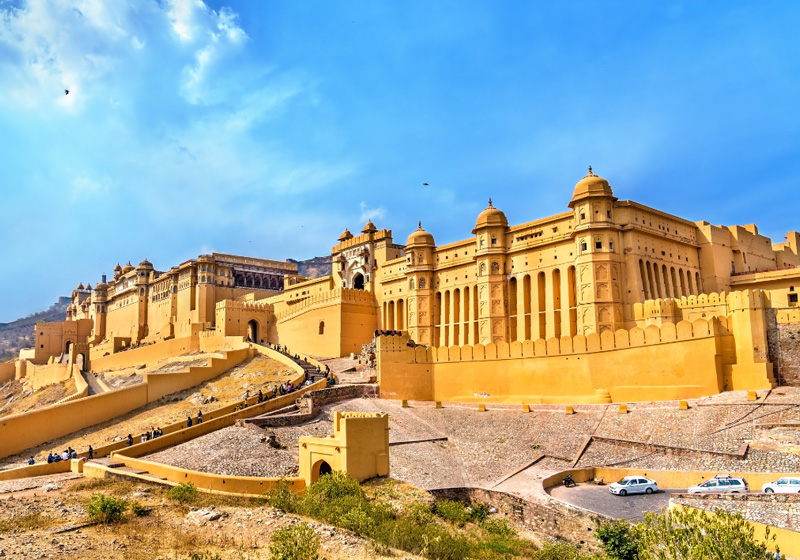
Jaipur may be widely recognized for Rajput heritage, yet it hosts vibrant Muslim communities and historic mosques that come alive during Ramadan. The Jama Masjid Jaipur, located within the old city, becomes a focal point for evening congregational prayers.
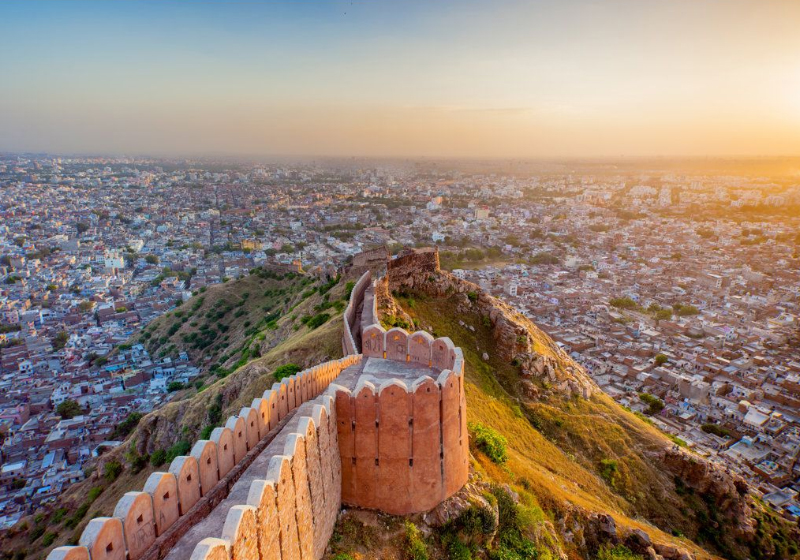
The Pink City’s Ramadan nights are more intimate compared to Delhi’s bustling bazaars. Local markets prepare traditional dishes such as haleem and sweet phirni. The atmosphere feels communal and warm rather than overwhelming.
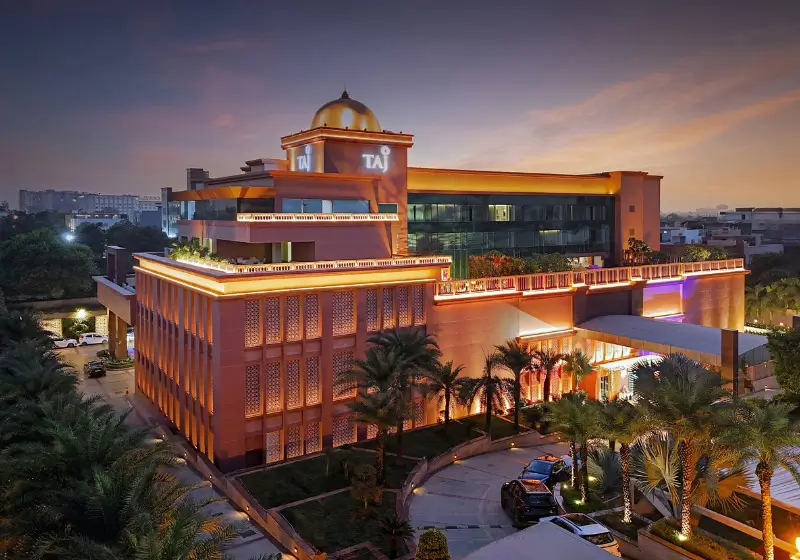
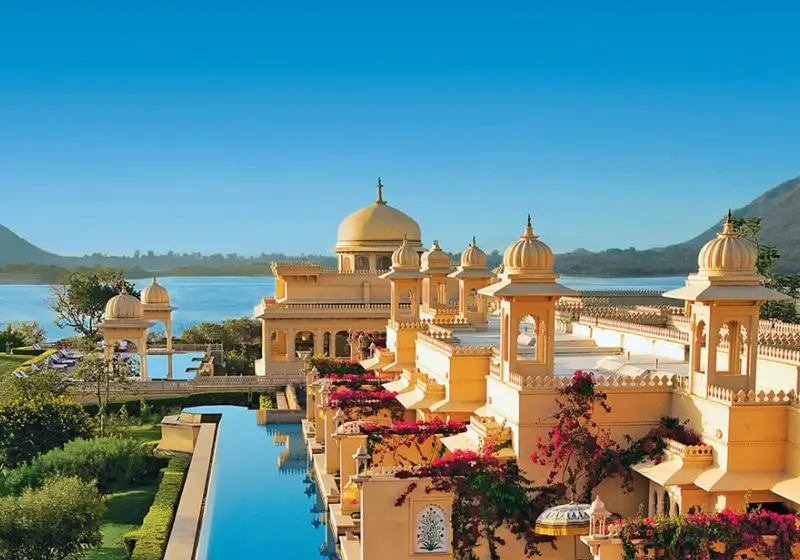
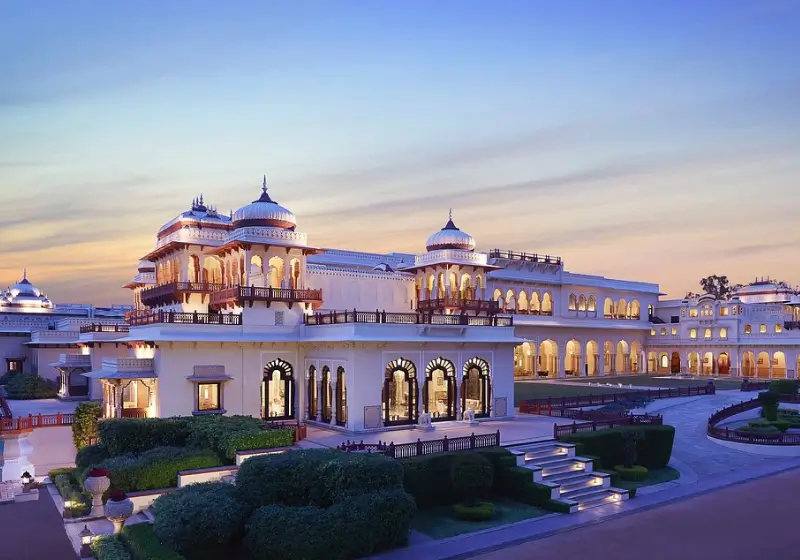
Luxury heritage hotels in Jaipur increasingly accommodate Ramadan travelers. Personalized suhoor arrangements and alcohol-free dining spaces align naturally with the spirit of the month. Rooftop dinners featuring curated mocktails and regional cuisine allow guests to break fast gracefully.
Combining palace stays with spiritual observance creates a balanced itinerary where indulgence and devotion coexist respectfully.
Planning a Ramadan Golden Triangle tour requires thoughtful pacing. Early mornings are ideal for monument visits before heat intensifies. Afternoon rest allows energy conservation for evening prayers and iftar gatherings.
Transportation logistics should consider Maghrib timing, ensuring travelers reach suitable prayer spaces before sunset. Private chauffeur services enhance flexibility and punctuality.
Selecting hotels familiar with Ramadan hospitality streamlines dining coordination. Communicating dietary needs and suhoor timing in advance prevents inconvenience.
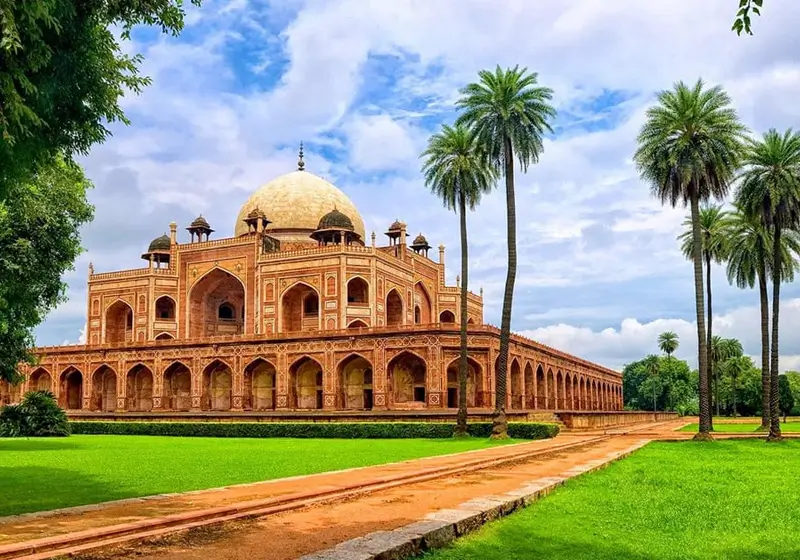
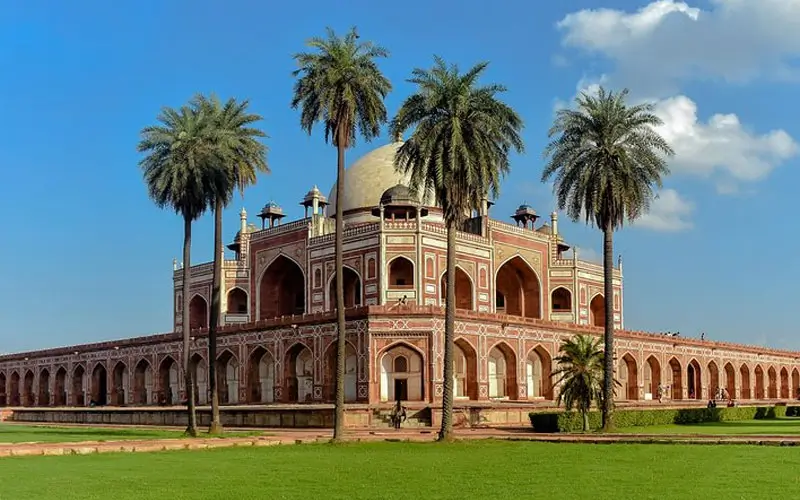
Incorporating guided visits to Islamic heritage sites such as Delhi’s Humayun’s Tomb or Agra’s Mughal gardens enriches the spiritual narrative of the journey.
Discover the beauty of Delhi, Agra, and Jaipur during the holy month of Ramadan. Let our travel experts help you plan a comfortable and memorable Golden Triangle tour.
Respecting local customs during Ramadan enhances the experience for all visitors. Modest attire is advisable when visiting mosques and religious neighborhoods. Public consumption of food during fasting hours should be approached sensitively in Muslim-majority areas.
Photography inside mosques should be conducted only with permission. Maintaining decorum during Taraweeh prayers demonstrates cultural awareness.
Travelers often find Ramadan hospitality deeply generous. Community iftars and mosque gatherings create opportunities for meaningful interaction.
Premium hotels across Delhi, Agra, and Jaipur increasingly understand the nuances of Ramadan travel. Dedicated prayer spaces, halal-certified kitchens, and quiet dining areas enhance guest satisfaction.
The fusion of luxury and devotion defines modern Halal friendly Golden Triangle travel. Guests can observe fasting while enjoying palace accommodations and curated cultural experiences.
This alignment between hospitality and spirituality positions the Golden Triangle as a compelling Ramadan destination for international Muslim travelers.
Traveling during Ramadan intensifies reflection. Witnessing communal prayers beneath historic domes or breaking fast near the Taj Mahal creates lasting memories.
The Golden Triangle’s architectural narrative intertwines naturally with Islamic heritage. Monuments constructed by Mughal emperors become more than tourist sites; they transform into living reminders of faith, artistry, and history.
For many travelers, experiencing Ramadan in such settings deepens appreciation for cultural continuity and global Muslim heritage.
Fill in the details below. Our expert consultant will respond within 4 hours with a bespoke itinerary crafted just for you — completely free, no obligation.