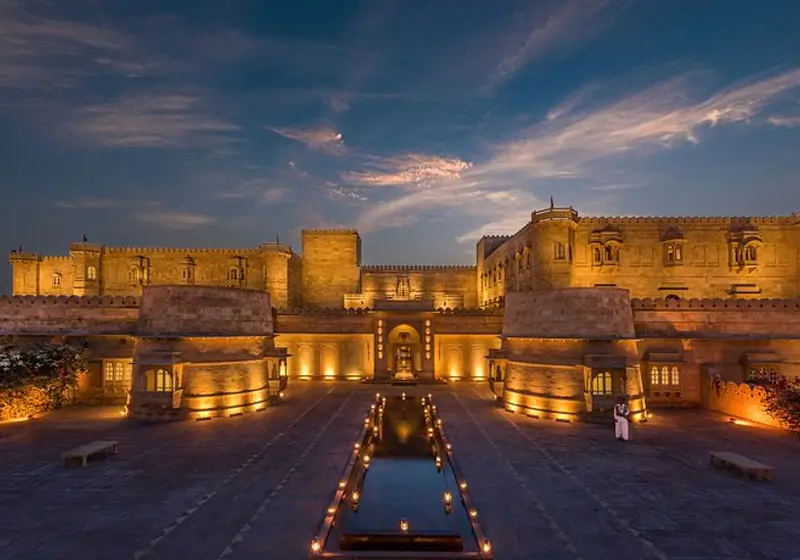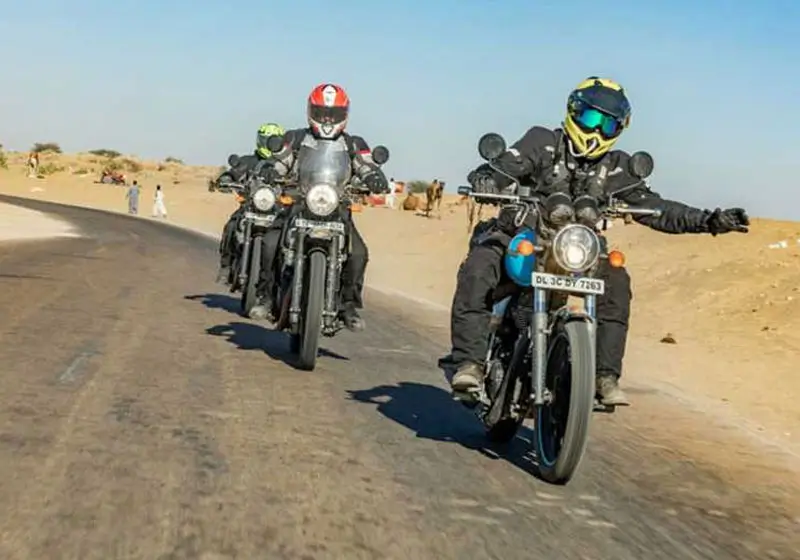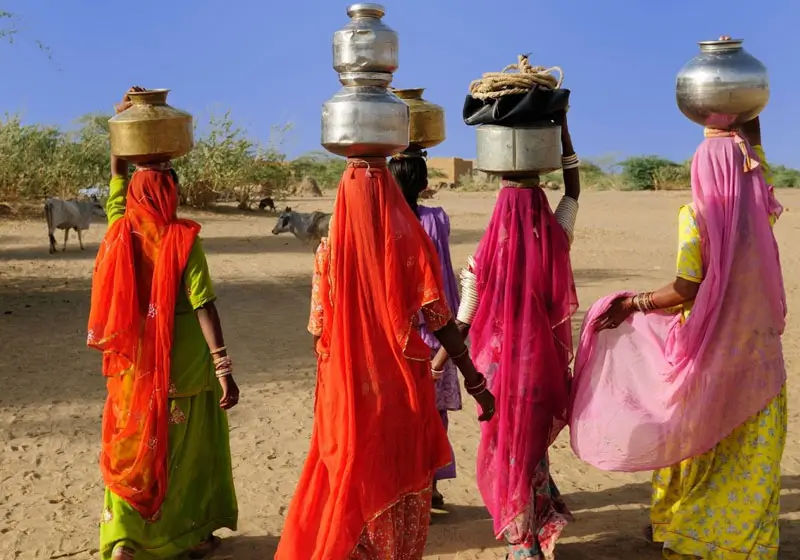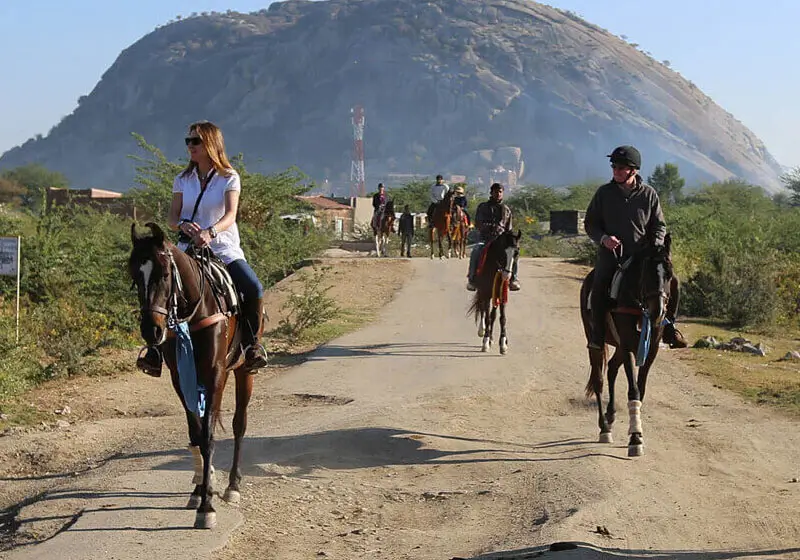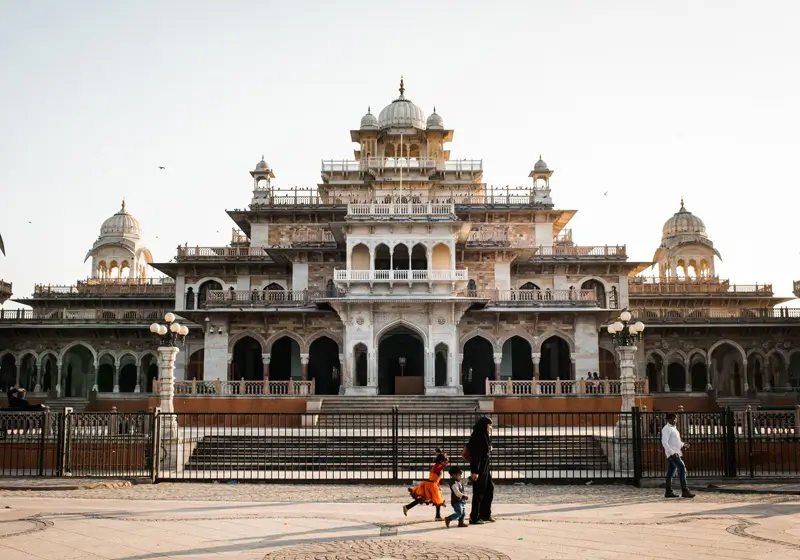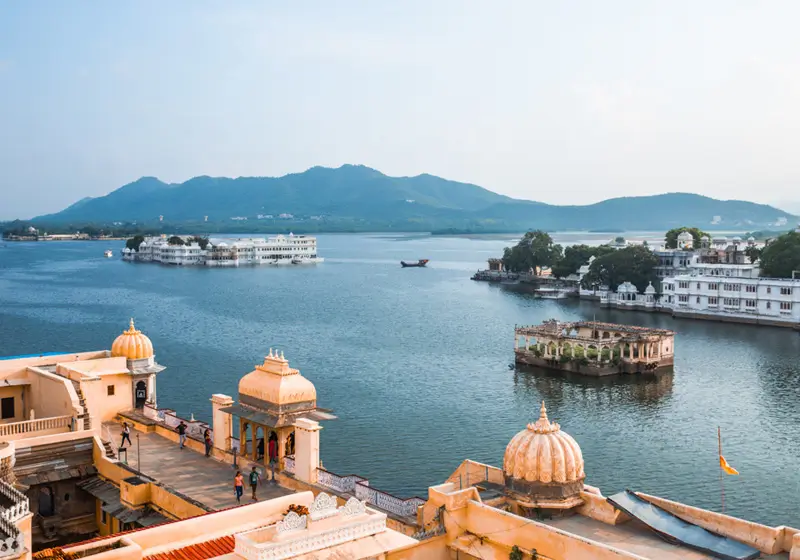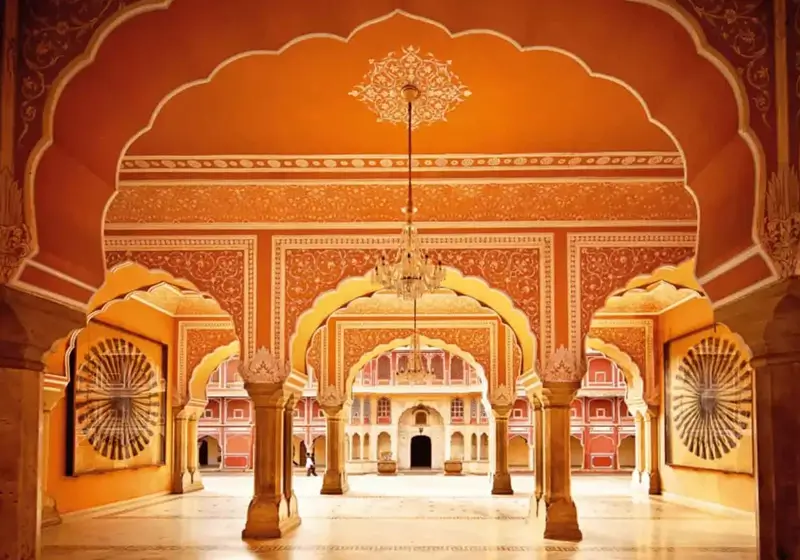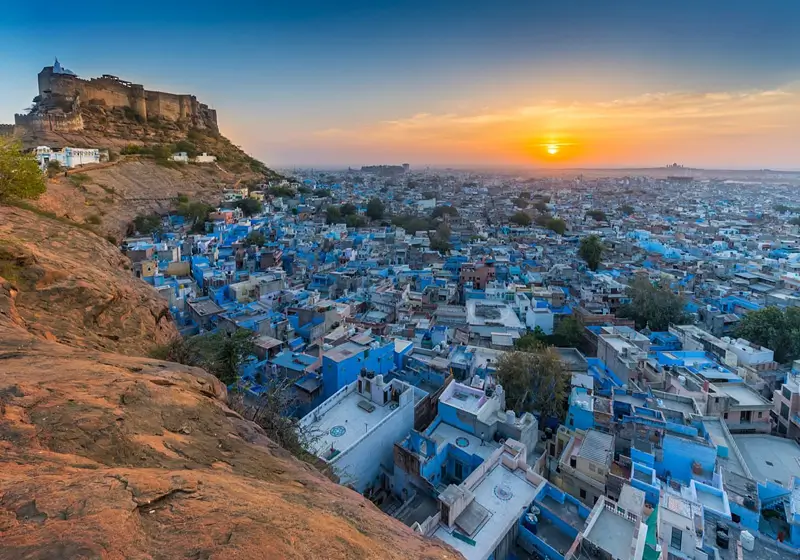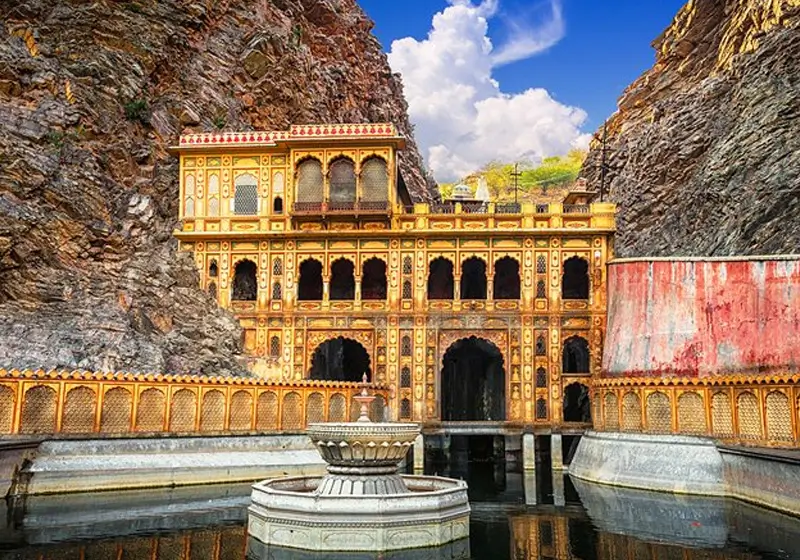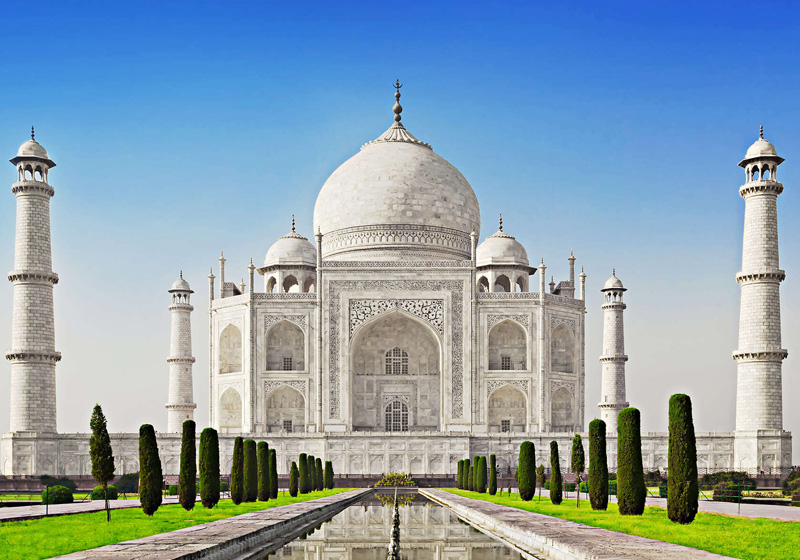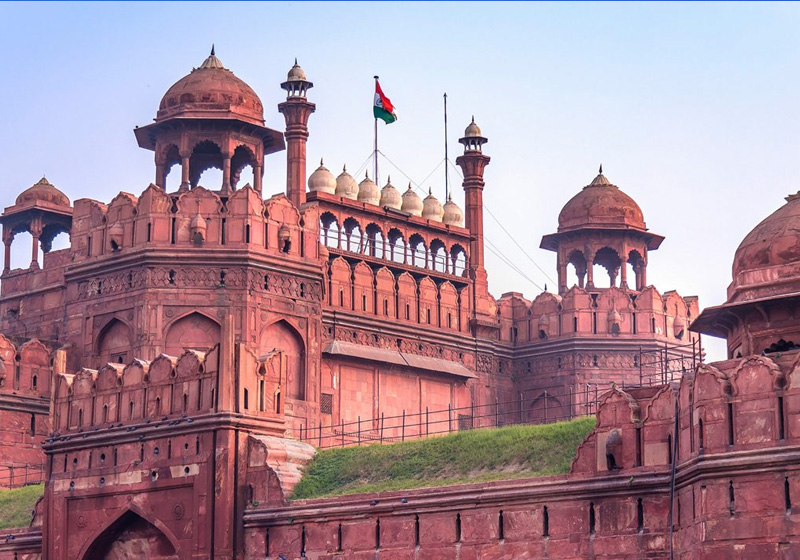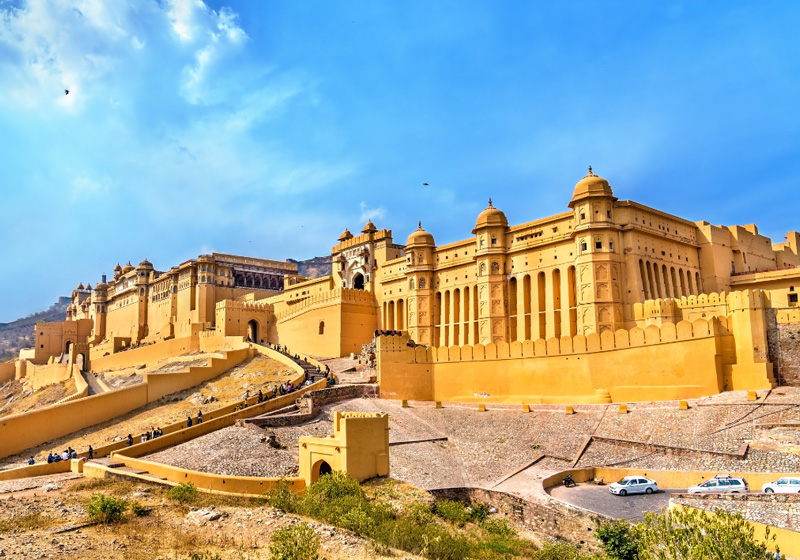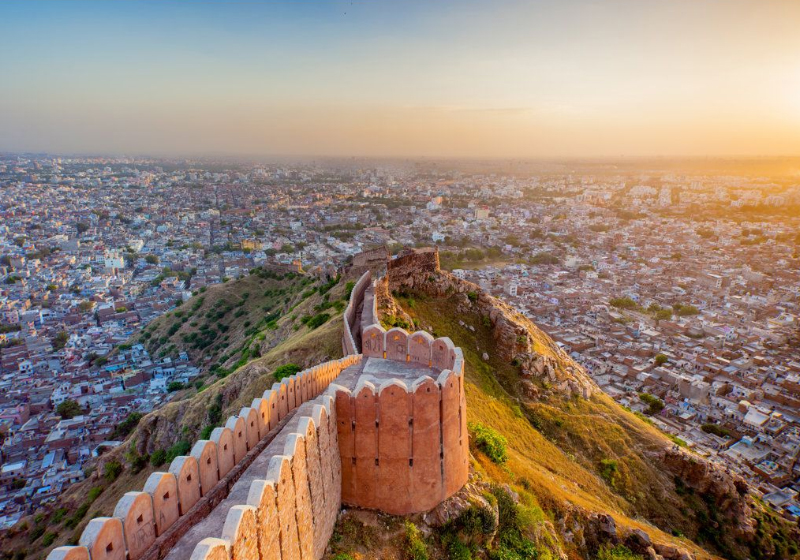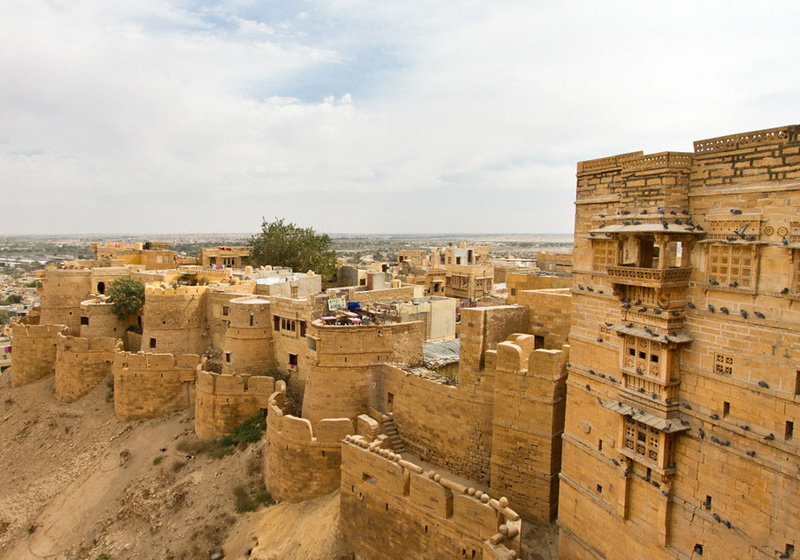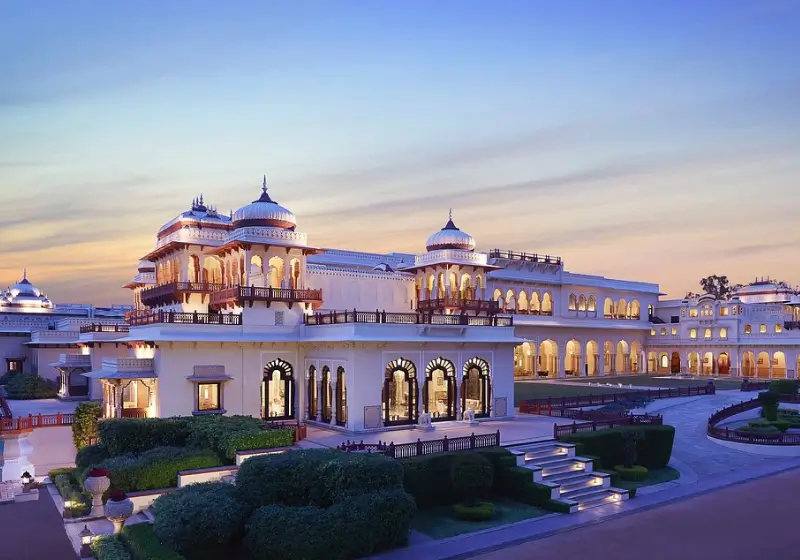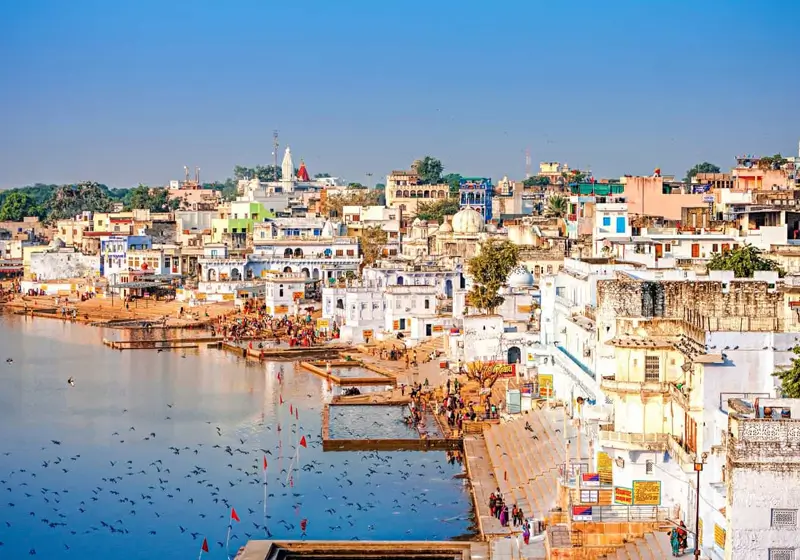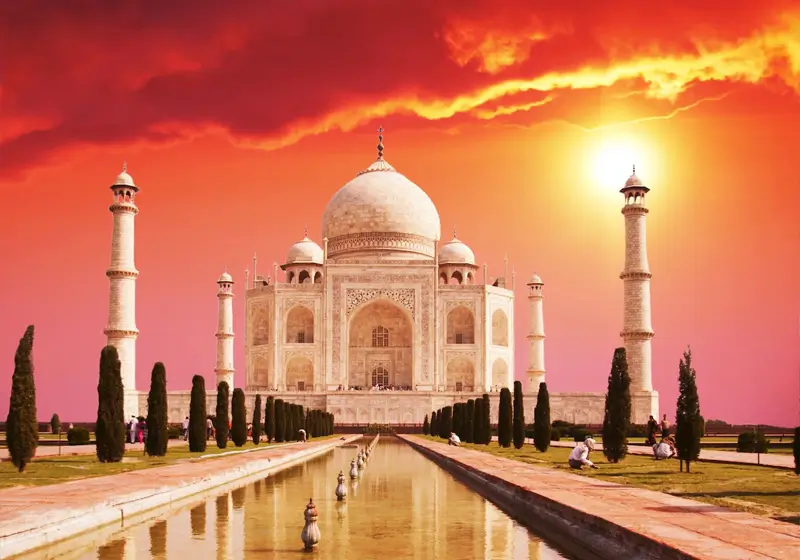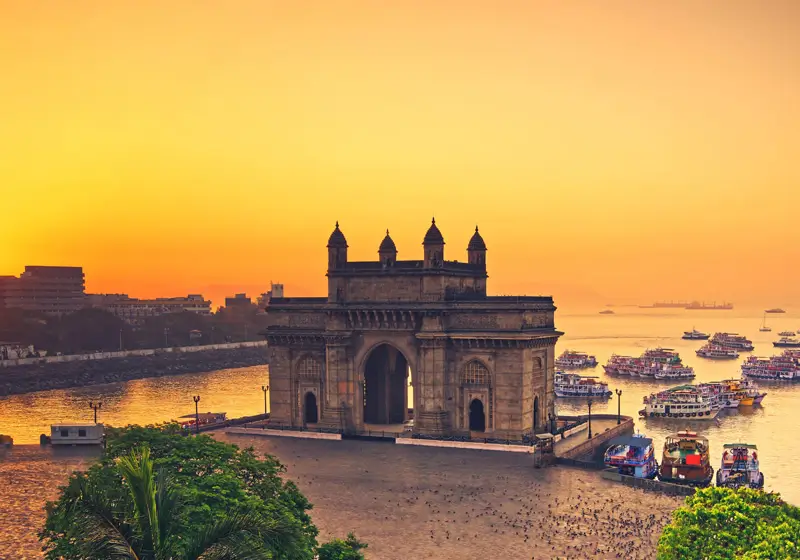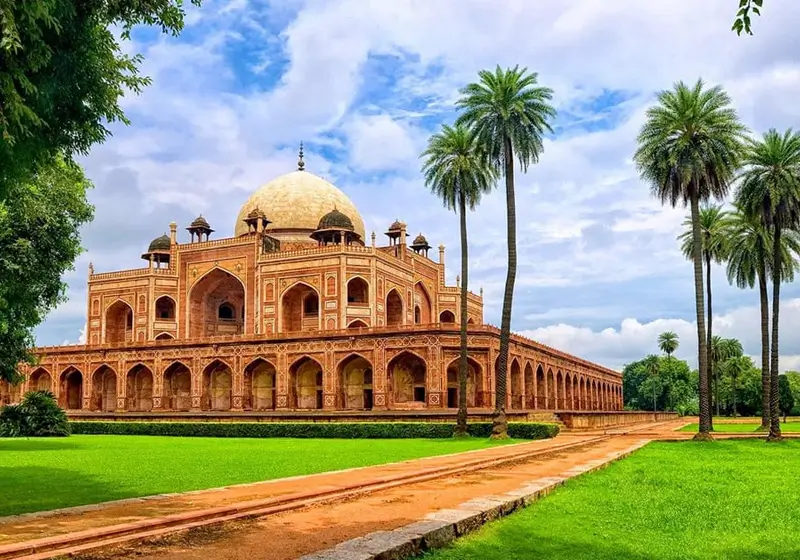
Traveling to India is a life-changing experience - full of color, diversity, and emotion. Every turn reveals something unexpected, from centuries-old palaces and temples to chaotic markets and peaceful countryside roads. Yet for first-time visitors, this cultural intensity can also bring small surprises that turn into avoidable challenges.
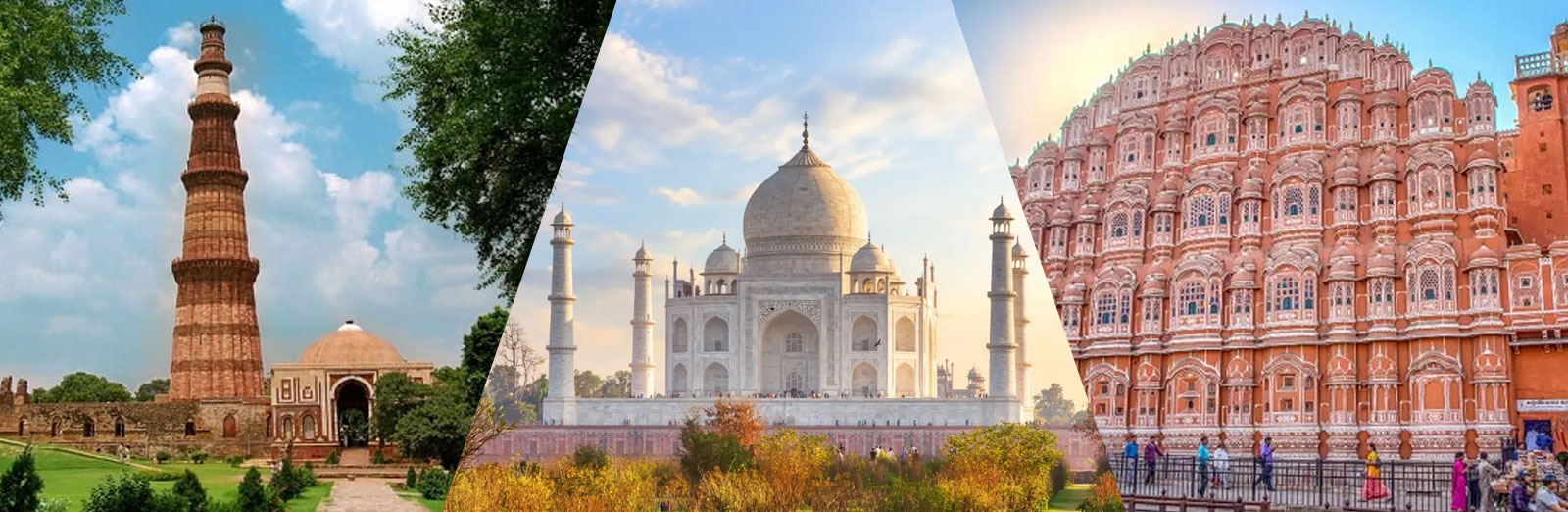
Understanding what not to do in India can make your journey smoother, safer, and infinitely more enjoyable. Whether you’re visiting the Golden Triangle, touring Rajasthan with a private driver, or exploring the Himalayas, this in-depth guide covers the most common mistakes foreign travelers make - and how to avoid them confidently.
Many visitors underestimate India’s scale. A two-hour drive on the map can easily become five hours due to traffic or rural road conditions. The biggest mistake is trying to see everything at once — Delhi, Jaipur, Agra, Udaipur, Kerala, and Varanasi — in a ten-day trip.
The key is pacing. Focus on a single circuit such as the Golden Triangle India tour or a Rajasthan circuit by private car. This ensures quality over quantity - you’ll absorb the culture instead of rushing through monuments.
Working with a professional tour planner or local agency that provides an English-speaking private driver allows you to design realistic itineraries and enjoy flexible timing. Overpacking your schedule is one of the first India travel mistakes new visitors make.
India’s clothing etiquette leans toward modesty, especially outside major metro cities. Wearing revealing clothes, short shorts, or sleeveless tops in rural or religious areas can attract unwanted attention or discomfort.
For both men and women, cotton shirts, scarves, long dresses, or light trousers work well - especially in temples or village tours. In religious places, always cover shoulders and legs, and remove shoes before entering.
Carrying a light shawl is handy for temple visits or to respect cultural sensitivity. Respect for local customs goes beyond dress - avoid public displays of affection, loud arguments, or criticism of religion. These small gestures show awareness and respect, which locals appreciate deeply.
Indian cuisine is flavorful, diverse, and absolutely worth exploring - but first-timers often make the mistake of eating too freely without checking hygiene. Avoid roadside food stalls unless your driver or guide recommends them.
Always choose freshly cooked meals, drink only sealed bottled water, and skip ice in street beverages. Carry rehydration salts if you’re traveling during hot months.
If you’re tempted by local street food - go where crowds of locals eat, not where the place looks empty. Listen to your private driver in India they know the safe eateries.
This isn’t about avoiding adventure - it’s about staying healthy enough to enjoy your trip.
Another big mistake is trying to do everything independently. India’s beauty lies in details - and without local insight, it’s easy to miss context.
Hiring a private driver or certified guide enhances safety and understanding. They explain history, help with language barriers, and steer you away from tourist traps. Many travelers later admit they underestimated the value of having a knowledgeable local companion.
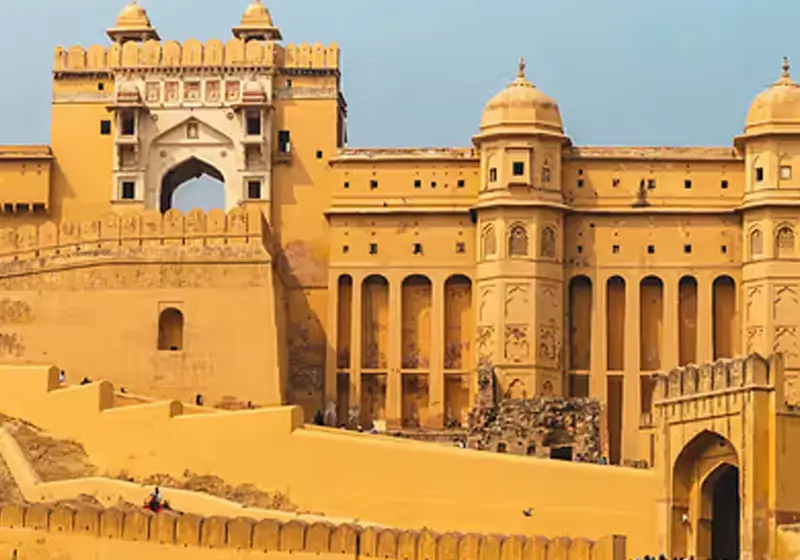
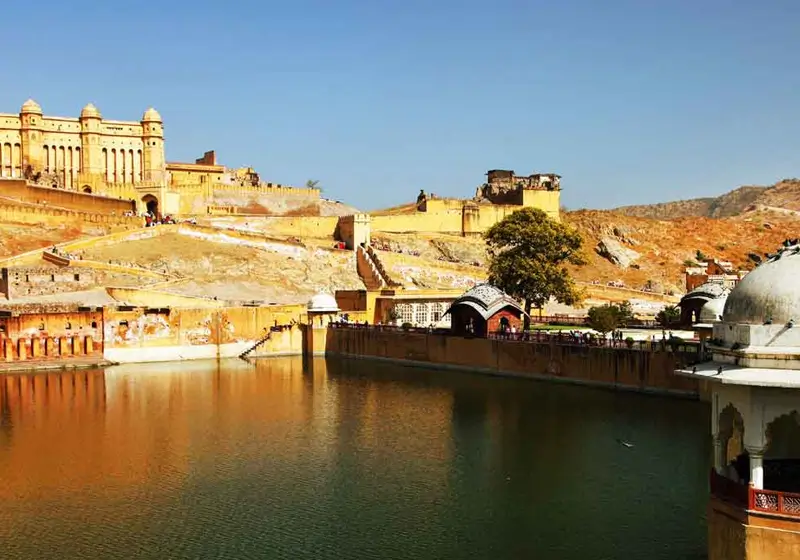
If you’re exploring complex sites like Jaipur’s Amber Fort or Delhi’s Old City, a licensed guide adds meaning to what you see. They know the best hours to visit and how to avoid crowds - making your trip smoother and richer.
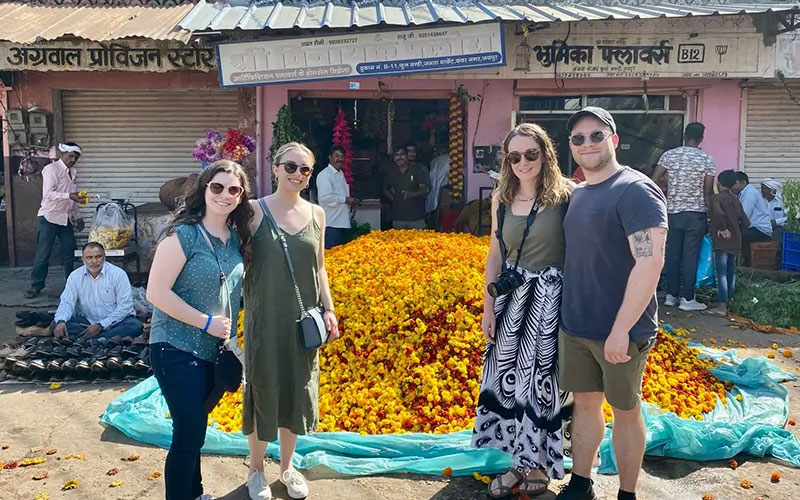
Markets in India are vibrant, but prices often vary between locals and foreigners. Many visitors either overpay or bargain too aggressively, creating awkward situations.
Bargaining here is an art, not a battle. Smile, stay polite, and make counteroffers with humor. Knowing a few Hindi phrases like “Bahut zyada hai” (That’s too much) can help.
Shopping becomes enjoyable when both sides respect the exchange. If you find a fair deal, support local artisans rather than chasing the lowest price. Fairness and friendliness go much further than confrontation.
Punctuality in India has a flexible rhythm. “Five minutes” can mean fifteen. Many first-time visitors get frustrated by delays or slower service.
Remember: in India, time is relational, not mechanical. People value personal interactions more than strict schedules. Patience transforms potential stress into a learning experience.
Having a private driver and flexible itinerary helps enormously - you’re free to adapt without losing your calm. Over time, you’ll realize this slower rhythm is part of India’s charm.
This is one of the most crucial safety mistakes foreigners make. Public taxis or unregistered cabs can be risky, especially late at night or at airports.
Always pre-book airport transfers through your hotel or travel company. For intercity travel, arrange a private car and driver in India through a reputable operator. It ensures insured vehicles, verified chauffeurs, and reliable service.
Not only is it safer, but it’s also more convenient - your driver helps with luggage, knows clean rest stops, and communicates in English. It’s one of the smartest investments for stress-free travel.
India is deeply spiritual, and its temples, mosques, and gurudwaras are sacred spaces. Photography, behavior, and dress must align with local expectations.
Avoid touching idols or stepping into restricted prayer zones unless permitted. In mosques, cover your head (both men and women). In Sikh gurudwaras, remove shoes and wash your feet before entry.
Refrain from public affection or loud laughter near religious ceremonies. Even if unintended, cultural insensitivity can upset locals quickly. Always ask your guide before clicking photos in shrines — some prohibit cameras altogether.
Respect earns you warmth everywhere you go.
India’s weather varies drastically — winter in Delhi can mean jackets, while Rajasthan may feel hot by afternoon. Packing the wrong clothes or not checking local forecasts is another classic India travel mistake.
Plan smartly: lightweight cottons for summer, layers for winter, and scarves for desert dust. If visiting during monsoon, waterproof shoes and quick-dry fabrics are essential.
Distances between cities also surprise newcomers. Always confirm travel durations with your driver or agency, not just Google Maps. Flexibility saves you from travel fatigue and missed experiences.
Perhaps the most subtle yet significant mistake is expecting India to function like your home country. India’s charm lies in its contrasts - chaos and peace, wealth and simplicity, tradition and innovation all coexist.
Things may not always go as planned - power cuts, traffic jams, or spontaneous festivals blocking roads - but these are part of its living culture.
The secret to enjoying India fully is adaptability. Smile through small inconveniences, and you’ll discover beauty even in unpredictability.
Travel here with open eyes and an open heart, and India will reward you with warmth, lessons, and unforgettable memories.
Yes. Most tourist areas are safe, especially if you plan well and use reputable private drivers or agencies.
Skip uncooked salads, roadside snacks from empty stalls, and tap water. Stick to freshly cooked meals and bottled water.
Yes, tipping is customary. Around ₹200–₹500 per day for drivers and ₹300–₹600 for guides is appreciated.
In cities it’s fine, but in temples or rural areas, modest clothing covering knees and shoulders is recommended.
Always ask prices beforehand and bargain politely. Shopping in government emporiums ensures fixed prices.
A private driver in India is highly recommended for safety, convenience, and cultural insight.
Carry basic medicines, stay hydrated, and eat hygienic food. Pharmacies are available easily.
Avoid isolated highways after dark. Plan intercity travel during daylight hours when possible.
Greet people with Namaste, dress modestly, remove shoes in temples, and avoid public affection.
Rushing the itinerary. India rewards slow travel — take time to absorb, not just to see.
Fill in the details below. Our expert consultant will respond within 4 hours with a bespoke itinerary crafted just for you — completely free, no obligation.